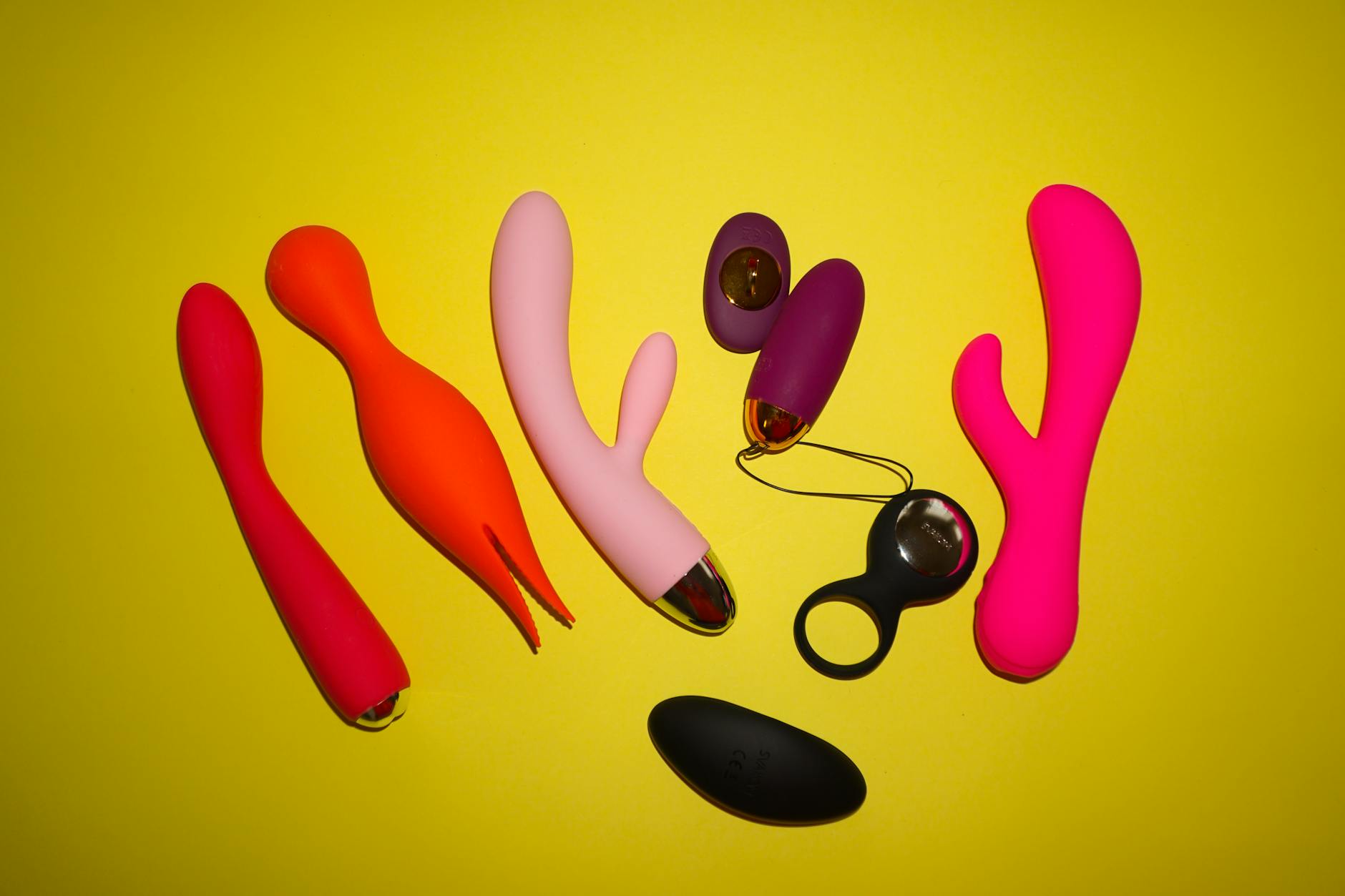
Let's be real about antidepressants and sex
Your brain chemistry improves. Your mood stabilizes. You sleep better. And then you try to have an orgasm and it feels like you're reaching for something underwater. Antidepressants work, but for about 60% of people taking SSRIs or SNRIs, they also flatten sensation, delay orgasm, or kill desire entirely. Nobody warns you about this trade-off when you start medication.
Here's the thing: you don't have to choose between mental health and pleasure. A lemon vibrator is a practical tool that amplifies sensation enough to break through that numbness and help you climax again.
How antidepressants change sensation
SSRIs (like sertraline, paroxetine, fluoxetine) and SNRIs (like venlafaxine) work by increasing serotonin in your brain. That's good for mood. But serotonin also regulates sexual response. Higher serotonin can mean lower dopamine signals in the pleasure centers. Your genital tissue still has nerve endings, but the electrical signal between those nerves and your brain gets quieter.
It's not psychological. It's not that you don't want to. Your body is literally getting a muted message.
This typically happens within days to weeks of starting medication, and it doesn't always resolve on its own. Some people adjust after three months. Others stay numb for as long as they take the medication. Switching drugs or lowering dose might help, but it might also mean your depression comes back. That's why you need a tool that works within the constraint, not a solution that asks you to choose between mental health and sex.
Why a lemon vibrator helps
A lemon clitoral vibrator uses air-pulse technology instead of traditional vibration. It creates suction and gentle stimulation that bypasses the need for raw sensation and instead works with the body's natural response to pressure and rhythm.
Three reasons it's particularly useful when on antidepressants:
It amplifies weak signals. When medication mutes sensation, you need stronger stimulation. Not necessarily faster or harder, but different. Air-pulse suction stimulates nerves in a way that cuts through the numbness more effectively than a standard vibrator.
It requires less clitoral sensitivity. People on SSRIs often find their clitoris feels numb or oversensitive at the same time, which is annoying. A lemon vibrator's suction works on the entire vulva and clitoral area without needing direct pressure, so you can start gentler and still feel something.
It creates predictable rhythm. Depression medication can make orgasm harder to reach, but not impossible. The consistent, patterned stimulation from a lemon suction toy gives your brain and body something steady to track, which helps.
How to start using a lemon vibrator on antidepressants
Don't assume your first experience will match what you felt before medication. Adjust your expectations and your approach.
Start with lubricant, always. Antidepressants often reduce natural lubrication as a side effect. Water-based lube isn't optional here. It reduces friction, makes the suction feel smoother, and actually helps the sensation register more clearly. Apply it generously.
Begin at the lowest intensity. On a lemon vibrator, that might be patterns 1 or 2. Your goal isn't intensity yet. It's sensation. Spend 5-10 minutes just feeling what each pattern does. Notice which one feels different from nothing.
Give it 15-20 minutes minimum. Antidepressants slow your arousal response. What used to take 5 minutes might take 15. That's not failure. That's just the new timeline. Carve out time without pressure to reach anything.
Position matters more. The suction works best when you're angled so the toy sits directly against your clitoris, not at an angle. Lying on your back with a pillow under your hips works for many people. Experiment to find your angle.
Track what actually works. Keep a note on your phone. Which pattern felt best? Did you last longer when you used lube? Did it take 20 minutes or 35? This isn't clinical data. It's your pleasure map. Your brain and body on this medication are specific to you.
The mental part matters as much as the physical
Antidepressants create a psychological layer on top of the physical one. You might feel broken. You might worry your partner sees you as less sexy now. You might blame yourself for not being able to orgasm. That shame is usually louder than the numbness itself.
Using a lemon vibrator is proof you're not broken. It's proof the sensation is still there, just muted. That distinction is huge for your confidence.
If you're with a partner, the conversation isn't "I can't feel you anymore." It's "My medication changed my timeline. This tool helps me feel pleasure again, and it doesn't mean anything is wrong with you or us." Different conversation entirely. How to use a lemon vibrator with your partner without awkward conversations has more specifics if you need them.
When to talk to your doctor
If the numbness is severe or gets worse over time, mention it at your next appointment. You have options:
Switching to a different antidepressant. Bupropion and mirtazapine tend to have fewer sexual side effects than SSRIs. Switching takes time and isn't always effective, but it's worth asking about.
Adding a medication to counteract the side effect. Buspirone or sildenafil are sometimes prescribed alongside antidepressants to restore sexual response. These are real solutions, not workarounds.
Adjusting dose or timing. Taking your medication at night instead of morning, or lowering dose slightly, sometimes helps. But don't do this without talking to your doctor first.
The key is being honest. Your psychiatrist or GP has heard this before. They want you to stay on medication that works for your mental health and feel pleasure. Those aren't contradictory goals.
Using a lemon vibrator for specific antidepressant challenges
Delayed orgasm. If you can orgasm but it takes 45 minutes instead of 10, the issue is speed, not sensation. Use a lemon vibrator at pattern 3 or 4 and build toward it. Don't rush. The orgasm will come, it just has a different tempo now.
Complete numbness. If you feel nothing even with a lemon vibrator, that's worth mentioning to your doctor. It might mean your dose is too high or this particular medication isn't right for you. A lemon clitoral vibrator is helpful, but it's not a magic fix for severe numbness.
Loss of desire. Numbness and low desire are different. If you have no interest in sex at all, a toy won't help you want sex. That's also something to discuss with your doctor, because it's often treatable separately from the numbness.
The bigger picture
Antidepressants save lives. They also have side effects that matter. Using a lemon vibrator isn't about being dramatic or demanding constant pleasure. It's about refusing to accept that you have to choose between mental health and a sex life. You don't.
Your body works differently on this medication than it did before. A lemon suction vibrator is a tool that works with that difference, not against it. That's not settling. That's adaptation, and adaptation is where pleasure lives now.
People also ask
Can I use a lemon vibrator if I'm on multiple antidepressants?
Yes, absolutely. The more medication affecting your system, the more likely you'll need a stronger tool, which is what a lemon suction vibrator provides. The principles stay the same: lube, low starting intensity, longer timeline, and patience.
How long before a lemon vibrator helps me feel sensation again?
Some people feel a difference the first time. Others notice it building over several uses as their nervous system gets used to the sensation. Give it at least three full sessions before deciding if it's working for you. And remember that "working" might not mean feeling the same as before medication. It means feeling something real.
Does a lemon vibrator work better than other toys when on antidepressants?
For most people, yes. The air-pulse suction stimulates differently than vibration alone, and that difference often cuts through medication numbness more effectively. That said, everyone's nervous system is different. Some people find success with a wand vibrator or a lemon vibrator paired with other toys. Experiment and trust what your body tells you.
Should I tell my partner I'm using a lemon vibrator because of sexual side effects?
That depends on your relationship. If you share a bedroom or a sex life, honesty helps. You don't need to frame it as a problem with them. It's about your medication and your pleasure. Something like, "My antidepressant is making orgasm harder. I'm trying this tool to help." That's clarity without drama.
Can I use a lemon suction toy with my antidepressant medication at different times of day?
Your medication timing doesn't directly affect when you can use a vibrator. But if your medication makes you drowsy, using your toy when you're alert might give you better results. Afternoon or evening, when the medication has settled into your system, often works better than morning when you might feel foggy.
What if a lemon vibrator still doesn't help me feel sensation?
Then it's time for a real conversation with your doctor. A lemon clitoral vibrator is a powerful tool, but if even air-pulse suction isn't cutting through, the numbness is severe. That's information worth sharing. It might mean switching medications, adjusting dose, or adding something else. Don't suffer through it alone. There are solutions.
The takeaway
Antidepressants change your body's pleasure response. That's real and it matters. A lemon vibrator is a practical, effective tool that helps you feel sensation again without asking you to choose between mental health and sex. Start low, use lube, give yourself time, and notice what actually feels good. Your pleasure is worth protecting.