Let's start with the uncomfortable truth
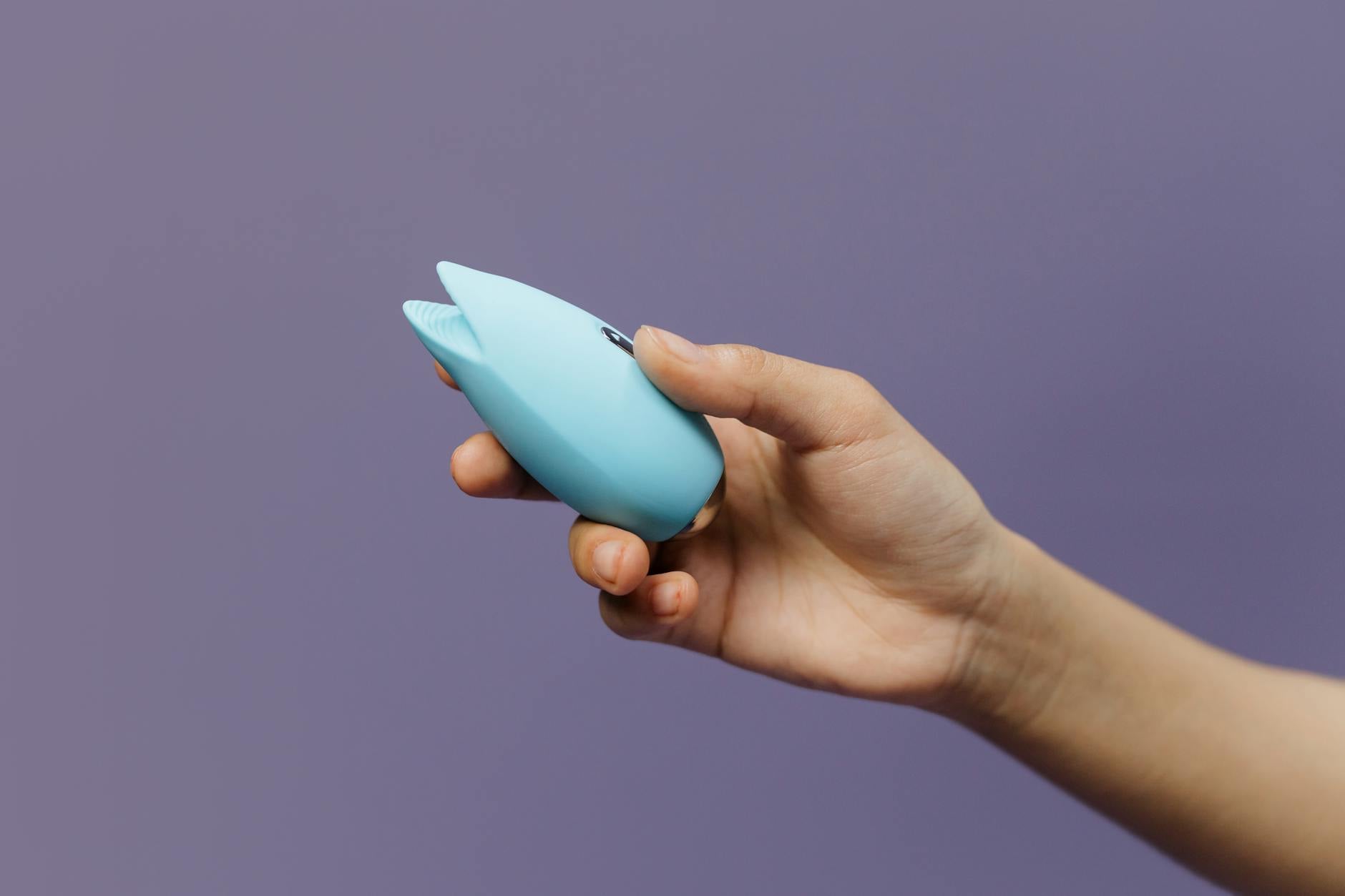
When you shift from a monogamous to a non-monogamous relationship structure, your body doesn't immediately recalibrate. But your nervous system does. And that changes everything about how pleasure feels, including how something like a lemon clitoral vibrator lands on your skin.
I've worked with dozens of couples navigating this transition. What most of them don't expect is that their solo pleasure changes first. Long before the emotional landscape settles, the physical one shifts.
What actually changes neurologically
Monogamy and non-monogamy activate different threat-detection systems in your brain. In a traditional monogamous relationship, there's a specific framework. You have defined boundaries, clear ownership, a predictable hierarchy of intimacy. Your nervous system knows the rules.
When you move to non-monogamy, that framework dissolves. Suddenly you're managing multiple relationships, renegotiating boundaries constantly, processing the presence of other partners in a way that monogamy never asks you to do. Your brain is working overtime.
Here's what matters for pleasure: arousal requires safety. Your parasympathetic nervous system (the one that handles rest, digestion, and sexual response) can't fully activate if your sympathetic nervous system (fight-or-flight) is humming in the background. Even if you're intellectually enthusiastic about non-monogamy, your body might be running a different program.
This shows up as:
- Difficulty reaching orgasm solo
- Sensation feeling muted or distant
- Needing longer warm-up time than before
- Physical touch feeling less integrated (like you're experiencing it but not quite feeling it)
These aren't signs of failure. They're signs of adjustment.
The paradox of increased pleasure
Here's where it gets interesting. About 60% of the people I work with report that once they move through the initial adjustment phase, their pleasure actually intensifies. Not just their physical sensation, but their capacity for it.
Why? A few overlapping reasons.
Freedom from performance pressure. Monogamous structures often come with invisible performance expectations, especially for people with vulvas. There's an assumption that you should want sex at a certain frequency, reach orgasm at a certain pace, find pleasure in a certain way. When you move to non-monogamy, you're already breaking the dominant sexual script. That crack opens space to break other scripts too.
Clearer knowledge of what you want. Non-monogamy demands explicit communication. You can't coast on assumptions. You have to say what you like, what you don't like, what you're exploring. That clarity follows you into solo pleasure. Suddenly you know yourself better.
Reduced scarcity thinking. In monogamous relationships, your partner becomes your only sexual outlet. There's a subtle (or not subtle) pressure around that. In non-monogamous structures, no single person carries the full weight of your sexuality. That paradoxically makes solo pleasure feel lighter and richer.
How this shows up with lemon vibrators specifically
The lemon clitoral vibrator works through suction stimulation, which requires a different kind of body presence than friction or pressure. You can't use it on autopilot.
During the adjustment phase of non-monogamy, people often find that suction-based stimulation feels either intensely overwhelming or strangely distant. This is your nervous system telling you something.
If it feels overwhelming: your threat-detection is still high. You're hypersensitive. Dial back the intensity. Start at pattern 1 or 2 on the Hello Nancy lemon vibrator. The goal isn't orgasm. It's presence.
If it feels distant: your nervous system is dissociating slightly. You're touching yourself but not feeling fully connected to the sensation. This often correlates with partners who are processing emotional complexity around non-monogamy. Again, lower intensity, but this time add a grounding element. A hand on your heart. Eyes open instead of closed. Attention to breath.
Both are temporary. Both are information.
The jealousy and arousal connection (that nobody talks about)
Let me be direct: jealousy can absolutely tank pleasure. Not because jealousy is bad or wrong (it's not, it's just a feeling that needs processing), but because chronic low-level jealousy keeps your nervous system partially activated. Your body is running a very subtle anxiety program.
When that gets resolved (through conversation, boundary adjustment, or time), pleasure often rebounds hard. Some people find themselves newly responsive to touch after processing jealousy. The body releases what it was holding.
This is where solo pleasure practices with a lemon vibrator become genuinely therapeutic. You're not just having an orgasm. You're rebuilding trust in your own nervous system. You're learning what safety feels like in a new relationship configuration. You're practicing the parasympathetic activation that non-monogamous relationships require.
Communication patterns that matter
If you're in a non-monogamous structure and your pleasure has changed, the most useful conversation isn't about the vibrator or the orgasm. It's about what else shifted in your life when the relationship structure shifted.
Are you more anxious? More stimulated? More exhausted? Working harder to manage emotions? All of these show up in your body before they show up in your conscious mind.
Talk to your partner or partners about what you're noticing. Not as a problem to solve, but as information to integrate. "My body feels different since we opened up" is a real data point. It doesn't mean non-monogamy is wrong for you. It means you're adjusting.
The solo pleasure practice that helps most
Honestly though? The single most useful thing I recommend to people navigating this is a regular solo pleasure practice that isn't goal-oriented.
Two to three times per week, spend 20 minutes exploring what feels good right now. Not what used to feel good. Not what should feel good. What actually does. Bring your lemon clitoral vibrator or whatever tool matches your mood that day.
Notice what patterns feel good. Notice what speeds, pressures, and rhythms match your nervous system in this moment. Notice whether you're more responsive when your mind is clear or busy. Notice what time of day changes things. You're building a new map of your own pleasure in this new relationship structure.
That practice is so much more valuable than any specific technique because you're teaching your nervous system that pleasure is still available, even if the framework changed.
When to bring partners into this
You don't have to. Solo pleasure is solo for a reason. But if you want to, here's what I've seen work best:
Wait until you feel stable in your own pleasure again. Don't invite a partner into the exploration while you're still figuring out your own nervous system. Once you know what feels good, once you've rebuilt some trust in your sensation, then it's much easier to share that.
When you do, lead with what you've learned about yourself, not what you want your partner to do. "I've noticed my body needs longer warm-up right now" is different from "you're not touching me the right way." One is about self-knowledge. One is blame.
The lemon vibrator or any clitoral vibrator can be a beautiful way to explore shared pleasure once you've reestablished the relationship with your own sensation. But it works best when the person using it knows what they want first.
FAQ
Does opening a monogamous relationship always affect sexual pleasure?
Not always, but often temporarily. Some people feel more pleasure immediately because a monogamous structure was restrictive for them. Others need an adjustment period. Both responses are completely normal. The key is noticing what's true for your body without judging it.
Can lemon vibrators help during the adjustment phase?
Yes, but not as a performance tool. They're useful as a nervous system reset. The suction sensation can help ground you in your body after a day of managing complex emotions. Use them to reconnect with sensation, not to achieve a specific outcome.
What if my pleasure stays different after a year of non-monogamy?
Then that's your new pleasure. Not every change during relationship transition reverts. Sometimes you discover that what works for you has genuinely shifted. That's worth honoring, not fighting. It might mean your pleasure needs have changed, or it might mean the relationship structure still isn't quite right. Both are important information.
Should I tell my partners how my pleasure has changed?
If it affects shared sexuality, yes. Not because you need their permission or validation, but because they're affected too. A simple "My body is recalibrating and I'm exploring what feels good in this new space" gives context. It prevents them from assuming something is wrong with the relationship when something is just happening in your nervous system.
Is it normal to feel both excited and anxious about non-monogamous pleasure?
Completely normal. You can be enthusiastically non-monogamous and also have a nervous system that's processing change. These aren't contradictions. Your mind and body are sometimes on different timelines. That's just human.
Can I use a lemon clitoral vibrator differently in a non-monogamous relationship?
Yes. Some people find that exploration feels more playful. Some find it feels more grounding. Some use it as a way to prepare for partnered pleasure. The tool doesn't change, but your relationship to it might. That's not wrong. That's deepening.
What happens next
Non-monogamy isn't a final destination. It's a framework that keeps asking you to show up and communicate. Your pleasure changes because you're changing. The lemon vibrator, the hello nancy clitoral vibrator, any tool you use, is just feedback from your nervous system.
Listen to that feedback. It's accurate. It's telling you exactly what you need to know about how you're adjusting. Then move forward from there.
If you're struggling with this transition and want deeper support, I'm here to help. Get in touch about relationship coaching or just to talk through what you're noticing in your body. You don't have to figure this out alone.