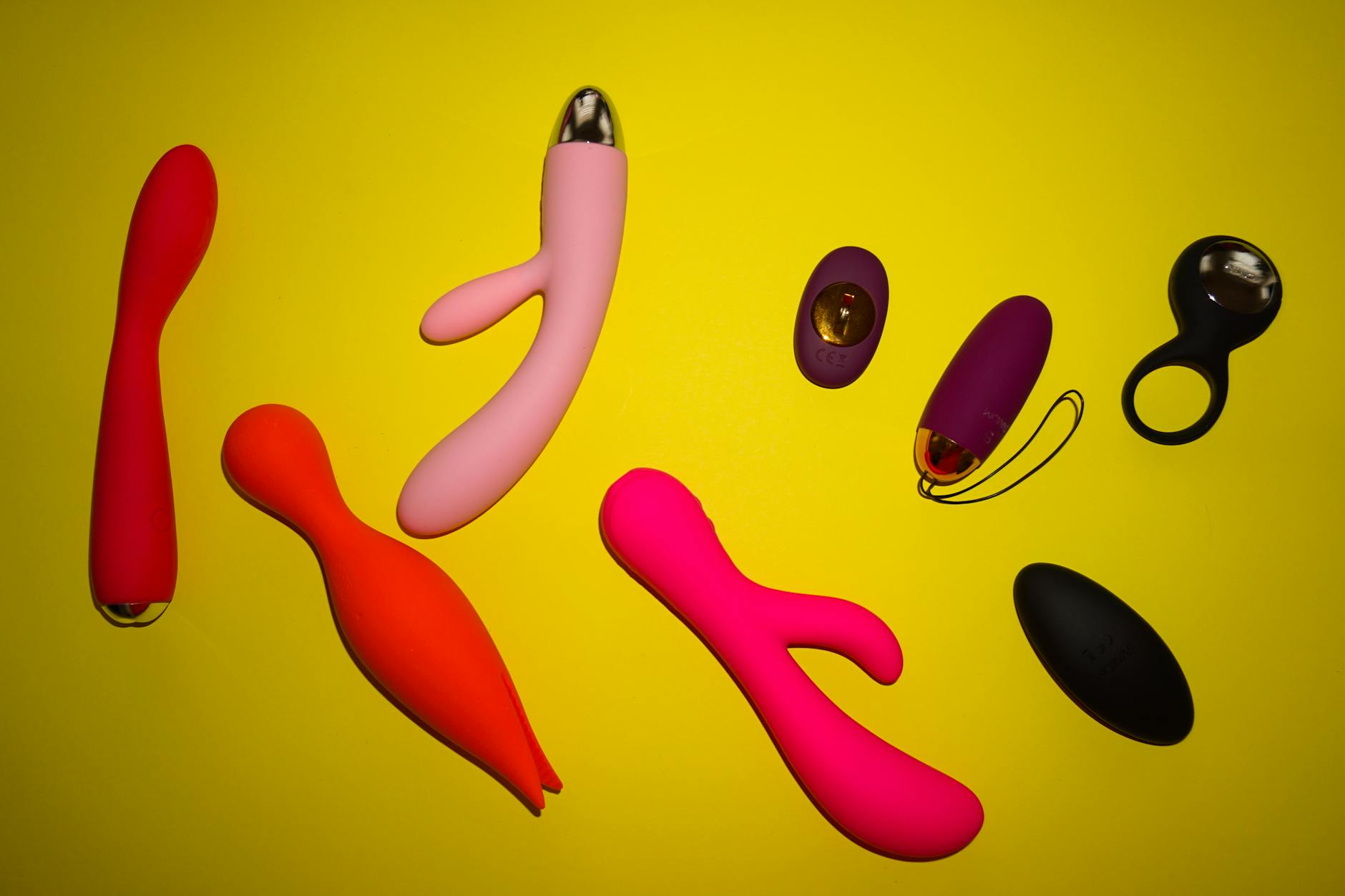
Let's talk about why your wand leaves you numb
If you've ever felt your clit go from "yes, more" to "I literally can't feel anything down there anymore" in about ninety seconds, you already know the problem. Direct-contact vibrators like wands deliver sensation through friction and rapid oscillation hitting the same nerve endings over and over. After a while, those nerves stop firing. It's called sensory adaptation, and it's not a sign you're broken. It's how all nerve endings work.
The problem gets worse if you're naturally sensitive. People with more reactive clitoral tissue often hit that numbness wall even faster, which then creates a feedback loop: numb, so you turn it up. Turn it up, it gets more numb. Eventually you're maxed out and feeling nothing.
Lemon clitoral vibrators work differently. They use suction instead.
How suction changes the game
A lemon vibrator creates a seal over the clitoral area and uses gentle pulse-wave suction to stimulate the tissue. Instead of the back-and-forth friction of a wand, you get rhythmic compression and release. This engages a completely different set of nerve fibers.
Think of it this way: a wand is like tapping the same spot repeatedly with a pencil. A lemon clitoral vibrator is like a sustained squeeze followed by release. One fatigues the nerve quickly. The other activates deeper sensory pathways that don't adapt as fast.
That's why people with sensitive clits often report that lemon vibrators feel intense without feeling raw. The intensity is real. The numbness doesn't follow.
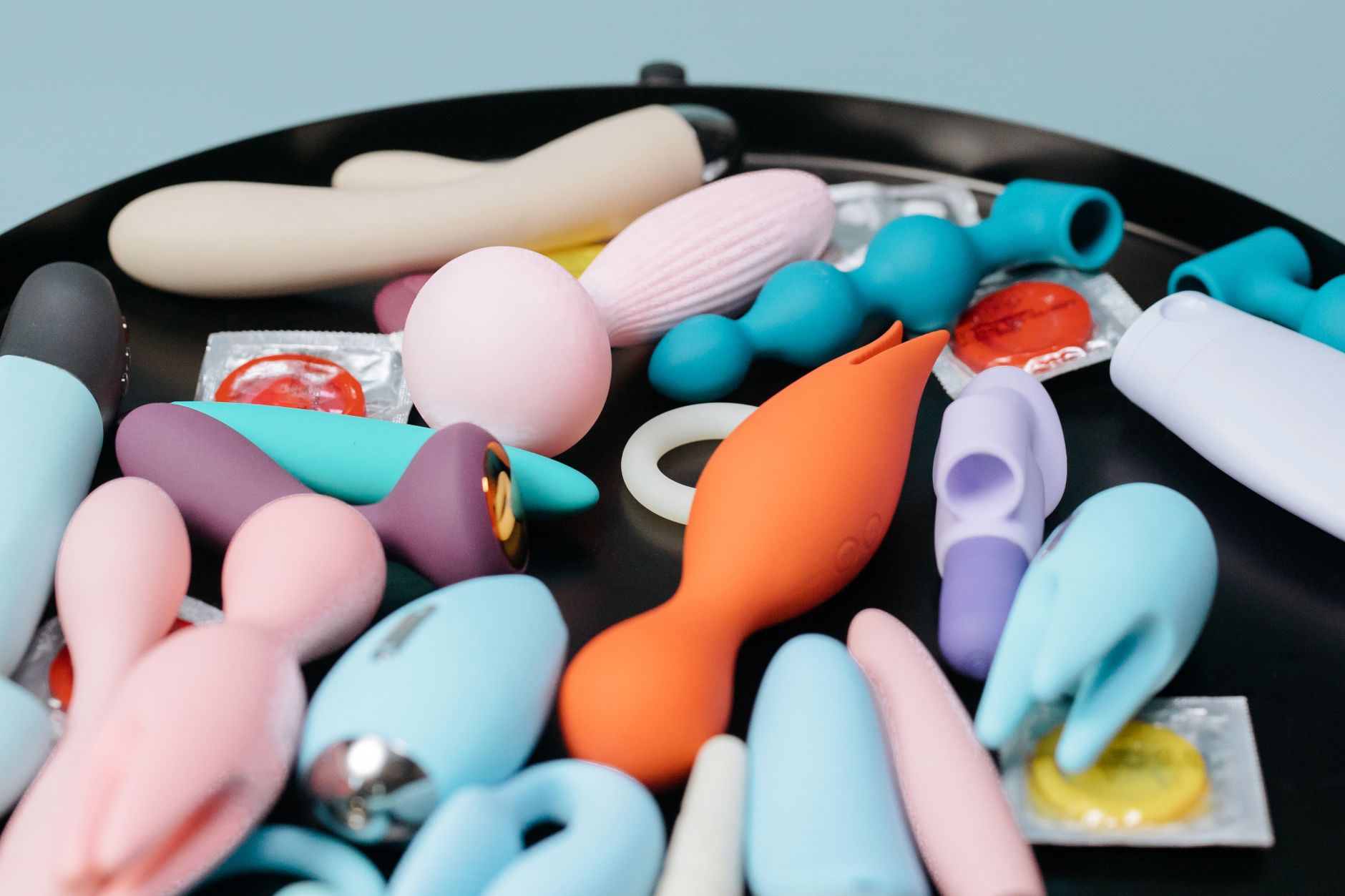
Photo by cottonbro studio on Pexels
The sensitivity sweet spot
If you've got a sensitive clit, there's usually a narrow window between "not enough" and "too much." Too many toys live outside that window. Wands push too hard. Bullets are often too weak. Suction-based lemon vibrators tend to sit right in the middle of that sweet spot, especially at lower intensity settings.
Most lemon clitoral vibrators have 5-10 different patterns and intensity levels. You can start at pattern 1 or 2, which gives you that satisfying stimulation without the sense that your nerve endings are being worn smooth. If you need more, you can work your way up. But here's the key: you're usually not maxed out at level 3. That means you have room to play.
This matters for sustained pleasure. If you hit peak numbness halfway through, the whole thing stops working. If you can stay in that responsive range the whole time, orgasms can feel deeper and more textured.
Why direct contact vibration numbs faster
The clitoris has roughly 8,000 nerve endings, most of them clustered at the tip. A wand head is typically larger than that area, so it's usually vibrating the whole vulva. But the intensity is concentrated, and it's direct.
When you apply sustained, high-frequency vibration directly to nerve endings, they downregulate. The nerve stops firing at the same rate. You need more stimulus to get the same response. This is why people often feel like they're "broken" after using a wand for a while. They're not. They're just experiencing normal neurological fatigue.
Suction distributes stimulation differently. It's still focused on the clitoris, but the sensation comes from compression rather than oscillation. The nerve adaptation response is slower. People who switch from wands to lemon vibrators often notice they can have longer sessions, multiple orgasms in one session, and more sensitivity afterward instead of less.
How to transition if you've been using a wand
If a wand has been your main toy and you want to try a lemon clitoral vibrator, you'll need a reset period. Not weeks long. Usually a few days to a week without any direct clitoral stimulation lets those nerve endings recover their sensitivity.
Then start low. A common mistake is assuming lemon vibrators work best on high settings because they feel different. Actually, they often feel most efficient at medium settings. If you're coming from wand culture, you might find level 3 on a lemon vibrator more intense than level 10 on a bullet. That's the suction doing its job.
Lubricant helps too. Water-based lube creates a better seal and lets the suction work more smoothly. This sounds like it might reduce sensation, but it actually increases it because the vibrator isn't fighting friction.
Sensitivity, age, and lemon vibrators
Sensitivity changes as hormone levels shift. People on hormonal birth control often report different sensitivity than those off it. People as they approach or move through menopause often experience decreased tissue thickness, which can make direct vibration feel either too intense or oddly numb.
Here's where lemon vibrators have another edge: suction doesn't rely on tissue thickness the same way. A wand needs enough tissue to vibrate against. Suction works with thinner tissue too. If you've noticed that wands feel worse or less responsive as your body changes, lemon clitoral vibrators often feel better.
When direct vibration still has a place
This isn't a "wands are bad" argument. Some people prefer direct vibration. Some prefer it at certain parts of their cycle. Some like combining both: starting with suction to build sensation, then adding direct contact for the final push.
The point is that if you've assumed you're just someone with a low tolerance for vibration, you might not be. You might just be someone whose clit responds better to suction than friction. That's not a problem to solve. That's preference information.
Once you know your preference, you can actually enjoy toys instead of fighting them.
Pressure, patterns, and finding what clicks
Beyond the basic suction mechanism, lemon vibrators often offer more variation in pattern than wands. A wand typically has a few intensity levels and maybe one or two patterns. A lemon clitoral vibrator might offer wave, pulse, suck, flutter, or custom patterns.
Some of these patterns feel closer to direct vibration. Others feel completely different. If you're sensitive and numbness has been your issue, the pulsing and sucking patterns usually work better than the continuous ones. They give your nerve endings micro-breaks.
This is worth experimenting with. The best pattern for you might not be the one that feels most intense in the first thirty seconds. It might be the one that still feels great five minutes in.
Building a routine that respects your sensitivity
If you've been avoiding toys because of sensitivity issues, lemon vibrators are worth a real try. But treat it like you're learning something new, not going back to something old. That means:
Start with a clean slate. Let your nerve endings reset if you need to.
Begin at lower intensities. You can always turn it up.
Experiment with patterns. Suction-based toys offer more variety.
Use lubricant. It's not a crutch. It's how the toy is designed to work best.
Give it a few sessions. Sensitivity can take a few tries to fully translate to the new tool.
Your pleasure isn't broken because a wand stopped working. You just needed a different tool.
People also ask
Why does my clit feel numb after using a vibrator?
Sensory adaptation. When you apply sustained, high-frequency vibration directly to nerve endings, they downregulate their response after a few minutes. This is normal neurology, not a sign of damage or dysfunction. It happens faster with toys that use direct contact and oscillation (like wands and bullets) and more slowly with suction-based toys (like lemon clitoral vibrators). Taking a break for a few days lets your nerve endings reset.
Can lemon vibrators cause numbness?
Not usually, unless you're using them at very high intensities for long sessions daily. Because they rely on suction rather than direct friction, sensory adaptation happens more slowly. Most people find they can use a lemon clitoral vibrator for longer without feeling the numbing sensation that wands create.
Are lemon vibrators good for sensitive clits?
Yes, for most people. Because suction activates a different set of nerve pathways than direct vibration, people with sensitive clitoral tissue often find lemon vibrators more comfortable and longer-lasting than traditional vibrators. Starting at a lower intensity setting and using water-based lubricant helps maximize comfort.
How is a lemon suction vibrator different from a regular vibrator?
A regular vibrator (wand, bullet) delivers stimulation through rapid oscillation and direct contact. A lemon suction vibrator creates a seal and uses pulse-wave suction to compress and release the tissue rhythmically. The sensation is different because it engages different nerve pathways. Suction-based toys tend to produce less sensory adaptation, meaning you stay responsive longer.
What intensity should I use on a lemon clitoral vibrator if I'm sensitive?
Start at level 1 or 2, which feels more intense on a lemon vibrator than the equivalent on a wand because of how suction works. Most sensitive users find they're comfortable between levels 2-5. The pulsing and wave patterns tend to feel less intense than continuous suction, so try those first.
How long does it take to adjust from a wand to a lemon vibrator?
Most people adjust within 3-5 uses, though recovery from wand-induced numbness can take a few days. If your clit feels numb from regular vibrator use, taking 5-7 days off gives your nerve endings time to reset their sensitivity. Then the transition to a lemon clitoral vibrator feels more obvious and more rewarding.
The takeaway
If sensitive clits and numbness have made pleasure feel like a chore instead of, well, pleasure, you might not have a sensitivity problem. You might have a mismatch problem. Your nervous system might respond better to suction than friction. That's not something to fix. That's something to act on.
Lemon clitoral vibrators exist because they work differently. Once you find the right tool for your body, the whole thing gets easier. Want to explore what works for you? Reach out to us at Hello Nancy and we can help you figure out which toy might feel best.
References and sources
Baker, R., & Symonds, T. (2011). The sexual function, satisfaction, and quality of life in women with vulvodynia and the impact of a multidisciplinary vulvodynia clinic. The Journal of Sexual Medicine, 8(7), 1835-1841.
Levin, R. J. (2003). The physiology of sexual arousal in the female. In I. Goldstein et al. (Eds.), Women's sexual function and dysfunction: Study, diagnosis and treatment (pp. 227-234). Taylor & Francis.
Nasserzadeh, S., & Welton, A. (2021). Vibration perception and sensory adaptation in the genital tissue: A systematic review. Archives of Sexual Behavior, 50(8), 3429-3441.