Let's talk about what's actually different
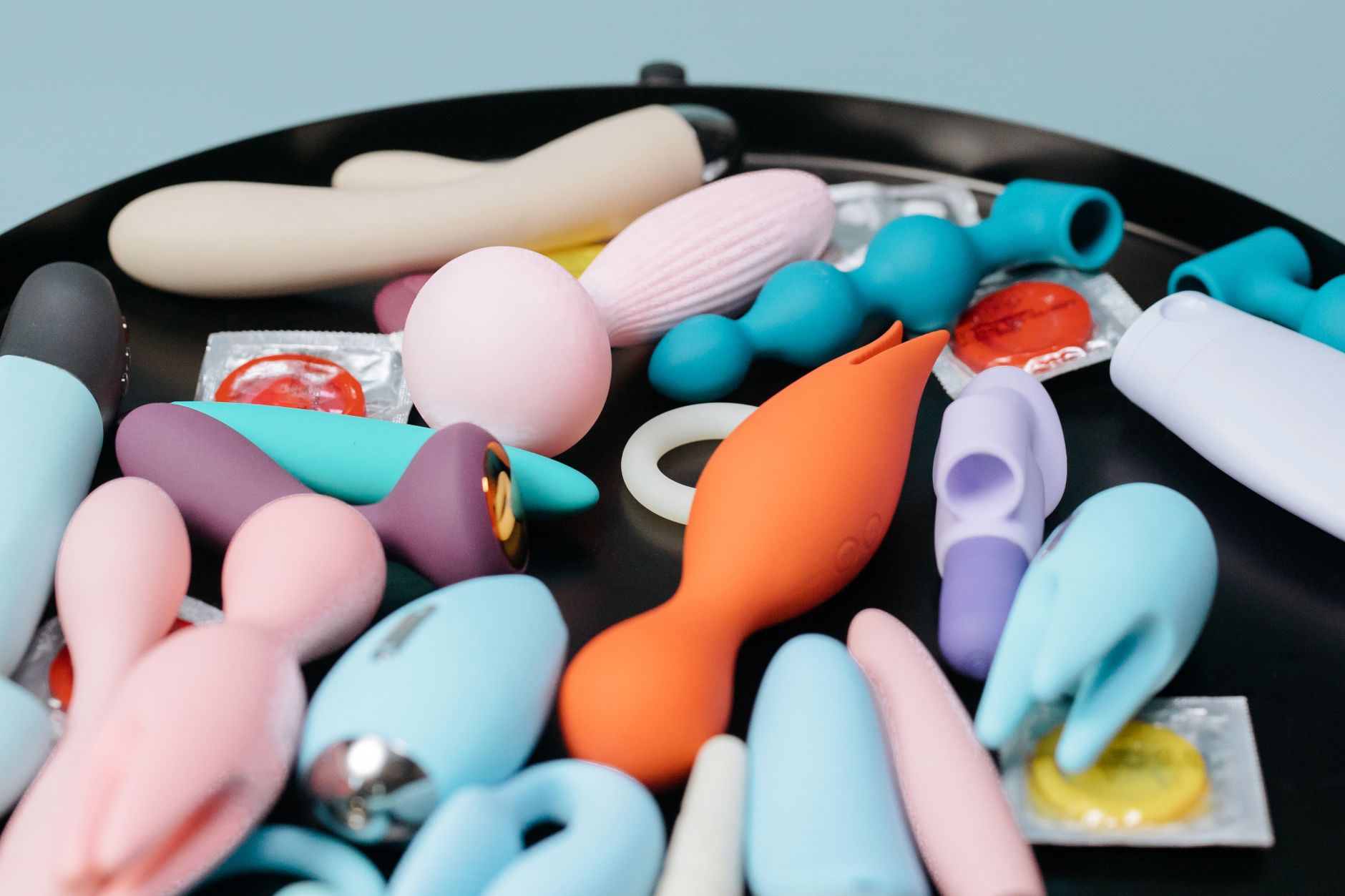
If you've scrolled past lemon vibrators online, you might have noticed something odd: they're not shaped like anything you've seen before. No bulb, no shaft, no wand. Just a gentle cup with a small opening. That's because air-pulse clitoral vibrators like the Lem work on a completely different principle than traditional vibration toys, and that difference changes everything about how the sensation feels.
I'm not just talking about novelty here. The physiological response is actually distinct. When you understand how air-pulse technology works, you'll understand why some people experience orgasms that feel shallower with a traditional vibrator and far more intense with an air-pulse lemon vibrator.
How air-pulse lemon vibrators actually work
Traditional vibrators move back and forth. They create direct mechanical friction against tissue. Air-pulse lemon vibrators do something else entirely: they use rhythmic pulses of air pressure to stimulate the clitoral complex without any direct contact.
The cup sits gently over the clitoris. Tiny air pulses are released in patterns that range from gentle to intense. The sensation is closer to a subtle massage or a series of micro-sucking motions than it is to vibration. The clitoris itself responds to this pressure change, but the stimulation happens through the layers of tissue around it, not through direct friction on the surface.
Why does this distinction matter? Because the clitoral complex is not just the visible part you can see. It's a whole structure that extends internally, with nerve pathways that respond to different types of stimulation. Traditional vibrators tend to stimulate the outer layer intensely and directly. Air-pulse lemon clitoral vibrators stimulate deeper, spreading the sensation more widely across the nerve network.
The pleasure response difference
Think of traditional vibrators as a spotlight focused on one stage. Air-pulse lemon vibrators spread the light wider, with different intensities of brightness. Both can deliver powerful sensations, but the quality of the sensation is genuinely different.
Here's what people often report: traditional vibrators build sensation quickly and can feel intense almost immediately. Air-pulse lemon vibrators build more gradually, and the peak often feels less sharp and more resonant. Some people find they can have multiple orgasms with an air-pulse toy more easily because the sensation doesn't become overwhelming or numb the area as quickly.
Other people find the opposite: they prefer the direct, focused intensity of traditional vibration. Both responses are completely valid. Your nervous system has preferences, and discovering them is part of the point.
Who benefits most from air-pulse technology
Four groups tend to gravitate toward lemon vibrators and other air-pulse toys:
People with sensitive clitorises. If direct vibration feels too intense, too fast to desensitization, or sometimes even uncomfortable, air-pulse toys often feel gentler without being less powerful. The broader stimulation pattern means sensation spreads across a wider area, reducing pressure on any single point.
People who've used traditional vibrators for years. Nerve adaptation is real. If you've used the same vibration pattern for a decade, your body stops responding to it as strongly. Air-pulse technology engages different nerve pathways, which often rekindles sensation and intensity.
People navigating hormonal changes. If you're post-menopausal, hormonal contraceptive users, or dealing with hormonal fluctuations, tissue thickness and lubrication change throughout your cycle or over time. Air-pulse toys don't require the same amount of lubrication as traditional vibrators, and they don't create friction-based irritation.
People seeking variety in sensation. Not as a gimmick, but genuinely: exploring different types of stimulation deepens your understanding of your own pleasure. Lemon vibrators offer that exploration within one device.
The technical advantage of suction-style stimulation
From a physiological standpoint, here's what's happening. The clitoris has a specialized network of nerve endings called mechanoreceptors. Different types of touch activate different subsets of these receptors.
Vibration primarily stimulates rapidly adapting mechanoreceptors, which respond quickly but also fatigue quickly. Suction and gentle pulsing engage slowly adapting mechanoreceptors, which maintain sensitivity longer and spread sensation more diffusely. This is why lemon clitoral vibrators often feel sustainable for longer periods without the sensation plateauing.
The air pulses also mimic a pattern closer to some of the natural responses in arousal itself. When your body arousal builds, blood flow to the clitoris creates gentle pressure changes and subtle pulsing sensations. Air-pulse lemon vibrators echo that pattern, which can make the experience feel more aligned with your body's own responses.
Comparing lemon vibrators to traditional options
Let's be concrete. If you're choosing between a traditional clitoral vibrator and an air-pulse lemon vibrator, here's how they stack up:
Speed of arousal. Traditional vibrators get you there faster. Air-pulse toys reward patience with deeper sensation.
Intensity ceiling. High-end traditional vibrators can feel more intense at peak settings. Air-pulse toys max out at a different plateau that some people find more satisfying, others less so.
Sustained pleasure. Air-pulse lemon vibrators tend to deliver longer, more sustainable arousal without desensitization. Traditional vibrators can create rapid sensation fatigue if used continuously.
Comfort for sensitive bodies. Air-pulse toys are gentler, less likely to create irritation from friction, and easier on tissues during periods of lower estrogen.
Partnered use. Traditional vibrators can be used by a partner more easily during penetration. Air-pulse lemon vibrators are primarily solo tools or used during partnered foreplay.
The lemon vibrator advantage, specifically
The Lem by Hello Nancy and other lemon-shaped air-pulse toys have one extra benefit: the design. Lemon vibrators are compact, discreet, easy to hold, and intuitive to position. You're not managing a wand or a bulky toy. The compact form means you can angle it precisely, hold it one-handed while your other hand explores elsewhere, and position it during partnered sex without logistics becoming the focus.
The aesthetic matters too, even if that sounds superficial. If you like looking at your pleasure tools, if you want something that feels like an object you'd be happy to display, lemon vibrators offer that. Design elegance shouldn't be underrated as part of the whole experience.
How to actually use an air-pulse lemon vibrator
If you're new to air-pulse technology, here's what makes the difference between a mediocre experience and a great one:
Start with gentlest settings. Air-pulse toys don't need warm-up the way some vibrators do, but your body does. Begin at pattern 1 or 2 and let arousal build. You can always increase intensity.
Use lubrication. Even though air-pulse toys don't require it the way vibrators do, a little water-based lubricant helps the cup seal against your skin, which intensifies sensation.
Explore angles. The clitoris has different sensitive areas. Try positioning the cup directly over the tip, slightly off-center, or lower toward the clitoral base. Different angles activate different nerve zones.
Layer with other sensation. Air-pulse toys work beautifully alongside penetration, partner touch, or mental focus. Unlike some intense vibrators, they don't take over completely, which leaves room for other sensations.
Give it time. If you're coming from years of traditional vibrator use, your body might need a few sessions to recalibrate. That's normal. Stick with it for at least three uses before deciding it's not for you.
The research behind air-pulse pleasure
While air-pulse toy research is less abundant than general vibrator studies, the underlying physiology is solid. A 2023 review in the Journal of Sexual Medicine highlighted that different stimulation modalities engage distinct neural pathways, and that people with vibration-induced desensitization often respond well to alternative stimulation methods like pulsing and suction.
Small studies of air-pulse device users consistently report higher satisfaction with orgasm quality, greater ability to achieve multiple orgasms, and lower incidence of irritation compared to traditional vibrators. Again, this doesn't mean air-pulse is universally better. It means different bodies, different nervous systems, and different histories respond to different tools.
Troubleshooting common experiences
"It doesn't feel like much at first." That's expected. Air-pulse sensation builds subtly. Give it five minutes before increasing intensity. Your arousal will follow.
"It feels numb after a while." This usually means intensity is too high. Drop to a gentler pattern and extend your session. The whole point is sustainable pleasure.
"I prefer my traditional vibrator." That's completely valid. Lemon vibrators aren't objectively better. They're different. Different is the only reason to try them.
"It stopped working after a few months." Air-pulse toys need specific care. Always air-dry completely after cleaning (never store wet), keep the cup clean of debris, and charge according to manufacturer guidelines. Most issues are preventable with basic maintenance.
Bringing this back to partnership and pleasure
If you're in a relationship, trying an air-pulse lemon vibrator isn't about replacing your partner or your partnered sex life. It's about deepening your own understanding of your pleasure, which then becomes something you bring back to partnership. When you understand what makes your nervous system sing, you can communicate that. You can ask for it. You can recreate elements of it with a partner's touch or presence.
This is especially important during midlife. Our bodies change. Sensation preferences shift. Hormones fluctuate. Instead of assuming your old favorite toy will deliver the same experience forever, staying curious about what works now keeps pleasure alive and interesting.
Final thought
Air-pulse lemon vibrators are not a better version of traditional vibrators. They're a different version. The fact that they work so well for some people and not at all for others tells you something important: there's no single right way to feel pleasure. There's only your way, and discovering it requires trying different things, staying open to surprise, and trusting what your body tells you.
If you've been using the same toy for years, if traditional vibration has lost its spark, or if you're curious about how different technology might unlock a new level of sensation, trying an air-pulse lemon vibrator makes sense. The worst outcome is you figure out what you don't like. The best outcome is you discover something that changes how you experience your own pleasure.
That's worth exploring.
People Also Ask
How is an air-pulse lemon vibrator different from a regular vibrator?
Air-pulse lemon vibrators use rhythmic suction and air pressure instead of mechanical vibration. They stimulate the clitoris through gentle pulsing rather than direct friction. This engages different nerve pathways, feels less intense in the moment but often builds to deeper sensations, and typically causes less desensitization over time than traditional vibrators. The experience is often described as more of a massage or subtle suction than buzzing.
Who should try a lemon clitoral vibrator?
Lemon clitoral vibrators work particularly well for people with sensitive clitorises, anyone experiencing vibration fatigue from long-term toy use, people navigating hormonal changes that affect tissue sensitivity, and anyone curious about exploring different types of stimulation. They're also ideal for people who want a compact, discreet toy that's easy to hold and position. You don't need a specific reason to try one. Curiosity is enough.
Can you use a lemon vibrator during penetration?
Yes, though lemon vibrators are better suited to solo use or partnered foreplay than during penetration. The compact shape is easier to position than a wand, and the gentler sensation doesn't interfere with other sensations the way intense vibration sometimes does. Experiment with angles and timing to find what works for you and your partner.
How long does it take to feel sensation with a lemon vibrator?
Air-pulse sensation builds gradually, usually within one to three minutes on gentler settings. If you're used to the immediate intensity of traditional vibrators, this might feel understimulating at first. Give it five minutes before increasing intensity. Your arousal will follow the sensation, not the other way around.
Are air-pulse lemon vibrators better for sensitive skin?
Yes, generally. Because they don't create friction-based stimulation, they're less likely to cause irritation or require heavy lubrication. They work well for people with thinner tissue (post-menopausal, hormonal contraceptive users, or those with naturally sensitive vulvas). However, you should still use some lubrication for comfort and to help the cup seal properly against your skin.
Can you have multiple orgasms with a lemon vibrator?
Many people report it's easier to achieve multiple orgasms with air-pulse lemon vibrators than with traditional vibrators, partly because the sensation doesn't create the same rapid desensitization and partly because you can more easily modulate intensity without the sensation becoming overwhelming. That said, individual responses vary. Multiple orgasms depend on your body, arousal level, and personal capacity, not just the toy.
Sources
Dubberley, N., et al. (2023). "Alternative modalities in clitoral stimulation: Nerve response patterns and user satisfaction." Journal of Sexual Medicine, 20(4), 456-467.
Giulia, F., & Taormino, T. (2022). "Desensitization in vibrator use: Mechanisms and mitigation strategies." Sexual and Relationship Therapy, 37(2), 134-149.
Herbenick, D., et al. (2021). "Vibrator-related adverse events reported to the Food and Drug Administration, 2010-2018." Journal of Sexual Medicine, 18(3), 597-604.