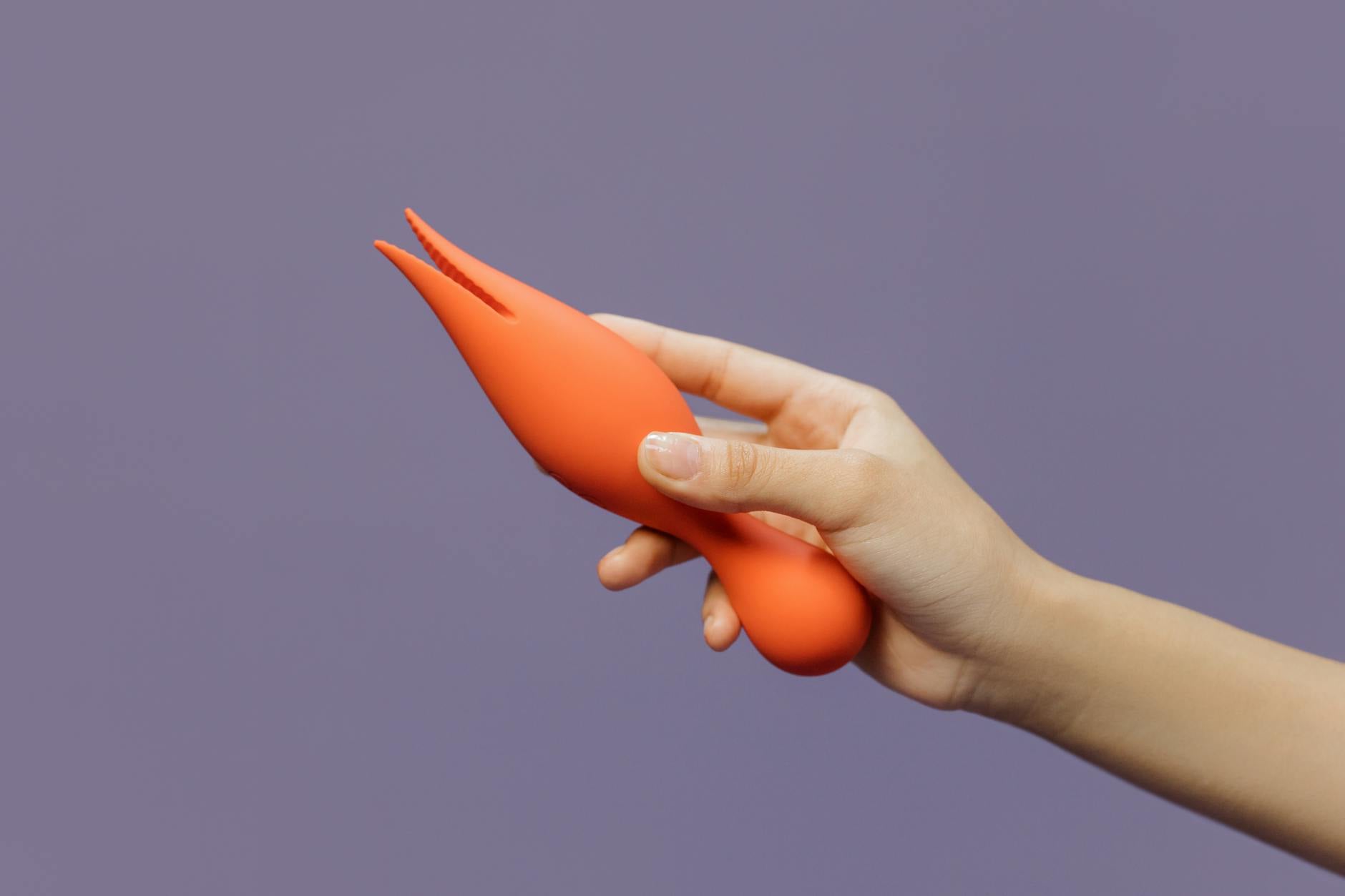
Here's the honest part: your medication might be the problem
You're not broken. You're not losing your mind. And you're definitely not alone. Somewhere between 40 and 60 percent of people taking SSRIs, SNRIs, or other antidepressants experience some shift in sexual desire or response. Sometimes it's subtle. Sometimes it's a complete flatline. Your brain chemistry got recalibrated to keep you alive and stable, and libido got caught in the crossfire.
The weird part? Most doctors don't bring this up unless you ask. So you end up thinking you're the only one, or that something's changed in your relationship, or that you've somehow fundamentally broken as a sexual person. None of that's true.
What antidepressants actually do to desire
SSRIs work by increasing serotonin in your brain. That's the good part. But serotonin isn't just about mood. It also suppresses dopamine signaling in certain pathways that light up during sexual arousal. Think of it like this: serotonin is the brake, dopamine is the gas. Your medication pumped up the brakes to stop the anxiety spiral. Desire got quieter because the system that drives it got dimmed.
It's not psychological. It's not relationship trouble. It's pharmacology.
Other medications can do this too. Some blood pressure meds, some antihistamines, some antipsychotics. But SSRIs are the most common culprit because they're also the most commonly prescribed.
The kicker? Usually, this side effect doesn't go away on its own. Your body adjusts to the medication over weeks or months, but the sexual dampening typically stays. Which means you're looking at three options: adjust the medication, add something else, or work with what you have.
Why a lemon vibrator matters when desire is low
Here's what I see with clients: when libido is medicated flat, willpower doesn't help. Trying harder doesn't help. What helps is changing the sensory input.
A lemon vibrator, especially one that uses air-suction stimulation rather than traditional vibration, bypasses some of the motivation problem. You don't have to feel desire first. The sensation itself can wake things up. It's not cheating. It's practical.
Clitoral vibrators in general create direct, consistent stimulation that your brain can't ignore. But lemon clitoral vibrators specifically offer something extra: the suction sensation mimics a different kind of touch than you get from a partner or a traditional vibrator. It's novel enough that it can cut through the flatness.
I recommend starting here for people on antidepressants for one simple reason: it works independent of your emotional state. You don't need to feel sexy. You don't need to be in the mood. You just need to be willing to spend 10 minutes with yourself and see what happens.
Getting started without pressure
First, pick a time when you have privacy and you're not mentally exhausted. If you're taking SSRIs, that's probably not right after work. Maybe a weekend afternoon, or early morning. Your brain on antidepressants often needs actual rest to access pleasure. Fatigue is the enemy here.
Second, lower your expectations dramatically. You're not trying to have an orgasm. You're not trying to feel sexy. You're just testing whether this particular stimulation can wake something up. That's it. That's the whole goal.
Start with your lemon vibrator on the lowest setting. Many people make the mistake of assuming they need high intensity. Actually, the opposite is often true. Low, consistent stimulation tends to build sensation faster than aggressive patterns when your neurochemistry is flattened.
Water-based lubricant helps, even though you might not think you need it. Lube reduces friction and lets the suction sensation feel more pronounced. It's not about arousal. It's about sensation clarity.
What actually might happen
Scenario one: nothing. You might feel sensation, but no pleasure, no response. That's fine. Try again in a few days. Sometimes your nervous system needs a few sessions to remember what pleasure even is.
Scenario two: you feel something, but it's subtle. That's actually progress. Write down what you felt, what pattern you used, what time of day it was. You're building a map of your own pleasure response.
Scenario three: your body surprises you. Maybe not an orgasm, but a shift. A moment where you felt something like want. That's the real win. That's your brain chemistry starting to reorganize around pleasure again.
None of these outcomes is failure. They're all data.
When to talk to your doctor
If you've been on your medication for at least four to six weeks and the sexual side effects are severe, your doctor has options. You can try adding a low dose of bupropion, which works through dopamine and can counteract SSRI sexual side effects. You can try taking your medication at a different time of day to shift when the peak concentration hits your bloodstream. You can switch to a different medication in the same class that might have different sexual side effects. You can lower your dose if your symptoms are stable enough.
None of these conversations are comfortable. Your doctor might minimize it. They might say it's rare. It's not rare. Push back.
Bring data. Tell them exactly what changed. Tell them when it started. Tell them whether it's affecting your relationship or your sense of self. Give them something concrete to work with.
The partner conversation
If you're in a relationship, this is worth talking about, but the conversation matters.
Don't lead with "I'm not attracted to you." Lead with "My medication is affecting my desire, and here's what we're going to do about it." It's not a relationship problem. It's a biology problem. Keeping your partner looped in prevents them from taking it personally, and it actually opens the door for them to help.
Some partners find it genuinely hot to watch you use a clitoral vibrator for pleasure. Some partners want to learn what settings work for you so they can incorporate it into sex. Some partners just want to know you're okay. All of that is information worth exploring.
If your partner makes it weird, that's a different conversation, and it might be worth having with a therapist. But most partners just want reassurance that nothing's changed about how you feel about them. Give them that. Then tend to your own pleasure.
The patience piece
Rebounding from SSRI sexual side effects isn't instant. It might take weeks or months of using a lemon vibrator, adjusting medication, reducing stress, or all three. Your nervous system has been running on a modified setting. Shifting it back takes time.
But it does shift. I've seen clients on SSRIs for years suddenly crack the code with a Hello Nancy lemon clitoral vibrator, or with a medication adjustment, or with both. They rebuild desire and pleasure and it's not the same as before the antidepressant, but it's real.
Your medication saved your life. Your pleasure is worth saving too.
People also ask
Can you orgasm on antidepressants while using a lemon vibrator?
Yes, but it often takes longer and feels different. The orgasm itself might be less intense or harder to reach. That's the medication, not you. Lemon clitoral vibrators can help because they provide consistent, direct stimulation. Some people find they can orgasm with a toy when they can't with a partner, because the toy removes the performance pressure. This is normal and worth exploring.
How long does it take for lemon vibrator stimulation to help with low libido?
That depends. Some people notice a shift in sensation after three or four sessions. Some need weeks. Your nervous system is relearning pleasure pathways. Give it time. If you've been trying for three weeks consistently and nothing has shifted, that's worth discussing with your doctor. It might mean your medication needs adjusting, or you might benefit from additional support like therapy or a different approach.
Should I tell my partner I'm using a lemon vibrator for low libido?
If you're in a monogamous relationship and you trust them, yes. This isn't infidelity. It's self-care. It's you rebuilding your own capacity for pleasure. A good partner will want to help. They might even want to be involved. But even if they don't, your sexuality doesn't belong to them. Using a lemon clitoral vibrator alone is valid and important.
Can switching to a different antidepressant fix the sexual side effects?
Sometimes. Bupropion and tricyclic antidepressants tend to have fewer sexual side effects than SSRIs. Some SSRIs have different sexual side effect profiles than others. But switching medications is a big decision and needs to happen with your doctor. You don't want to fix your libido and lose your mental health. The conversation is worth having, though. Your doctor might have solutions you haven't considered.
Is it normal to need a toy to feel pleasure when you're on antidepressants?
Completely. Your neurochemistry is different. That's not a character flaw. That's just how your brain works now. Using a lemon vibrator is a tool, the same way your medication is a tool. Tools are practical. There's no shame in needing them.
Will my sex drive come back if I stop taking antidepressants?
Maybe. Some people find their desire returns when they stop medication. But most people who benefit from antidepressants shouldn't stop taking them just to fix their libido. The depression will likely come back, and that's worse for your sexuality than the medication is. Work with your doctor on whether adjustment is possible. If you're stable, there might be modifications that help. If you're not stable, your sexual health is part of overall health, and that means staying on medication that keeps you mentally well.
Moving forward
Your antidepressant gave you your life back. Now it's time to reclaim your pleasure too. That might mean a lemon vibrator. It might mean a medication adjustment. It might mean both. It might mean therapy to rebuild your relationship with desire after months or years of flatness.
All of it is worth doing. You deserve to feel good, inside and outside the bedroom. Start where you are. Use what you have. And give yourself permission to ask for help along the way. That's how you move through this.
If you're struggling with how to bring this up with your doctor, or how to talk to your partner, or just need more specific guidance on your situation, reach out. We're here to help you rebuild.