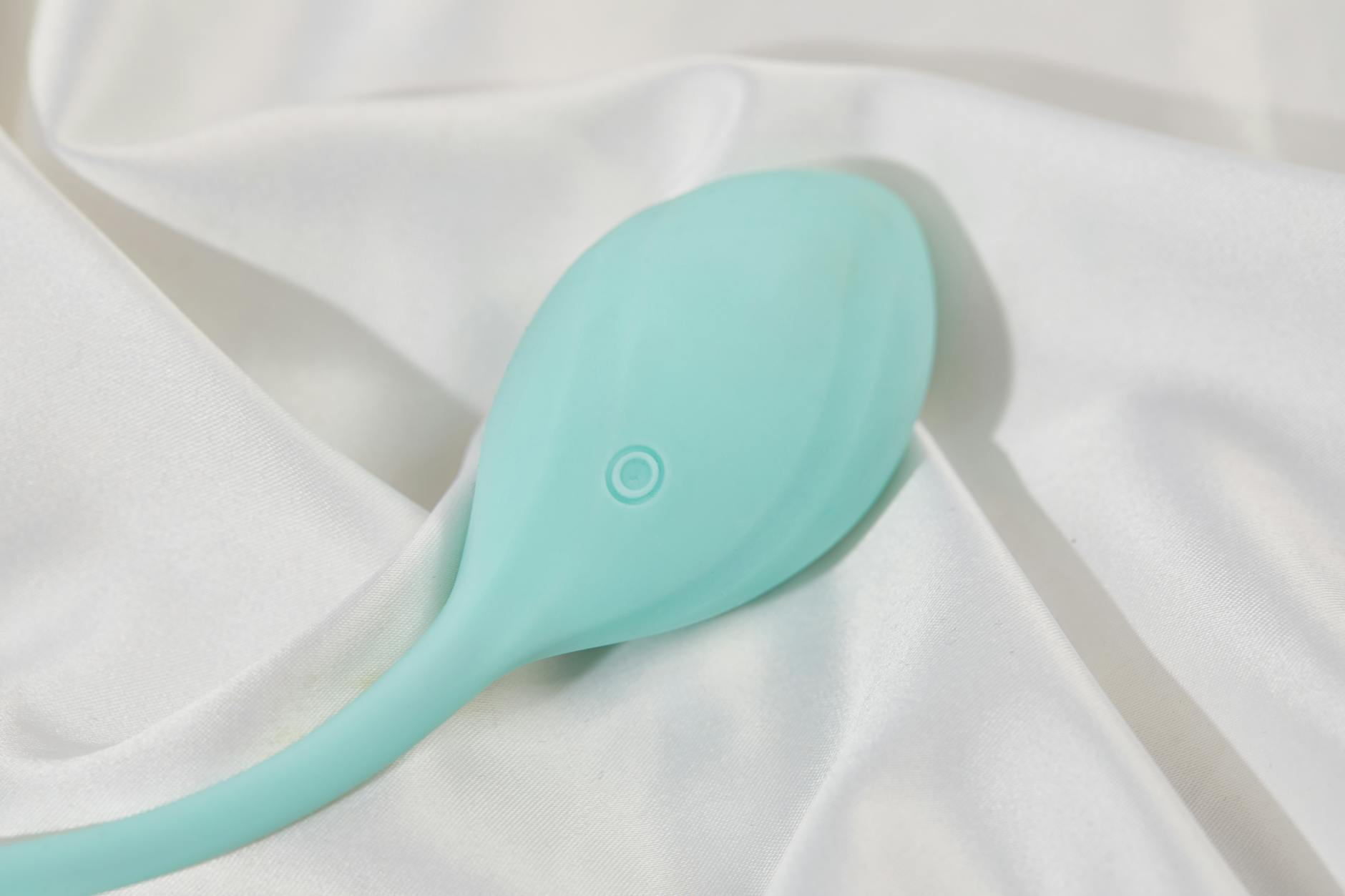
Why Lemon Vibrators Feel Different as Hormone Levels Drop Before Menopause
Let's be honest. Something's shifted, and you're not imagining it.
You might be noticing that arousal takes longer to build, or that your lemon vibrator feels different than it did five years ago. Maybe orgasms feel less intense, or require longer sessions to arrive. You're still in your cycle, still getting your period. But something under the surface is changing. This is perimenopause, the 5-10 year window before your period stops, and it's rewriting your body's pleasure response.
Here's what's actually happening and why your favorite lemon clitoral vibrator might need a strategy shift.
The hormone story nobody explains clearly
Before menopause fully hits, your estrogen and testosterone don't vanish overnight. They fluctuate wildly. Some cycles are normal, some drop sharply, some bounce back. This rollercoaster is perimenopause.
Why does this matter for pleasure? Because both hormones are doing serious work down there. Estrogen keeps vaginal tissue thick and responsive. Testosterone drives desire (yes, people with ovaries produce it, and it matters). When both start to dip unpredictably, sensation changes.
Your clitoris doesn't shrink. Your nerve endings don't disappear. But the tissue around them gets thinner, less engorged, slower to respond. It's like the difference between playing a cello with a fresh bow versus one that's losing tension. The instrument is the same. The sound is different.
What changes with a lemon vibrator
You might notice your lemon sucker or clitoral vibrator feels less intense than it used to, even on the same setting. This isn't the toy's fault.
Thinner tissue means sensation travels differently. Air-suction vibrators like the Lem work by creating a gentle vacuum around the clitoris, which stimulates a massive cluster of nerve endings without direct friction. As estrogen drops, that tissue gets less plump, which means the suction has less to work with. The sensation is still there, but it might feel subtly different. Less building, more plateau.
Direct vibration toys tend to feel stronger during perimenopause than they used to, because the protective cushion of tissue is thinner. Some people appreciate this intensified feeling. Others find it too much too fast.
Arousal also takes longer to arrive. Your brain is ready, but your body moves slower. What used to take five minutes might take fifteen. This is frustrating, not broken.
Why arousal speed changes
This one confuses a lot of people. You want sex. Your partner might want sex. But your body is slower to respond. The culprit is, again, hormone-related.
During your reproductive years, estrogen primes your nervous system for quick response. There's a reason people talk about being "ready" within minutes when hormone levels are stable. Now, with estrogen fluctuating, that priming isn't consistent. Blood flow to the genitals is slower. Vaginal lubrication might be less immediate. The neural signals that trigger arousal arrive on a different timeline.
A lemon vibrator can help you work with this timeline instead of fighting it. Longer warm-up sessions with a lem vibrator at lower intensity (patterns 1-3) give your body time to catch up. You're not broken. You're navigating a new rhythm.
Lubrication becomes less optional
This is the practical shift that trips most people up.
During reproductive years, natural lubrication happens fairly quickly for most people. During perimenopause, this becomes unpredictable. Some days you're fine. Some days nothing shows up until deep into arousal. Sometimes it doesn't show up at all, even when you're mentally very interested.
This is where a water-based lubricant stops being optional and becomes part of the setup. Not because your body is broken, but because thinner vaginal tissue absorbs moisture faster, and natural lubrication doesn't always keep pace with stimulation intensity.
If you're using a lemon clitoral vibrator, lube matters less directly (it's external), but it still improves glide if your partner is involved, and it's essential if you're combining external suction with any internal play.
Orgasm intensity and shape shifts
One of the things I hear most from people in perimenopause is that their orgasms feel different. Sometimes shallower. Sometimes shorter. Sometimes weirdly powerful but sudden, without the rolling build.
This is because the pelvic floor, the uterus, and the vaginal tissue all have estrogen receptors. When estrogen dips, these muscles have less tone and less sensitivity. The orgasm still fires in your brain. The sensation still happens. But the muscular contractions might feel less intense, or they might hit differently.
Some people find that lemon vibrators feel better during perimenopause because the suction mechanism doesn't rely on tissue tension the way direct vibration does. Others switch to lower-intensity patterns and take longer. Neither is wrong. Your body is telling you what it needs.
The mental piece matters more than you think
Here's what doesn't always get mentioned: perimenopause comes with a lot of other stuff. Hot flashes at 3 a.m. Brain fog. Irritability. Mood shifts that feel unhinged. You're also aging, noticing it, and maybe grieving something.
All of that lives in your body during sex too. Your brain is the largest sex organ. When your brain is exhausted or anxious, your body's pleasure response suffers. A lemon vibrator is genuinely useful here, because it's a tool that requires less mental energy. You don't have to perform or manage anyone else's timing. You set the pace.
Many people find that pleasure actually deepens during perimenopause, once they stop fighting the new timeline and lean into it. You know your body better. You're less interested in performances that don't serve you. You have permission to explore differently.
When to talk to a doctor
If you're experiencing pain with a lemon vibrator or during sex, that's not normal perimenopause and it's worth investigating. Genitourinary syndrome of menopause (GSM) involves atrophy so severe that sex becomes uncomfortable. This is treatable. A gynaecologist can recommend topical estrogen creams, vaginal moisturizers, or other interventions.
If your libido has completely flatlined and you know it's hormone-related (not relationship or mental health stuff), talking about testosterone is worth your time. Some practitioners prescribe it, some don't. It depends on your values and your doctor's approach. But the conversation is valid.
If you're noticing heavy bleeding, debilitating hot flashes, or mood changes that feel out of control, that's also worth mentioning. Perimenopause isn't just about sensation. Sometimes you need support beyond a better lube.
Making your lemon vibrator work for perimenopause
Four practical shifts that matter:
Start slower. Lower intensity patterns first. Your body will tell you if it wants more. Rushing intensity is how people accidentally numb instead of arouse.
Add time. Budget 20-30 minutes instead of 10. Arousal isn't slower because you're broken. It's slower because hormones are in transition. Time is the tool that works.
Use water-based lube strategically. Even if you don't "need" it for direct clitoral stimulation, it helps with comfort and sensation if anything else is happening.
Stay curious instead of comparing. The biggest mistake is treating this as a loss instead of a shift. Your lemon clitoral vibrator isn't less effective. Your body's response is different. Relearning pleasure during perimenopause is actually an opportunity to discover what works now.
Frequently asked questions
Why does my lemon vibrator feel less intense than it did two years ago?
Estrogen levels fluctuate during perimenopause, which thins vaginal tissue and slows blood flow to the clitoris. The clitoral tissue becomes less engorged, so sensation travels differently. Your lem vibrator is fine. Your body is responding to hormone shifts. Try lower intensity patterns and longer warm-up time.
Can a lemon sucker help if arousal takes forever now?
Yes, actually. Clitoral suction works by creating a gentle vacuum that stimulates a nerve-dense area without requiring pre-existing engorgement. This can actually feel more accessible during perimenopause because it doesn't depend on tissue plumping or quick blood flow. Start at pattern 1 and let it build.
Is it normal for my lemon vibrator to cause discomfort during perimenopause?
Tissue thinning can make direct vibration feel sharper than it used to. If you're experiencing sharp pain (not just intensity), stop and talk to a doctor. Minor discomfort from higher settings is usually just a signal to lower the intensity. Thinner tissue is more sensitive, not damaged.
Should I switch from my lemon clitoral vibrator to something else during perimenopause?
Not necessarily. Some people find clitoral vibrators feel better during perimenopause because lower patterns are more comfortable on thinned tissue. Others prefer air-suction devices. The answer is what your body tells you now. One tool might work better than another for this season.
Does lube help with lemon vibrator sensation during perimenopause?
For direct clitoral suction, lube is optional but never hurts. For combined play, it becomes important. Water-based lube helps with comfort and glide if your partner is involved. It also prevents tissue friction that can feel sharp on thinner tissue.
Will my pleasure come back the same after menopause officially hits?
It might feel different, but many people report that the most satisfying orgasms of their lives arrive in their 50s and 60s. Menopause isn't a deadline for pleasure. It's a chapter change. The sensitivity, knowledge, and permission that often comes with age transforms what sex feels like.
The bottom line
Your body is smarter than the narrative that hormone changes mean less pleasure. Perimenopause is a transition, not a loss. Your favorite lemon vibrator still works. You're just working with a new operating system. Once you understand the shifts, you can work with them instead of against them.
If you want support navigating this or other intimate changes, reach out. I'm here to help you make sense of what's happening and find what works now.