Let's start with the honest part
Recovery is the word we use for a lot of different things. Sometimes it means coming back after surgery, sometimes after trauma, sometimes after loss or grief has rewired your body's sense of safety. What they all share is this: pleasure gets quiet. Orgasms, if they happen at all, feel muted or distant or like they're happening to someone else.
That's not a sign you're broken. It's a sign you're healing.
The thing nobody tells you about the healing timeline is that your nervous system doesn't follow a calendar. Your body might be cleared for sex weeks or months before you actually feel ready. Your mind might want intimacy while your nervous system is still in protective mode. And that gap between what you think should happen and what your body can actually do right now is where a lot of shame lives. Let's not put it there.
Why orgasms fade during recovery
Your nervous system has a job: keep you safe. When you've been through something, that system gets hypervigilant. It holds tension in your pelvic floor. It makes you jumpy. It tells your brain that pleasure might not be trustworthy right now. This isn't weakness. It's your body doing exactly what it's designed to do.
At the same time, you've got physical changes happening. After surgery, tissue is tender or scarred. After trauma, your body might have learned not to respond to touch the way it used to. After grief, your brain isn't producing the same chemicals that make arousal easy. All of that is real, and all of it is temporary.
But here's what doesn't disappear: your capacity for pleasure. The nerves are still there. The pathways in your brain are still there. You're not broken. You're just running on a slower circuit than you're used to.
The case for lemon clitoral vibrators during recovery
During healing, the wrong tool can actually set you back. A vibrator that demands immediate, intense sensation? That can trigger your nervous system. It feels pushy. Your body pushes back harder.
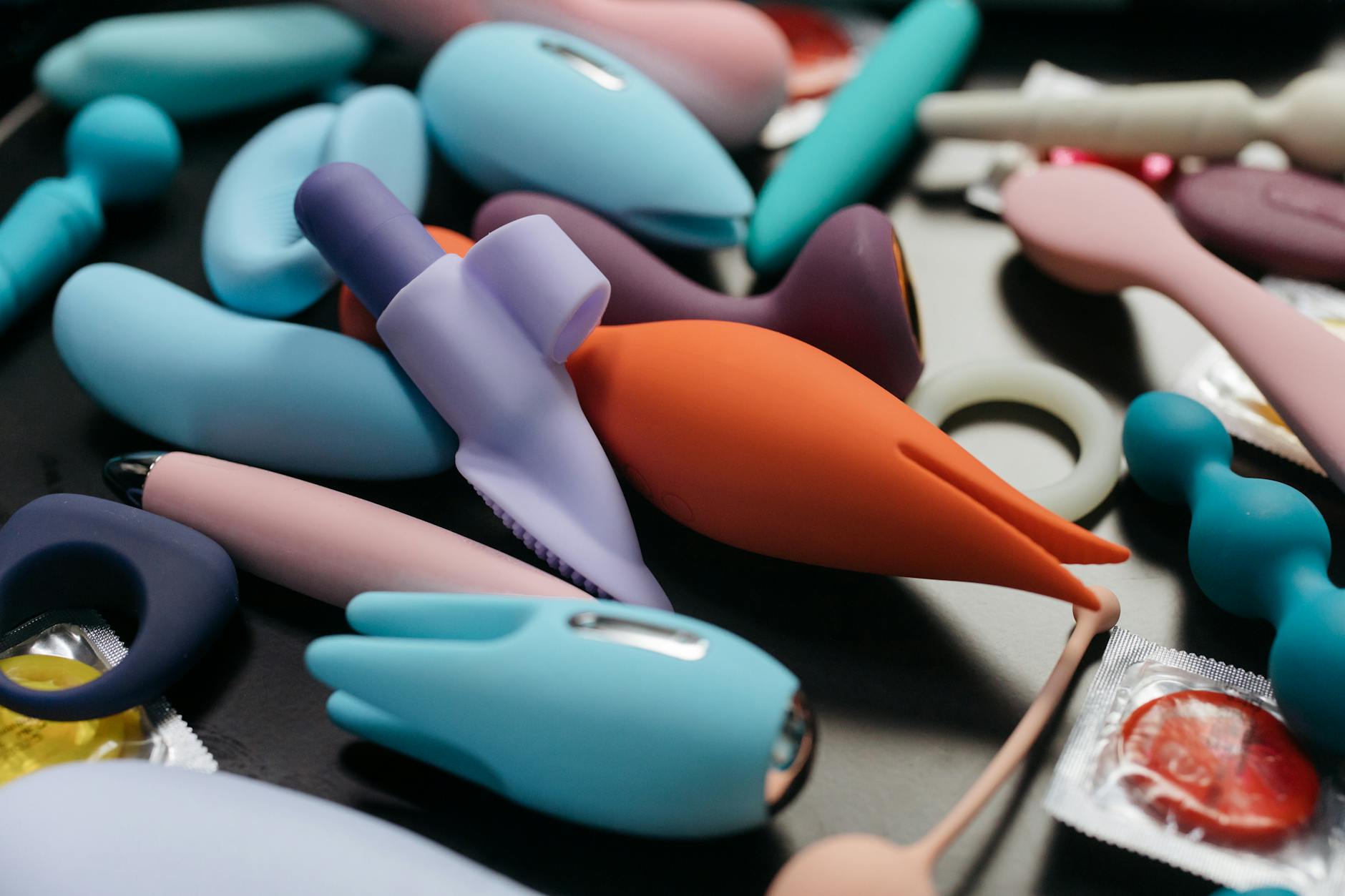
Lemon vibrators, especially models like the Lem with their gentle suction pattern, work differently. They don't demand. They invite. The pattern starts soft. You control the pace. The sensation is broad and diffuse rather than a sharp point of pressure, which means your nervous system doesn't get alarmed.
I recommend lemon clitoral vibrators to clients in recovery for three specific reasons:
1. Graduated intensity. You can start at pattern one and stay there for weeks if you need to. No shame, no rush. Your body gets to learn that pleasure is safe before you ask it to go deeper.
2. Mental permission. There's something about having an external tool that makes pleasure feel less like your responsibility and more like permission. You're not trying to make something happen. You're exploring what's possible. Reframing matters.
3. Nervous system safety. The suction sensation creates a feeling of containment that a lot of clients describe as grounding. It's the opposite of scattered. It feels held.
Building a slow-recovery framework
If you're in early recovery and thinking about exploring pleasure again, these four things change everything.
Set a time, not a deadline. Say "I'm going to explore for 20 minutes" rather than "I'm going to have an orgasm." Removing the goal removes the pressure. Your nervous system relaxes. Orgasms actually get easier when you stop hunting them.
Start clothed. Yes, really. Put your lemon vibrator on your body over fabric. Let your system get used to the sensation without the vulnerability of being naked. This sounds small. It's not. It's permission to warm up at your own pace.
Breathe through resistance. When your nervous system activates (you feel numb, or suddenly anxious, or scattered), that's not a sign to stop. That's a sign to slow down and breathe. Inhale for four, exhale for six. This tells your body you're safe. Recovery is learning this over and over.
Pair it with grounding. Use your five senses. Notice the texture of what you're wearing. Feel your feet on the floor. Listen to the room. Smell something you like. This keeps you present and prevents dissociation, which is essential during recovery.
The timeline nobody talks about
Here's what I tell clients who are frustrated because they thought they'd bounce back by now: healing isn't one line moving forward. It's a series of small breakthroughs interrupted by setbacks. You might have a great day and then a hard day. That's not failure. That's recovery.
In the first few weeks after surgery or trauma, your job is just to notice sensations without judgment. No orgasm required. You're relearning your body as a source of information rather than a source of fear.
After a month or so, you might start to feel the first whispers of arousal. This is when lemon sexual toys become really useful. Something like the Lem vibrator lets you gently explore without pressure. You're not trying to reach an outcome. You're asking your body, what do you remember about pleasure?
At the three-to-six-month mark, most people start to feel genuine sensation returning. Orgasms might still be harder to reach than they were before, and that's okay. Some people find their orgasms actually feel better once they come back because they've learned to pay attention in a new way.
When to check in with yourself honestly
Recovery is personal. That said, there are a few signs worth paying attention to. If numbness isn't starting to lift after two months, or if touching yourself creates panic rather than curiosity, or if you're forcing yourself because you feel like you should. Those are all signs to slow down more, not push harder.
There's also a difference between normal recovery and actual pain or complications. If lemon vibrators or any touch creates sharp pain, infection, or unusual discharge, check with your healthcare provider. That's not weakness. That's listening to your body.
The nervous system permission slip
Recovery asks something difficult of you. It asks you to be patient with yourself. To stop asking why you're not further along. To stop comparing your healing timeline to someone else's.
When you pick up a lemon clitoral vibrator during recovery, you're not just exploring pleasure. You're telling your nervous system that you trust your body again. You're saying, "I'm worth feeling good." You're learning, slowly, that pleasure doesn't require performance.
That's the real work. Everything else is just the tool.
People also ask
How long after surgery should I wait before using a lemon vibrator?
That depends on the surgery. After gynecological surgery, most providers clear you for penetrative sex at six weeks, but external exploration with something like a lemon sucker can usually happen earlier. Check with your surgeon. That said, healing isn't a green light. Even if you're cleared medically, your nervous system might need more time. Listen to that. There's no prize for doing it faster.
Can lemon vibrators help with trauma-related numbness?
Yes, but slowly. Numbness during recovery is often protective. Your nervous system is keeping sensation at a distance to keep you safe. A gentle lemon clitoral vibrator can help you gradually reclaim sensation without triggering your alarm system. The key is patience. Start at the lowest setting. Stay there until it feels boring. That's when you know your system is ready to explore more.
What if I'm in recovery but my partner wants to resume sexual activity?
This is common and worth talking about directly. Your body's healing timeline and your relationship's needs aren't always the same. The conversation that helps is separate from the pressure. Something like: "My body needs more time. Here's what I can enjoy right now. Here's what I'm not ready for yet." Using lemon sexual toys together can be a middle ground that lets you reconnect without demanding full readiness.
Is it normal for orgasms to feel different after recovery?
Completely. Your body has been through something. Your nervous system has relearned some things. That changes the texture of pleasure. Some people find their orgasms are actually more intense because they're paying closer attention. Others find they're softer, more diffuse. Neither is wrong. They're just different. Give yourself time to get curious about what feels good now rather than mourning what used to be.
How do I know if I'm pushing too hard versus not trying hard enough?
The feeling is different. Pushing too hard feels like strain. Trying but not trying feels like gentle curiosity. If you're regularly activating your nervous system (anxiety, panic, numbness), you're probably pushing. If you're regularly accessing even tiny sensations of warmth or tingling, you're in the right zone. Recovery isn't about performance. It's about reconnection.
Can lemon vibrators work for non-surgical recovery?
Yes. Whether you're recovering from trauma, loss, medication changes, or a major life disruption, your nervous system has a recovery timeline. Lemon clitoral vibrators offer the same benefits. Low stakes. Gradual intensity. Permission to explore at your pace. The goal isn't the orgasm. The goal is learning that your body can feel safe again.
What matters most
Recovery is messy and nonlinear and a lot slower than you probably want it to be. That's not a flaw in the process. That's what healing actually looks like. Tools like lemon vibrators don't speed it up. They make it gentler. They let you explore without the weight of performance.
Your body knows how to pleasure itself. It just needs permission and time. Everything else is just support.
If you want to talk through your specific situation or get personalized guidance on reconnecting after recovery, reach out to us. We're here to help.