Let's name what actually happened
Infidelity doesn't end a relationship. But it does end the relationship you thought you had. That's the part no one talks about clearly. After betrayal, almost every couple faces the same impossible question: how do we touch each other again without flinching.
I've worked with hundreds of couples rebuilding after infidelity, and the ones who move forward share one thing in common. They stop pretending the breach didn't happen, and they start building something deliberately new. That includes sex.
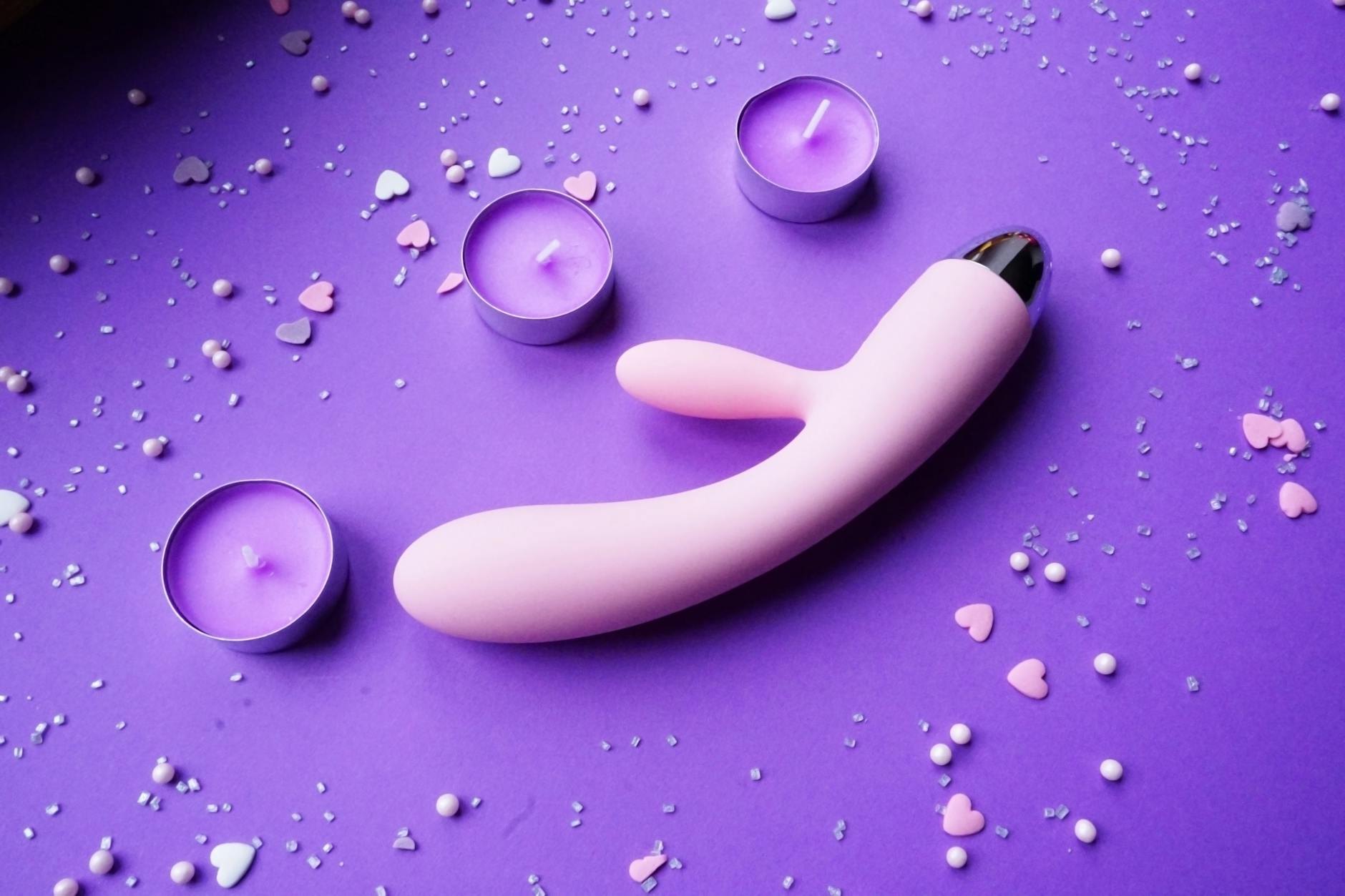
Using tools like a lemon vibrator together isn't about getting over the affair faster. It's about creating a shared experience that belongs only to the two of you now. A moment where both partners are present, exploring, and saying yes to each other. That matters more than you'd think.
Why couples even consider this after infidelity
Sex after betrayal is terrifying. The person you trusted had sex with someone else. Maybe in your bed. Maybe in a way you've always wanted. The body remembers. Anxiety spikes. Desire evaporates.
But here's what I tell my clients: avoiding sex doesn't rebuild trust. It freezes the hurt in place. What actually rebuilds intimacy is small, repeated moments of vulnerability and choice.
When you introduce a lemon clitoral vibrator together, you're creating something consciously. You're saying: "We're going to try something new. Together. No scripts, no assumptions, no replicating what was." That's genuinely different from what came before the affair.
The vibrator becomes a bridge. It shifts the focus from "I need to prove I'm still attracted to you" (a losing game) to "Let's explore what we both want right now." That's a conversation you probably haven't had honestly in a long time.
The conversation that has to happen first
I'm not talking about a five-minute chat. I'm talking about multiple conversations spread over weeks, maybe months. The affair didn't happen because you weren't having good sex. Sex became impossible because the affair happened. Don't confuse cause and effect.
Before you even look at a lemon vibrator, ask each other these things.
"What would feeling safe again look like for you?" Not in theory. Specifically. For some people it's more transparency (phones unlocked, schedules shared). For others it's slower rebuilding, months of consistency before touching again. Listen without defending.
"Are you actually ready for physical intimacy, or are you doing this because you think you should?" You'd be shocked how many couples rush this. The unfaithful partner pushes because they feel guilty and want proof of reconciliation. The betrayed partner agrees because they're afraid saying no means the relationship is over. Both positions are wrong. If you're not ready, you're not ready.
"What does pleasure mean to you right now?" After infidelity, pleasure often feels complicated. The unfaithful partner might feel they don't deserve it. The betrayed partner might feel that wanting pleasure is weird or proves they're shallow. Untangle that. You both deserve good sex. Full stop.
Once you've had these conversations, and both people genuinely want to try, then you can think about tools.
Why a lemon vibrator specifically
Lemon clitoral vibrators use suction technology, not traditional vibration. That's important here. After infidelity, the brain is hypervigilant. Familiar sensation can trigger memory and shame. Suction feels distinct. It's new to most couples. It's also intensely pleasurable, which means it captures attention fully.
When you're using a lemon vibrator together for the first time, your nervous system is too focused on the novelty and sensation to ruminate about the past. It's not numbness or dissociation. It's presence.
There's also something psychologically powerful about suction technology specifically. It's not a vibration you'd experience anywhere else. It belongs to this moment, this tool, this attempt at something new. That specificity matters when you're trying to build new neural pathways around pleasure.
How to actually introduce it without pressure
Step one: pick it together. Go to the Hello Nancy site and look at the options. Let your partner choose it. If they pick it, they've already invested in the experiment. They're not being handed something that feels like a test or a demand.
Step two: set the stage for the first time. Not in bed. Sounds weird, but hear me out. Go to a nice hotel for one night. Or tidy up the living room and make it intentional. The point is: this isn't a sneaky add-on to your usual routine. It's a planned, respected moment. That changes the psychology entirely.
Step three: talk about what you're both hoping for before you start. Not fantasies necessarily. Just, "I want to feel present," or "I want to see that you're enjoying this," or "I'm nervous and I need you to check in with me." Say it out loud. It kills shame faster than almost anything.
Step four: use lubrication. Water-based, always. Lube isn't a sign of failure. It's a sign of respect for your own body and your partner's attention to detail.
Step five: start slow. Many people think "slow" means low intensity settings. It doesn't. It means you take time. You build arousal gradually. You let your bodies adjust to being close and attuned to each other.
What to do if it gets uncomfortable
Discomfort will probably happen. One of you might feel triggered. The other might suddenly feel guilty. Your brain might go somewhere dark. That's normal.
If it happens, pause. Don't bail or feel ashamed. Just pause.
Then ask: "What do you need right now?" Maybe they need to stop. Maybe they need a break and want to try again in five minutes. Maybe they need you to hold them. Respond to what they actually ask for, not what you think they should need.
I've seen couples do this dozens of times. Each time, the pause gets shorter. The moment becomes less scary. Trust rebuilds in these small interactions. You're literally showing each other that discomfort doesn't mean the whole thing falls apart.
The rhythm that actually helps
Don't do this once and then assume you're healed. Plan to use the lemon vibrator together regularly, but without making it a performance. Once a week, maybe every other week. Enough that it becomes normal, but not enough that it feels like a chore.
Some couples find that after a few times, they can integrate it into longer, fuller sexual experiences. Others find that using it together is the entire sexual experience for a while. Both are fine. The goal isn't to "get back to normal sex." Normal was never trustworthy. The goal is to build something new that feels safe and intentional.
After three or four months of consistent, consensual use, most couples report that sex feels different. Not necessarily like it did before the affair. Better, often. Less performative. More present. More genuinely about both people wanting each other.
When to get a therapist involved
Here's what I tell everyone: if you can't have the conversations I mentioned earlier, you're not ready for the vibrator. You might not be ready to stay together, either. That's not a failure. That's honest.
If you can have the conversations but you're stuck in anger, shame, or blame cycles, get a couples therapist. Not a sex therapist necessarily. A regular couples counselor trained in infidelity recovery. The vibrator won't fix the underlying work. Only that work will.
If you use the vibrator a few times and things feel a little better, that's great. But that improvement often masks deeper stuff. Keep going to therapy even if sex improves. The real healing isn't in pleasure. It's in the conversations that lead there.
FAQ: Rebuilding intimacy after infidelity
How long should we wait after infidelity before trying anything sexual?
There's no universal timeline. I usually tell couples to wait until they can have an honest conversation about it without it dissolving into blame. If you're still in crisis mode (constant arguments, no communication), wait longer. If you've done some individual therapy and you're beginning to rebuild trust on other fronts, you might be ready sooner. The readiness test is: do you both want this, or is one person pressuring the other. If it's mutual, you're probably ready to try.
Will using a toy together erase what happened?
No. And if you're hoping it will, rethink your expectations. Using a lemon vibrator together is about building something new, not erasing something old. The affair happened. That's permanent. What you're doing with the vibrator is choosing each other repeatedly, in small ways. That's different from forgetting.
What if I still feel triggered during sex?
Triggers are normal after infidelity. Your nervous system is wired to detect threat. When you're vulnerable, it speaks up. If this happens, pause (as I mentioned above), tell your partner what you need, and take it slow. If triggers are happening most of the time, that's a sign you need more foundational therapy before adding tools like vibrators. Don't power through. That teaches your body that intimacy isn't safe.
Can using a lemon clitoral vibrator help with desire that's disappeared?
Sometimes. Desire often comes back when you feel safe and seen. If the vibrator creates moments where you feel present and attended to, desire can follow. But desire won't return if you're not doing the other work. If you're still lying awake at night angry, a vibrator won't fix that. Good sex follows safety. Not the reverse.
Should we tell each other if we use the vibrator alone?
This is personal. I generally suggest transparency. If you're using it alone, mention it casually. "I used the Lem earlier and it felt good." That kind of thing. It normalizes pleasure and keeps you from building secret narratives. But check with your partner about what they need. If they're still healing from infidelity, total transparency might feel important to them for a while.
What if my partner doesn't want to try this?
Respect that. Not everyone feels comfortable with toys. Some people are just wired differently. If your partner doesn't want to use a lemon vibrator but you do (solo), that's fine too. If they won't engage in any form of physical intimacy, that's a different conversation. That might mean the relationship isn't actually healing. That's hard, but it's important information.
The real work is the conversation
Infidelity is a rupture. It breaks something fundamental. Using a lemon vibrator together won't stitch it back up instantly. But it's one small way of saying: "I choose you. Right now. Even though I'm scared and you scared me. I choose you anyway."
Repeat that choice enough times, in small moments of presence, and trust starts to rebuild. Not because you're over the affair. But because you're building evidence that choosing each other is possible now.
That evidence is what heals. Not the vibrator. The choice.