Let's talk about the unwanted guest in your pleasure
Antidepressants save lives. They also flatten sexual response in roughly 40-60% of people taking them. Not everyone, and not always permanently, but if you're reading this, you already know what that numbness feels like. The arousal that used to arrive on its own now needs an invitation. The orgasm that used to feel inevitable now feels optional. And somewhere between the two, pleasure went quiet.
Here's the thing nobody tells you: this isn't your body failing. It's not low desire or a relationship problem in disguise. It's a side effect of the medication that's keeping you stable, and it's fixable. A lemon vibrator works for this specific friction point because it does what your body can't right now. It creates stimulus loud enough that your nerves pay attention.
Why antidepressants muffle sensation in the first place
Most commonly prescribed antidepressants are SSRIs (selective serotonin reuptake inhibitors). They work by keeping serotonin circulating longer in your brain. That steadiness helps mood, anxiety, and intrusive thoughts. But serotonin also regulates dopamine. And dopamine drives desire, pleasure prediction, and the entire orgasm cascade.
When serotonin stays elevated, dopamine drops slightly. Less dopamine means arousal takes longer to build, the peak feels muted, and sometimes orgasm just doesn't arrive at all. Your nerve endings aren't broken. Your brain's pleasure signaling is just running on a lower volume.
The sensation is still there. It's just that you need more input to reach the same output.
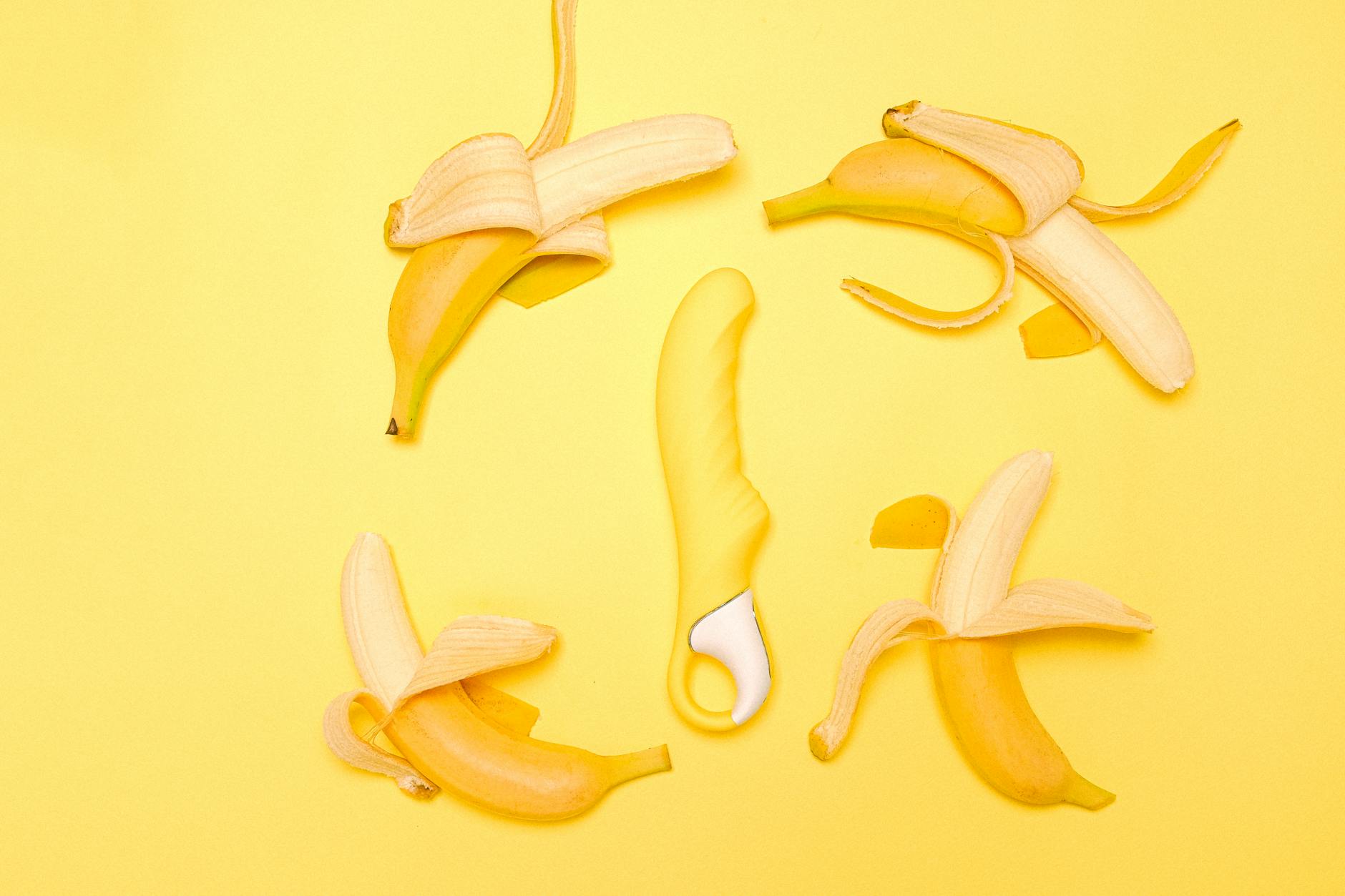
Photo by Anna Shvets on Pexels
How suction stimulation cuts through that numbness
Most vibrators work by vibrating against tissue. Fast, repetitive pressure. If your nerve endings have gone quiet, regular vibration can feel like background noise. You notice it's there, but it doesn't register as pleasure. You're waiting for intensity that never comes.
Suction works differently. Instead of vibration alone, it creates a pulse of pressure that draws tissue upward, then releases. That alternating expansion and contraction wakes up nerve clusters in a way direct vibration can't. It's not just touching the area. It's creating movement within the tissue itself.
For people on antidepressants, that difference is massive. The suction action in a lemon vibrator or similar clitoral sucker gets past the dopamine flatline and actually registers as sensation. Not overwhelming, not intense, but real. And real is where pleasure starts.
The antidepressant class matters, but so does timing
SSRIs aren't all identical. Sertraline and paroxetine tend to have higher sexual side effects. Bupropion actually tends to improve sexual function (it's sometimes added to SSRIs specifically to counteract numbness). Venlafaxine sits somewhere in the middle.
If you're on an SSRI and the flatness is newer, talk to your prescriber about timing. Some people find that taking the dose at night instead of morning, or shifting it by a few hours, helps arousal return. Others find that a small dose reduction (with supervision) helps without compromising mood stability.
But here's what most doctors won't tell you: if the medication is working for your mental health and you don't want to mess with the dose, a lemon clitoral vibrator isn't a compromise. It's a legitimate reclamation of your pleasure. You're not waiting for your body to catch up. You're giving it the tool it needs right now.
How to actually use a lemon sucker when sensation is muted
Start at the lowest setting. Seriously. When your nerves are quiet, you don't need intensity. You need contact. The Lem vibrator by Hello Nancy starts at a gentle pulse that's barely noticeable at first, and that's the point. Place it directly over the clitoral hood and let it sit for 10-15 seconds before you even notice anything.
Then wait. Don't chase sensation by turning up the intensity. Just notice what's happening. Some people on antidepressants describe the first few uses as almost blank. They feel the device, they know they're using it, but arousal isn't happening. That's normal. Your body's pleasure signal is dampened, not dead.
After 20-30 seconds of the gentlest setting, move to the next level. Again, wait. This isn't about rushing to an orgasm that might not arrive. This is about relearning what sensation feels like when it does show up.
The advantage of a lemon vibrator over other toys is that suction feels less intense than direct vibration when you're using it at low levels. It's precision without aggression. You're creating conditions for your body to respond, not forcing a response that your dopamine levels might not support yet.
Timing matters, and so does patience
Antidepressant sexual side effects don't follow a strict timeline. Some people adapt within weeks. Others take months. A few find that even after a year, sensation is quieter than it was before.
What you can do: use a lemon vibrator consistently, but not desperately. Three times a week is enough to retrain your nerve response without turning pleasure into a job. Track what you notice. Does sensation feel stronger after a longer warm-up? Does it help if you use it for solo pleasure rather than partnered sex? Are there times of day when arousal comes easier?
Your body is collecting data about how to wake up again, even if the full response takes time. Some people report that after consistent use of a clitoral sucker over 4-6 weeks, their baseline arousal creeps back up. Others find that the vibrator makes pleasure accessible again, period. Both outcomes are wins.
What else helps, beyond the toy itself
Four things that matter as much as the lemon vibrator itself.
Longer foreplay. Budget double the warm-up time you used to need. Tell your partner (if applicable): "My body's on a different timeline right now. That's not about you." Then actually give yourself that time, alone or together.
Communication with your prescriber. Mention the sexual side effects at your next appointment. Not all SSRIs have the same sexual impact, and your doctor might suggest a switch, an augmentation, or a dosing shift. Don't assume they already know; sexual side effects are notoriously underreported.
Fantasy and mental engagement. Antidepressants can also flatten fantasy. If you used to get aroused by thoughts alone and now that pathway feels dead, that's part of the dopamine effect. Giving yourself permission to use erotica, audio, or written fantasy while you use a lemon clitoral vibrator can help bridge that gap.
Solo pleasure as data gathering. Partnered sex carries pressure. Using a lemon vibrator alone removes that. You're not trying to perform for anyone. You're not worried about timing. You're just learning how your body responds right now, in this season of your medication.
When sensation comes back
Sometimes it does. Not always, but often. As your body adjusts to the medication (usually after 3-6 months), some of the sexual flatness eases naturally. If you've been using a lemon vibrator, you'll notice pleasure building faster. Orgasm becoming more reliably reachable. Arousal arriving without requiring so much deliberate stimulation.
When that shift happens, you get to decide what role the vibrator plays next. Some people keep using it because suction just feels better than anything else. Others use it less frequently, or shift to using it in partnered scenarios. Some find that their arousal is stable enough to move back to solo techniques they loved before the medication.
There's no timeline where you should "graduate away" from using a lemon vibrator. If it works, it works. The goal isn't to get back to a pre-antidepressant baseline. The goal is to have access to pleasure in your life right now.
The bigger picture
Antidepressants are a mental health choice, not a sexual one. If the medication is essential for your stability, your depression, your anxiety, or your ability to show up in your life, then reclaiming pleasure becomes part of caring for yourself on that medication. A lemon sucker vibrator isn't a workaround for broken chemistry. It's a tool that acknowledges the real neurochemical shift and gives your body the stimulus it needs to respond.
Your pleasure matters. Your mental health matters. Both can be true at the same time. And if a Hello Nancy lemon vibrator is the thing that makes pleasure real again in this season, then it's exactly the right tool.
Common questions about antidepressants and sexual pleasure
Can I stop my antidepressant to get my sexuality back?
Not a good idea if the medication is working for your mental health. Stopping SSRIs can trigger rebound depression, anxiety, or withdrawal symptoms. The sexual flatness might improve, but the original condition often returns. Work with your prescriber about alternatives, not abrupt stopping.
Will my sexual response ever fully return?
Often yes, but not always completely. Many people find that sensation normalizes after 3-6 months on the medication as the body adapts. Some stay on the SSRI long-term and keep using a lemon vibrator because pleasure is accessible that way. A few eventually have full baseline restoration. The timeline is individual.
Does every antidepressant cause sexual side effects?
No. Bupropion rarely does. Mirtazapine sometimes improves sexual function. SSRIs and SNRIs have the highest rates. If sexual side effects are severe, talk to your prescriber about switching classes. It's a legitimate reason to adjust medication.
Can I use a lemon clitoral vibrator while on antidepressants?
Absolutely. There are no contraindications between SSRIs and sexual pleasure tools. Using a vibrator won't interfere with the medication. In fact, consistent stimulation might help rewire arousal pathways that the medication has quieted.
How long until a lemon vibrator "works" on antidepressant numbness?
Some people feel a difference the first use. Others take 2-3 weeks of consistent use before sensation noticeably returns. Be patient. Your body isn't broken. It's running on different neurochemistry, and retraining takes time.
Should I tell my partner I'm using a lemon vibrator because of antidepressant side effects?
If you want to, yes. Many partners appreciate understanding that the change isn't about them. You could frame it as: "My medication flatters arousal. I'm using a vibrator to help my body respond. This isn't instead of you. It's in addition to us." How to Introduce a Lemon Vibrator to a New Partner covers this conversation more deeply.
Will my body become dependent on the vibrator?
No. Dependency would mean you lose the ability to orgasm without it. What actually happens is that your body learns to respond more easily to stronger stimulation, then generalizes that response. Many people find that after consistent vibrator use, their baseline arousal improves even without the toy. Dependency isn't how neural plasticity works.
What if I'm on antidepressants and still don't have orgasms with a vibrator?
Fuck, that's frustrating. But it happens. Some people on SSRIs have persistent anorgasmia even with high-powered toys. In that case, talk to your prescriber about augmentation (adding bupropion or buspirone to enhance dopamine), switching to a different SSRI, or dose adjustment. A vibrator can help, but it can't fix neurochemistry alone if the dopamine effect is severe.
Can I use a lemon vibrator while on other medications?
Most medications have no interaction with vibrator use. If you're on blood thinners, immunosuppressants, or anything that affects blood flow, check with your doctor. For the vast majority of people on antidepressants plus other psych meds, pain meds, or health meds, a lemon clitoral vibrator is completely safe.
If sexual side effects are new, should I use a vibrator or change my medication first?
Try both. Give a vibrator a month of consistent use while you're also having a conversation with your prescriber about the side effect. One of three things will happen: sensation returns naturally as your body adapts, you switch to a medication with fewer sexual side effects, or you find that a vibrator gives you reliable pleasure even with the antidepressant. All are valid outcomes.
Is it normal to need longer warm-up time on antidepressants?
Completely normal. Arousal builds slower when dopamine is lower. Budget 15-25 minutes of stimulation before expecting orgasm. That's not a sign something's broken. It's just your body's current baseline. A lemon vibrator helps because it provides consistent stimulus during that longer ramp-up.
Your antidepressant is doing its job. Your pleasure deserves to do its job too. A lemon vibrator from Hello Nancy isn't a replacement for mental health care. It's the recognition that both your stability and your sexuality matter, and right now, you need a tool that meets your body where it actually is.
If you're navigating this tension in your relationship or struggling with how to talk about it with a partner, reach out. These conversations are hard. You don't have to have them alone.