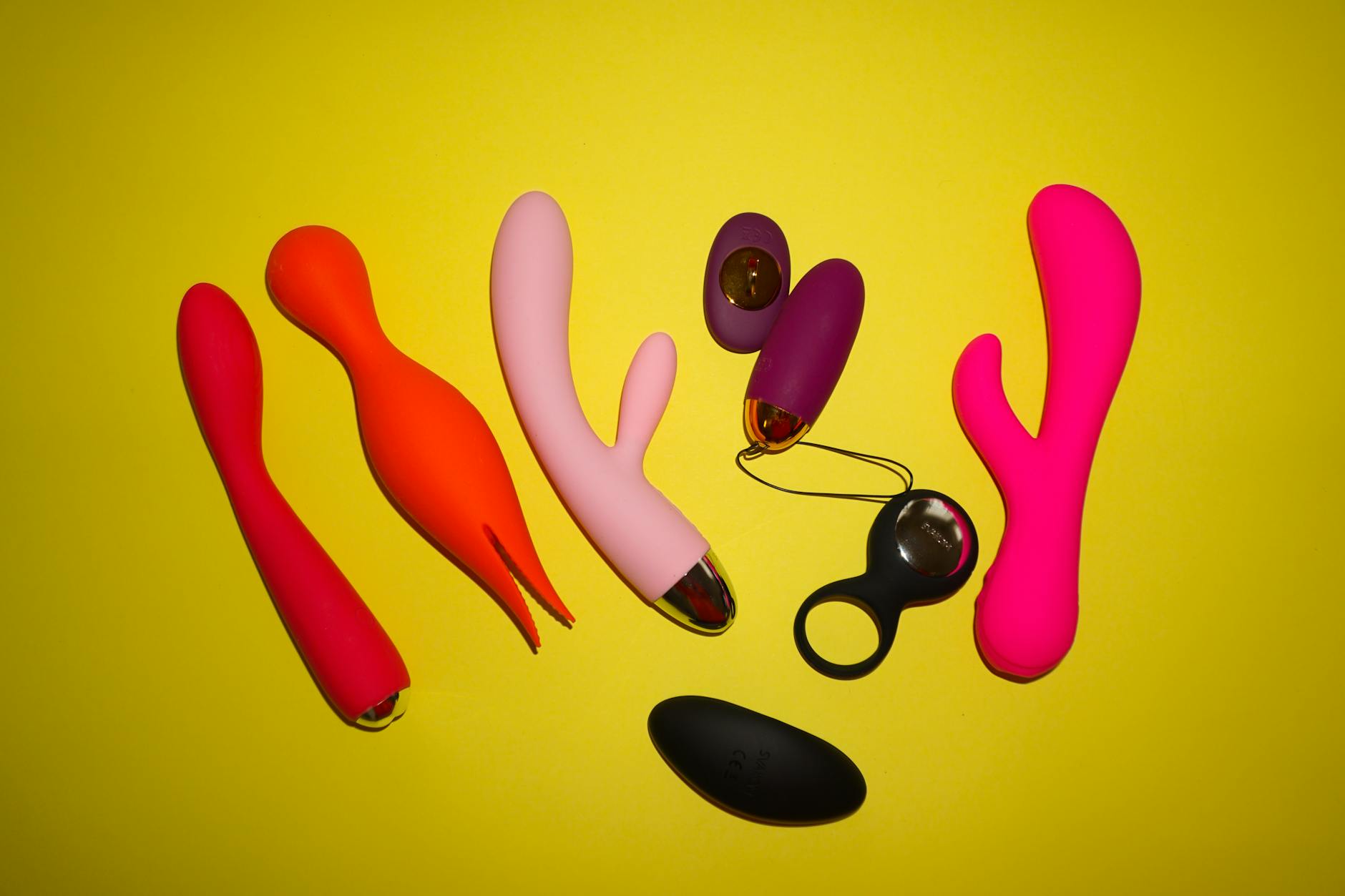
Let's name what's actually happening
Sex feels rushed when there's an invisible clock ticking. Someone wants to finish before the kids wake up. There's a window of time before a work call. You're trying to deliver the orgasm your partner expects, which means you're performing instead of feeling. The body tightens. The mind checks out. And what was supposed to be intimate becomes a task you're failing at.
Here's what I've noticed across thousands of hours of couples therapy: rushed sex often isn't about logistics. It's about permission. Permission to slow down. Permission to say no. Permission to prioritize your own sensation over someone else's expectations. Lemon vibrators are unexpectedly powerful tools for rebuilding that permission.
Why pressure kills pleasure (and what happens in your nervous system)
When you feel rushed, your nervous system shifts into low-level fight or flight. Your vagus nerve, which controls relaxation and sexual response, gets suppressed. Blood flow to the genitals decreases. Lubrication slows. Arousal becomes harder to access, which then makes you feel broken, which makes you try harder, which makes the whole thing worse.
This isn't a reflection of your capacity for pleasure. It's a sign that your nervous system needs permission to relax first.
The research is clear: pleasure requires parasympathetic activation. That means slower breath, lower heart rate, and a sense of safety. When you're worried about timing, performance, or disappointing your partner, none of those conditions exist.
The lemon vibrator as a reset tool
Here's what a lemon clitoral vibrator does differently than partnered sex when pressure is high: it removes the other person's timeline from the equation entirely. There's nobody waiting. Nobody checking their watch. Nobody whose satisfaction depends on your orgasm arriving on schedule.
The lemon vibrator gives you three critical things:
1. You control the pace. Most people spend 15-25 minutes exploring sensation with a vibrator versus 3-8 minutes with a partner when time is tight. You're not racing toward a finish line. You're wandering through pleasure without a destination.
2. You define what feels good. The Lemon's suction-based design works beautifully for people who find direct vibration too intense or who've been performing arousal instead of actually experiencing it. You're not accommodating anyone else's preference.
3. You rebuild trust with your body. When sex has felt like an obligation, your body often stops signaling what it wants. Solo exploration with a vibrator helps you reconnect with sensation without pressure. Many people report that this reconnection actually improves partnered sex because they're no longer performing.
How to actually use one when pressure is your real issue
The mechanics matter less than the mindset here. Here's what actually works:
Start by establishing real alone time. Not "my partner is in another room." Locked door, phone on silent, 30-45 minutes you've explicitly protected. Your nervous system needs to know this time belongs entirely to you.
Do not go straight to the vibrator. Spend 5-10 minutes noticing your body first. Notice where you carry tension. Notice your breath. If you go from rushed to vibrator without that pause, you're just rushing the vibration instead.
Use low intensity initially. Lemon vibrators have multiple patterns. Start on the gentlest setting. This trains your nervous system that pleasure doesn't require intensity or urgency. You're teaching your body a new pace.
Notice pleasure without organizing it into arousal or orgasm. This is the radical part. Instead of "I need to get turned on and then get off," just notice: what sensations feel interesting right now? Where does your attention want to go? You might orgasm. You might not. Either way, you're rebuilding the ability to feel pleasure as an end in itself, not a performance metric.
Stop when it feels like pressure and start again when it feels like play. The moment you feel yourself rushing toward an outcome, pause. Breathe. Notice if the tension is back. If it is, put the vibrator down. This isn't about "failing." It's about training your nervous system that you get to choose when and whether to continue.
What this actually repairs in partnered sex
When you've rebuilt a relationship with your own pleasure separate from someone else's expectations, partnered sex shifts. You become someone who can say no without guilt. You become someone who knows what you actually want instead of what you think you should want. You become someone whose body is allowed to take its time.
Your partner often feels this shift immediately. When you're not performing, they're not managing your experience. Sex becomes collaborative instead of transactional.
Honestly, this is where most couples' sexual problems get solved. Not through more communication (though that helps). Not through scheduling sex (though that can too). But through one person reclaiming agency over their own pleasure, and their partner recognizing that their job isn't to deliver satisfaction on a timer. It's to be present while you both discover what feels good.
The conversation with your partner
If you're in a relationship, this work is worth naming. You might say something like: "I've noticed sex feels rushed lately, and I'm realizing I need some solo time to figure out what my body actually wants without a clock. This isn't about you. It's about me rebuilding trust with myself. I think it'll actually improve things between us."
If your partner responds with defensiveness or resentment, that's information. It suggests the pressure isn't just logistical. There might be deeper anxiety about desire, rejection, or control at play. That's couples therapy territory, not a vibrator problem.
But most partners, when they understand what's actually happening, are relieved. They've been feeling the pressure too. They've been worried they weren't good enough. Knowing their partner is rebuilding pleasure autonomously often takes that weight off.
Using lemon vibrators to rebuild your sexual confidence
After weeks of this practice, something shifts. Your nervous system learns that pleasure is safe. Your body learns that you're allowed to take your time. Your mind stops racing ahead to the finish line. When you return to partnered sex, you're a different person. You're someone who knows what they want and isn't apologizing for it.
This is what I see happen with Hello Nancy products most often. The lemon vibrator becomes the tool that bridges you from "sex is a chore" back to "pleasure is mine to explore."
People also ask
How long should I use a lemon vibrator when feeling pressured by time?
There's no right answer, but I recommend ignoring the clock entirely. Leave your phone outside the room. Give yourself 30-45 minutes and let it take whatever time feels right. If you need 10 minutes, take 10. If you need 60, take 60. The point is that you're no longer organized around anyone else's timeline.
Can using a lemon vibrator alone make partnered sex less pressured?
Absolutely. Solo exploration helps you reconnect with your own desires independent of performance expectations. When you know what genuinely feels good, you can communicate that to a partner instead of just trying to please them. That shift alone transforms the pressure.
What if my partner feels threatened by me using a lemon vibrator?
That's worth addressing directly and probably in therapy. A secure partner typically isn't threatened by your solo pleasure because they understand it's separate from your desire for them. If a partner expresses that they feel replaced or inadequate, that's not a vibrator problem. That's an intimacy and security problem worth working through with a professional.
Should I tell my partner I'm exploring with a lemon vibrator?
It depends on your relationship and your comfort level. Some couples benefit from openness about this. Others prefer privacy around solo pleasure. There's no universal right answer. What matters is that you're not hiding it out of shame. You're choosing privacy or openness from a place of clarity.
How do I know if the pressure I'm feeling is about my partner or about myself?
Notice what happens when you're alone with a lemon vibrator. If you still feel rushed or like you're performing, the pressure might be internal. If you feel genuinely relaxed and present, the pressure was likely external. Both are valid information worth exploring.
Can a lemon clitoral vibrator help if my partner pressure comes from a mismatch in desire?
Yes, but it's a partial solution. A vibrator can help you access pleasure independently of your partner's timeline, which reduces resentment. But if your partner wants sex more or less frequently than you do, that's a conversation that needs to happen separately from solo practice. Both are true.