
Let's start where it matters
Sexual healing after trauma is not linear, and it's not about "getting over it" by jumping back into pleasure the way you used to. Recovery means something different for everyone. For some people, that journey includes rebuilding a sense of sexual agency, and for many of those people, tools like lemon clitoral vibrators become part of reclaiming control in a space where control was taken away.
This isn't about forcing arousal or pretending you should be "fine" by now. It's about understanding how the right tools can support a healing process that's entirely on your timeline.
Why trauma changes the body's response
When trauma happens, the nervous system learns to protect you by going into hypervigilance or shutdown. After sexual trauma specifically, the body can respond to touch in ways that feel confusing or contradictory. Some survivors experience numbness. Others find their body reacting with fear or discomfort even when they're in a safe situation with someone they trust.
Neither response is a failure. Both are your nervous system doing exactly what it was trained to do.
The clitoral system is dense with nerve endings, which means it's incredibly responsive to stimulation. But it's also deeply connected to your emotional and nervous system state. A lemon vibrator works differently than a partner's hand or a traditional wand. The suction technology of devices like the Lem engages tissue without requiring the kind of direct pressure or invasive touch that can trigger a trauma response. For many survivors, that distinction is the difference between feeling safe and feeling trapped.
The advantage of vibrators in trauma recovery
Three specific reasons why a lemon clitoral vibrator can support healing:
Control is yours. Unlike partnered touch, you decide the intensity, speed, and rhythm. You can pause instantly. You can stop without explanation. That agency matters deeply when your body has experienced a loss of agency. Starting with intensity level 1 and working up at your own pace means you're learning what comfort feels like on your terms.
No pressure to perform. A toy doesn't need you to "get there." It doesn't get tired or impatient. That absence of expectation removes a layer of pressure that can keep survivors stuck in their heads rather than present in their bodies.
Sensation without intrusion. Lemon sexual toys use air suction to stimulate the clitoral nerve cluster without penetration or direct friction. For survivors of penetrative trauma, that non-invasive approach can feel profoundly different and safer to explore.
Building a trauma-informed foundation
Before you even use a toy, the groundwork matters. Here's what I tell clients in my practice:
Start with grounding, not arousal. Your first sessions should be about getting to know your body without the goal of orgasm. Touch your own skin. Notice where you feel safe. Notice where you feel tension. This is body mapping, and it's foundational.
Choose a time when you feel genuinely safe. Not just physically, but mentally. You need to be in a space where you won't be interrupted, where you don't have to be hypervigilant about someone else's presence. This is non-negotiable.
Give yourself permission to stop or change your mind. Healing isn't linear. Some days you'll feel curious and ready. Other days your body will say no, and that's not regression. That's information. Listen to it.
Consider working with a trauma-informed therapist. A good therapist can help you process what comes up during this exploration, because sometimes pleasure and trauma live close together in the nervous system.
How to start with a lemon clitoral vibrator safely
Once you've done that groundwork, here's a practical approach:
Session one is orientation. Hold the toy. Look at it. Turn it on at the lowest setting away from your body. Get familiar with the sound, the vibration, the weight. Some survivors find that unfamiliar sensations trigger a response, so take time here. There's no rush.
Start external and slow. When you're ready, try using the vibrator on the outer labia, away from the clitoris itself. The sensation is gentler here, and you're still building tolerance for the feeling. Stay here for several sessions if you need to.
Move toward the clitoris gradually. Once external stimulation feels comfortable, you can move closer to the clitoral area. Use intensity level 1 or 2. Stay for just a few minutes. Again, the goal is familiarity, not orgasm.
Practice pausing. This is crucial. Turn it off. Wait. Turn it back on. Practice having control. This reinforces that you can stop anytime, which helps your nervous system relax.
Track what feels okay. Keep a simple note of what intensity, what position, what time of day, and what emotional state led to sessions that felt safe. Pattern recognition helps you build toward consistency.
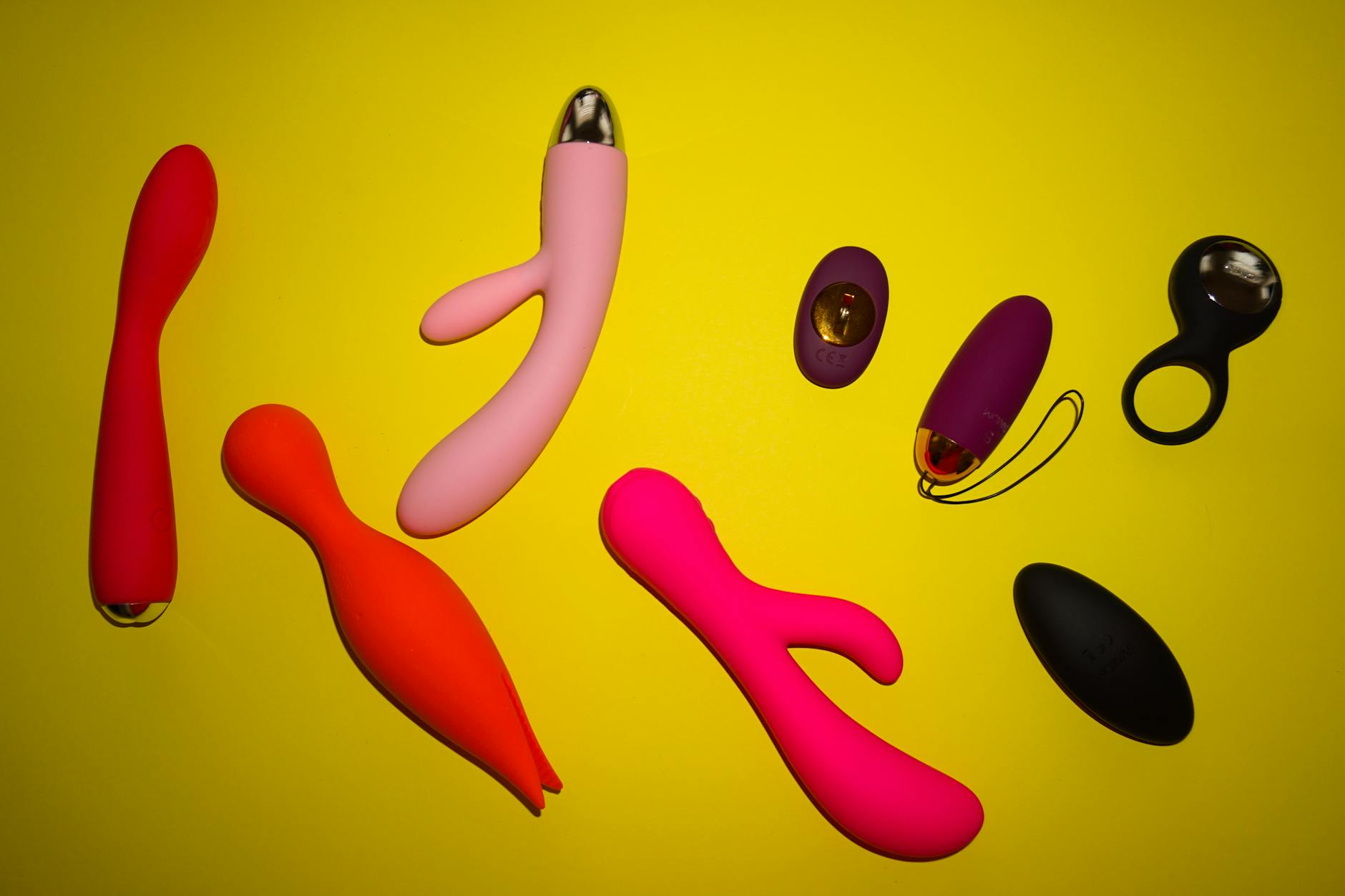
Photo by FounderTips on Pexels
What to do if something triggers you
You might be exploring and suddenly feel flooded, dissociated, or afraid. That's not failure. That's data. Here's what helps:
Stop immediately. Don't push through discomfort thinking you'll get used to it. You won't. You'll just teach your body that healing hurts, which is the opposite of what you need.
Ground yourself in your body. Press your feet into the floor. Feel the texture of your sheets. Name five things you can see. These aren't silly coping tools; they're evidence-based grounding techniques that help your nervous system recognize you're safe right now.
Return to the toy only when you're ready. That might be the next day. It might be weeks later. Healing timelines vary wildly, and rushing it backfires. One of my clients didn't use a vibrator for three months after buying it, then found she was ready. That waiting period wasn't wasted time; it was necessary.
Talk to your therapist about what came up. If you have one, this is exactly what they're there for. Processing what triggered you strengthens your healing.
Pleasure as a marker of healing
Here's something that often surprises people: pleasure is not a sign that you're "over it." Pleasure is a sign that your nervous system is learning to feel safe in your own body. Those are very different things. You can have moments of genuine pleasure and still be in recovery. Both are true.
Many survivors report that their first genuine moment of self-directed pleasure with a tool like a lemon vibrator is a turning point, not because it "fixes" anything, but because it proves to their nervous system that pleasure can exist without danger. That sensation without violation is possible. That your body can feel good on your own terms.
Sexual healing after trauma is reclaiming your body as yours. That looks different for every person, and there's no timeline for when you "should" get there.
When to seek additional support
If you're experiencing persistent numbness even with stimulation, or if every attempt to explore leads to panic or dissociation, that's not a sign that this approach won't work for you. It's a sign that you might benefit from additional therapeutic support first. A trauma-informed sex therapist can help your nervous system regulate before adding tools to the picture.
If you're in a partnership and your partner is pushing you toward pleasure before you're ready, that's also worth addressing. Healing after sexual trauma requires genuine consent and patience from everyone involved. How to use a lemon vibrator when communication with your partner feels difficult might offer some language for those conversations.
The long view
Healing is not a destination. It's a direction. Some days you'll feel your body responding to pleasure in ways that feel natural. Other days you'll need to be gentle with yourself and sit with discomfort without pushing through it. Both are part of the journey.
A lemon clitoral vibrator can be one tool in that journey, not because it magically fixes trauma, but because it offers something concrete: control, gentleness, predictability, and the opportunity to learn what pleasure feels like when there's no one else's needs in the picture.
Your body is worth this careful attention. Your healing timeline is valid. And pleasure, when it comes, is yours alone.
People also ask
Can I use a lemon vibrator if I have PTSD related to sex?
Yes, but with careful boundaries. PTSD exists in the nervous system, so stimulation can sometimes trigger responses. That's why starting with grounding work and working with a trauma-informed therapist is valuable. The vibrator itself is a tool; the context and your readiness matter more than the tool.
How long before I feel pleasure again after sexual trauma?
There's no standard timeline. Some people feel shifts within weeks. Others take months or years. Healing isn't linear, and pleasure isn't a measure of how "done" you are. If you're not feeling anything after several months of patient exploration, talking to a trauma-informed sex therapist can help.
Is it normal to feel guilt or shame when using a vibrator during recovery?
Very normal. Trauma often comes with messaging that your body should be ashamed, that pleasure is dangerous, or that you don't deserve it. Those messages don't disappear overnight. A therapist can help you process that shame separately from the physical exploration you're doing.
What if my partner wants to be involved in my healing and I don't want them to?
That boundary is healthy and important. Early healing is often best done solo. You need to learn what your body feels like when there's no one else's expectations in the room. Partners can support your healing without being present for every step. Communication techniques for navigating toy use with partners can help frame that conversation.
Can lemon vibrators help with numbness caused by trauma?
Sometimes, yes. The specific stimulation of a clitoral suction vibrator can help wake up nerve endings that have been dormant due to trauma responses. But numbness can also be a protective mechanism your body still needs. Gently exploring without forcing sensation to appear is the right approach.
Is it better to start with a toy or explore manually first?
That's individual. Some survivors find their own hands feel safer because the touch is familiar and they control the pressure completely. Others find that toys feel safer because they're less intimate and more predictable. Try both approaches and see what your nervous system responds to.
Final thoughts
Recovery from sexual trauma is deeply personal work. Tools like lemon clitoral vibrators can support that journey, but they're not the journey itself. Your healing happens in the quiet moments when you're learning to trust your own body again. The vibrator is just permission to explore on your terms, at your pace, with no one watching but you.
That permission matters more than the tool ever will.