
Let's name what's actually happening
Your partner used to reach for you. Now they don't. And you're left wondering if it's about you, about them, about the relationship, or just the exhaustion of Tuesday at 10 p.m. Probably all of it. This is one of the quietest relationship problems because nobody talks about it directly. Instead, you pretend not to notice. Or you initiate and feel rejected. Or you stop trying altogether.
Here's what I know from working with couples for years. Desire mismatches are not relationship failures. They're friction points that either get addressed or they calcify into resentment. A lemon vibrator, used intentionally, can actually be the tool that breaks that silence.
Why initiation drops (and it's rarely what you think)
When partners stop initiating, the cause is almost never "I don't want you anymore." It's usually one of these four things.
First: stress redistribution. Someone gets overwhelmed at work, parenting, money, health, and sex moves to the bottom of the priority list. Their brain is still solving last quarter's problems at midnight.
Second: performance anxiety. If they've sensed any frustration from you about frequency, or if they're worried about their own stamina or arousal, they stop trying to avoid the discomfort of potential rejection.
Third: shifting libido cycles. Hormonal changes, aging, medications, depression, burnout. These are real physiological shifts, not excuses.
Fourth: disconnection masquerading as low desire. They're not mad at you, exactly. But something in the emotional texture has shifted. Sex feels like a demand instead of a connection. So they avoid it.
None of these reasons mean you should accept a dead bedroom. But they do mean the fix isn't about convincing someone to want you more. It's about building a structure that keeps pleasure alive on both sides.
The problem with waiting for initiation
When you depend entirely on your partner to initiate, you've given them control of your sexual wellbeing. This sounds dramatic, but it's true. If their desire drops for any reason, yours vanishes with it. Your body learns to wait. Your arousal gets quieter.
Women especially do this. We're socialized to be responsive rather than generative. We wait to be wanted instead of owning what we want. Then we wonder why we feel disconnected from our own pleasure.
Using a lemon vibrator solo does something counterintuitive. It doesn't create distance from partnered sex. It often creates more of it. Here's why: when you're not waiting for someone else's desire to light you up, you stay warmer. You stay more available. You're not sitting on a backlog of unmet need.
How to use a lemon clitoral vibrator when your partner isn't initiating
Start with intentionality, not secrecy. The worst approach is hiding solo pleasure as though it's shameful or a threat. The best approach is mentioning it without asking permission. "I've been wanting to explore what feels good for me on my own. I got a lemon vibrator. I'm excited about it." That's it. No negotiation, no defensiveness, no apology.
Your partner may feel threatened at first. That's their work, not yours. Many people find that when they see their partner owning their pleasure independently, it actually makes them want to join in. The energy shifts from "convince me to want you" to "I'm interested in this."
Establish a rhythm that's just yours. This is crucial. Pick a time that's not competing with partner sex. Maybe it's weekend mornings, or Wednesday nights after they're asleep. Make it consistent. Your body responds to predictability. After a few weeks, you'll notice your arousal comes faster because your nervous system knows what's coming.
Get specific about sensation. A lemon sucker works differently than penetration or other vibrators. The suction creates a sustained, even pressure that builds slowly. Start on the lowest setting and spend time there. Don't rush to climax. The point is to remember what sustained pleasure feels like without performance pressure. That familiarity is what you'll bring back to partnered sex.
Notice what shifts in you. After a week or two of consistent solo pleasure, you'll likely feel different in your body. More present. Less resentful. More interested in touch generally. This is what the research shows: people who maintain active solo sexuality report higher satisfaction in partnered sex and lower relationship conflict. It's not a coincidence.
The conversation you need to have (and when)
Don't have it during sex, before sex, or after sex. Have it during a walk or over coffee when you're both calm and clothed. Not accusatory. Curious.
"I've noticed we're not connecting sexually as much, and I want to understand what's going on for you. No blame. Just data gathering. Are you stressed? Tired? Has something shifted for you physically or emotionally?"
Listen for the real answer, which is often buried under the first response. "I'm just tired" often means "I feel like I'm failing at work and I don't want to feel like I'm failing here too."
Then share your side. Not "You never touch me," but "I miss feeling desired. I want us to figure this out together. I'm also working on my own pleasure because I realized I was waiting for you to make me feel alive, and that's not sustainable."
The fact that you're using a lemon vibrator solo is relevant information. It shows you're taking responsibility for your own sexuality instead of making it entirely their job. That often softens the conversation.
What happens next (the realistic version)
Some partners get curious and want to use a lemon clitoral vibrator together. Others don't, and that's okay. The point isn't to force them into something. The point is that you're no longer sexually dormant. You're active. You're learning your body. You're maintaining your own pleasure pathway.
When you're not desperate for initiation, you can actually enjoy partnered sex differently. It becomes something you both choose instead of something you're waiting for. That shift alone often loosens the knot.
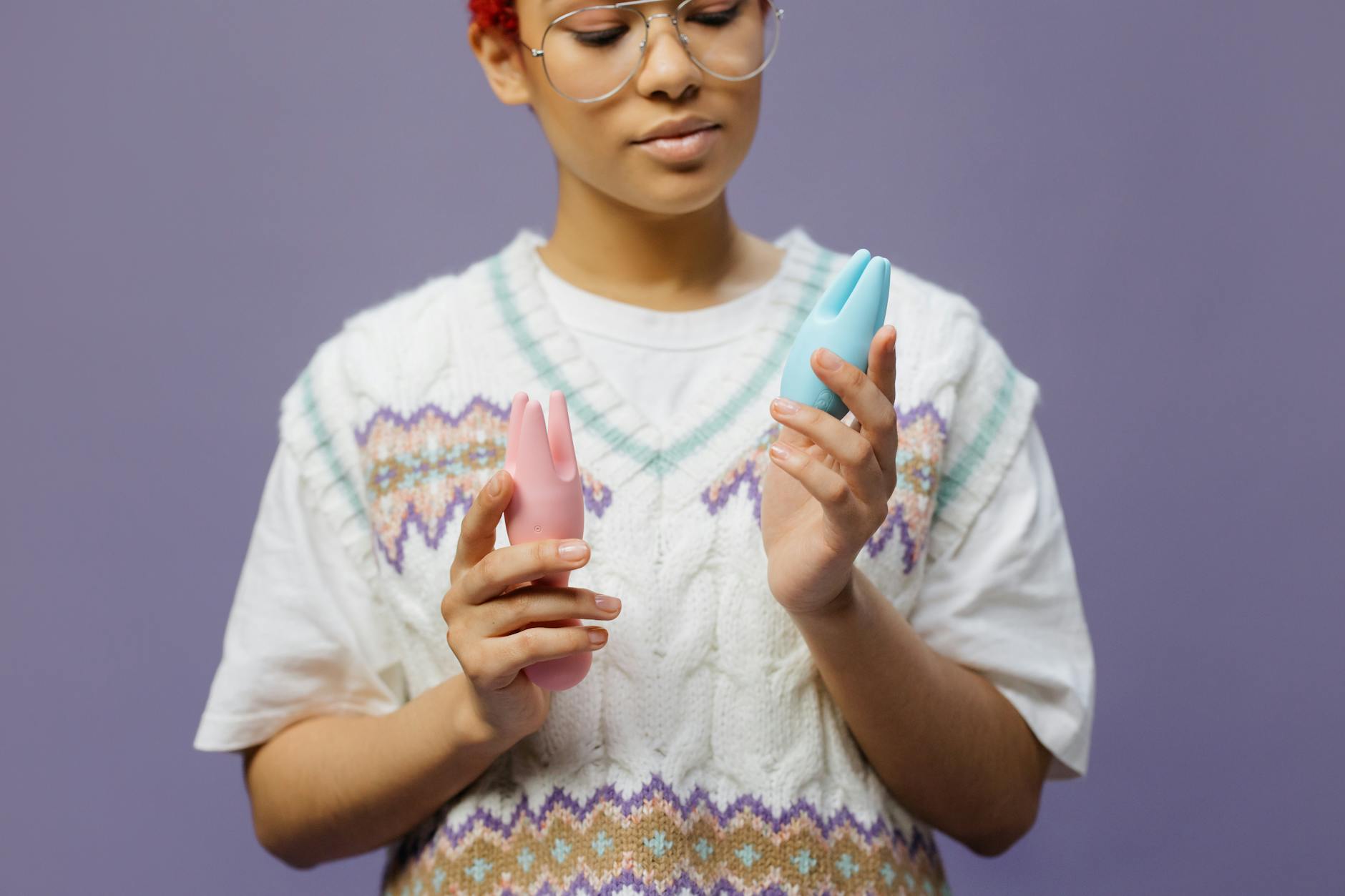
Photo by cottonbro studio on Pexels
Managing the discomfort of asking for what you need
Part of why initiation stops in relationships is that neither person is actually asking for what they want. You're hoping they'll guess. They're hoping you'll stop expecting them to read your mind. Everyone's frustrated.
Using a Hello Nancy Lemons Shop lemon vibrator gives you language. You can say, "I want you to watch me use this," or "I want us to use this together," or "I want you while I'm using this." These are specific asks. Much easier to answer than "Do you want to have sex?"
Your partner may say no. That's information. If they consistently avoid sex and avoid even watching you pleasure yourself, that's a different problem that might need couples therapy. But many times, a specific ask lands differently than a general invitation.
What desire mismatch actually teaches you
When you move through a period of lower initiation from your partner, you learn something crucial. Pleasure is not something you get from someone else. It's something you generate and share. Your partner can enhance it. But they can't create it for you.
That distinction changes everything. You stop being a passive recipient waiting for someone to unlock you. You become someone who is already warm, already interested, already alive. That's magnetic. Most partners respond to that energy.
The lemon clitoral vibrator is just a tool. The real work is mental. It's reclaiming the belief that your pleasure matters even when nobody's initiating it. Especially then.
Frequently asked questions
What if my partner feels threatened by me using a vibrator?
That's actually common. Many people are taught that vibrators are a replacement for them, not a complement. The conversation that helps is direct and honest. "This isn't about you. My body needs something specific sometimes. You can be part of it or not, but it's happening." Setting that boundary is healthy. It also often reduces their defensiveness over time because you're not blaming them or asking them to fix something they can't.
Should I be using a lemon vibrator if my partner isn't interested in toys?
Yes. Your sexuality doesn't pause because your partner has different preferences. A lemon sucker or other clitoral vibrator can coexist with partnered sex just fine. Many people use them solo and also enjoy partnered sex that looks completely different. It's not either/or.
How often should I be using a lemon clitoral vibrator?
There's no right answer, but consistency beats frequency. Two or three times a week is more valuable than daily for a week and then nothing for a month. Your nervous system responds to predictability. Even 15 minutes in a consistent rhythm teaches your body a lot.
Can using a vibrator make me harder to orgasm with a partner?
No. That's a myth. Studies show the opposite. People who maintain active solo sexuality report easier, more frequent orgasms in partnered contexts. The mechanism is unclear, but the data is consistent. A lemon sucker might feel intense, but that doesn't desensitize you. It teaches your body that pleasure is possible.
What if nothing changes in our sexual frequency even after I start using a vibrator?
Then you have bigger information. You'll know that the mismatch isn't about you needing something you're not getting. You'll know your partner genuinely has lower desire and that's a separate issue that might need professional support. You're freed up to address it directly instead of secretly hoping things will change.
Is it okay to use a lemon vibrator with a partner who's less experienced with toys?
Absolutely. In fact, it's often easier. A lemon clitoral vibrator is less intimidating than many toy options because it's specifically designed for external clitoral stimulation. No penetration. No complicated settings. You can use it solo first so you understand what feels good, then invite your partner to try it with you. That's much less vulnerable than handing them something and saying, "Here, figure this out."
The thing about desire in long-term relationships
Initiation patterns shift. That's not a failure. It's a normal part of how couples evolve. What matters is whether you stay active in your own sexuality or whether you hand that responsibility entirely to someone else. When you keep yourself warm, the whole dynamic changes.
You deserve pleasure that isn't contingent on someone else's mood or schedule. A lemon vibrator is one way to honor that. It's not a replacement for partnered intimacy. It's a way of saying, "My pleasure matters. I'm not waiting around for permission to feel good." Everything that comes after that tends to be better.