
Here's the thing about sensitivity mismatch
One of you finds a lemon clitoral vibrator at setting three intensely pleasurable. The other barely feels it until setting five. This is not a problem to solve. It's a feature of how bodies work, and learning to navigate it together might be the best thing that happens to your sex life.
Most couples never discuss this openly. They assume incompatibility is the issue, when really it's just about understanding how to use tools differently.
Why pleasure sensitivity isn't the same for everyone
Nerve density varies wildly from person to person. Some people have naturally more sensitive clitoral tissue. Others have less. Medication, hormones, stress levels, and even hydration can shift sensitivity week to week. If you're using a lemon vibrator as a couple, you're working with two completely different neurological setups.
Then there's anticipation. Someone who's been thinking about sex all day often needs less intense stimulation to reach pleasure. Someone who's just been handed a toy mid-evening might need more time and stronger sensation to engage.
Med history matters too. Antidepressants, hormonal birth control, thyroid medication, even antihistamines can dull sensation. None of this means anyone's broken. It means you're two separate nervous systems with different baselines.
The communication setup that actually works
Don't ask your partner "Is this too intense?" That puts pressure on them to be polite. Instead, establish a rating system before you start. I recommend a scale from one to ten, where one is barely perceptible and ten is too much.
Have both partners identify their own baseline. Where does pleasure actually register? For one of you, that might be a five. For the other, a seven. That's your starting point, not an insult.
Then talk about speed of change. Can sensation build gradually, or does one of you prefer to jump intensity? Some people like slow progression through settings. Others find that boring and want to move through speeds faster.
This conversation takes ten minutes and saves months of frustration.
How to actually use a lemon vibrator with different thresholds
First option: take turns. This sounds unsexy until you try it. One person uses the lemon sucker on their partner for five to ten minutes while the recipient focuses entirely on sensation. Then you switch. This removes the pressure of coordinating simultaneous pleasure and lets each person experience the vibrator at exactly their own intensity.
Second option: one person holds the lemon vibrator while the other guides placement and pressure. The person holding it controls the setting. The person receiving controls the position. This creates collaboration instead of performance.
Third option: find your overlapping intensity zone. Maybe one of you is comfortable from setting three to seven. The other from five to eight. Settings five and six are the overlap. Start there, then occasionally venture into each person's preferences solo.
The lemon clitoral vibrator design actually helps here. The targeted suction means lighter settings deliver real sensation, so the person with lower sensitivity thresholds isn't fighting a toy that can't go low enough.
When one partner needs significantly more to feel anything
If one of you genuinely doesn't register sensation below setting seven or eight, that's information, not a deficiency. Some of this is neurological. Some is situational.
Before you blame the toy or assume something's wrong, check the basics. Are they actually aroused? Distracted? Stressed about work? Dehydrated? Hormone-sensitive that day? Have they been touched and anticipated this, or are they going from zero to sixty?
Create conditions that help. Longer foreplay. More attention to non-genital touch first. Privacy and time. Reduced distractions. Sometimes what looks like low sensitivity is actually low arousal.
If the basics are there and someone genuinely needs intense sensation, a lemon vibrator can still be part of the toolkit. Higher settings exist for a reason. Using a clitoral vibrator at maximum intensity isn't reckless if that's what creates pleasure.
The conversation about preferences without resentment
Here's where couples get stuck: one person feels rejected if their partner needs a different setting. "Why do I not feel like enough?" is the unspoken question. That's backwards thinking, but it's human.
Reframe it inside your head. Your partner isn't rejecting sensation. They're asking for conditions that work for their nervous system. You're not failing to be stimulating enough. You're learning what actually stimulates them.
When you're using a lemon vibrator together and adjusting settings, treat it like tuning an instrument. You're not criticizing the player. You're calibrating for the best sound.
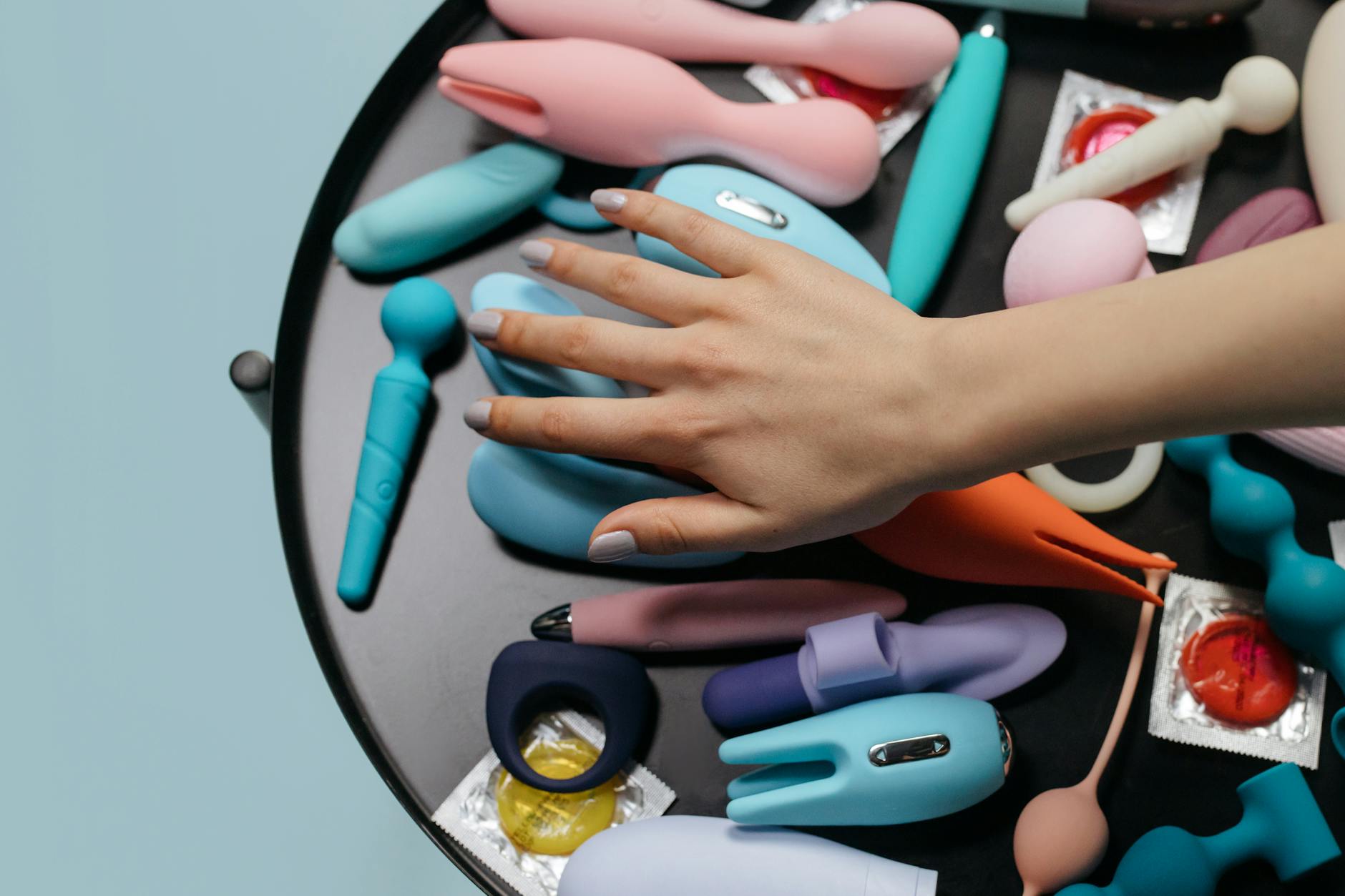
Photo by cottonbro studio on Pexels
When sensitivity changes mid-session
Sometimes one partner starts off needing setting four and ten minutes in, feels overstimulated and needs to drop to setting two. Sometimes they start low and gradually want more intensity. This is normal. Nervousness, comfort level, arousal arc, and shifting pleasure can all change sensitivity in real time.
Check in without stopping the momentum. "Does more feel good or too much?" can be asked mid-session. Permission to adjust is permission to stay engaged. If someone's white-knuckling through overstimulation to keep their partner happy, the whole thing stops working.
The most successful couples I work with actually use words mid-session. "Higher." "Yes, right there." "Softer." "Keep going." It sounds clinical written down. Live, it's intimate because it's honest.
When to try additional lemon sexual toys
If one person's threshold is genuinely so different that no single lemon vibrator creates shared pleasure, you might use different toys. One partner could use a lemon clitoral vibrator while the other uses a higher-powered toy, or combines the lemon vibrator with manual stimulation.
Hello Nancy Lemons Shop makes several clitoral vibrators with different intensities and designs. The Lemon and the Berri offer different sensation profiles. Some couples find that having two toys creates less pressure than trying to find one tool that works for both nervous systems.
This isn't failure. It's design thinking applied to intimacy.
The sensitivity conversation with a new partner
If you're early in a relationship and introducing toys, this is essential. Asking someone directly "How sensitive is your clitoris generally?" feels awkward. But asking "What kind of intensity usually feels good?" or "Do you prefer lighter or firmer touch?" is a normal intimacy question.
If you've been together for years and never talked about pleasure sensitivity, now's the time. It doesn't require a formal sit-down. It can happen while you're actually using a lemon vibrator together.
One more thing about patience
Learning each other's pleasure thresholds takes time and requires dropping the idea that there's one "right" way to feel stimulation. Your partner's nervous system isn't a problem to fix. It's information to work with. A lemon clitoral vibrator is just a tool. The real work is the conversation that makes using it together feel less like coordination and more like collaboration.
People also ask
How do you know if a vibrator is too intense for someone?
They'll tell you if you ask. Look for tension in the body. Pulling away. Tightening legs or jaw. These are clues that intensity has gone too far. But the simplest approach is asking directly: "Is this too much?" and trusting the answer. Some people find intense sensation pleasurable. Some find it uncomfortable. Both are valid. With a lemon vibrator, you can easily drop the setting or adjust placement to reduce intensity.
Can you use the same lemon vibrator if you have very different sensitivities?
Absolutely. One of you uses it at setting three. The other at setting six. You might take turns, or you might find a middle setting that works for both and accept that it's not perfectly calibrated for either person. The Lemon by Hello Nancy Lemons Shop has six settings, which gives couples room to find compatible zones. If there's a massive gap between you, using the vibrator on different body parts can also change how intense it feels.
Is low pleasure sensitivity a sign of a medical problem?
Not necessarily. Some people are neurologically wired with less sensitive genital tissue. Others have lower sensitivity due to medication, stress, or life circumstances. If sensation has suddenly decreased and concerns you, it's worth mentioning to a doctor. But variation in baseline sensitivity is normal and common. Most of the time it's just how that person's body works.
Should you feel ashamed if you need high-intensity vibration?
No. Needing stronger sensation doesn't mean you're broken or overstimulated. It means your nervous system requires more input to register pleasure. This is especially true for people with lower clitoral nerve density or those taking medications that affect sensation. A lemon clitoral vibrator at setting five or six isn't excessive. It's appropriate.
What if one partner thinks vibrators are unnecessary?
That's a different conversation than sensitivity mismatch. If someone feels threatened by toys, that's about insecurity or values, not about nerve endings. The best approach is honesty: "I enjoy this tool. It doesn't replace you. I'd like us to explore it together." If they're not interested, you can use toys solo. But forcing a reluctant partner into partnered sex toy use creates resentment, not pleasure.
How do you avoid one person feeling rejected if they need less intense sensation?
Remind each other that intensity preference is not a referendum on your attractiveness or your partner's ability to arouse you. Someone needing a lower setting isn't saying you're boring. Someone needing a higher setting isn't saying you're not enough. It's neurology, not rejection. Some couples find this easier if they talk about what settings their bodies actually prefer, separate from partnership. "My body feels pleasure at a four" is a statement of fact, not a criticism of your partner.