Let's talk about the trade-off nobody warns you about
Your antidepressant works. You feel better. You're sleeping, you're present, your anxiety has loosened its grip. Then you notice something else has loosened too. Sensation across your genitals is just... quieter. Not gone. Quieter. A touch that used to spark something now feels like you're wearing a thin glove.
This is one of the most common sexual side effects of SSRIs and other antidepressants, and it's also one of the least discussed in those five minutes your doctor gives you before sending you out with a prescription. The numbness is real, it's neurological, and it's treatable.
Why SSRIs specifically flatten clitoral sensation
Antidepressants work by increasing serotonin availability in your brain. That's the part that helps with mood. But serotonin also regulates dopamine and noradrenaline, both of which are crucial for sexual arousal and orgasm. When you increase serotonin to fight depression, you're simultaneously muting the neurochemistry that fires up pleasure.
Clitoral sensation tends to suffer more than genital sensation overall because the clitoris is almost purely sensory. It has no other job. When dopamine and noradrenaline dip, it's like turning down the volume on a speaker that was already quiet.
The timeline matters here. Most people notice sexual side effects within the first two to four weeks of starting an SSRI or adjusting the dose. Sometimes it improves slightly over weeks four through eight as your body adjusts. But for about 40 percent of people on SSRIs long-term, the numbness stays.
How lemon vibrators bypass the numbness problem
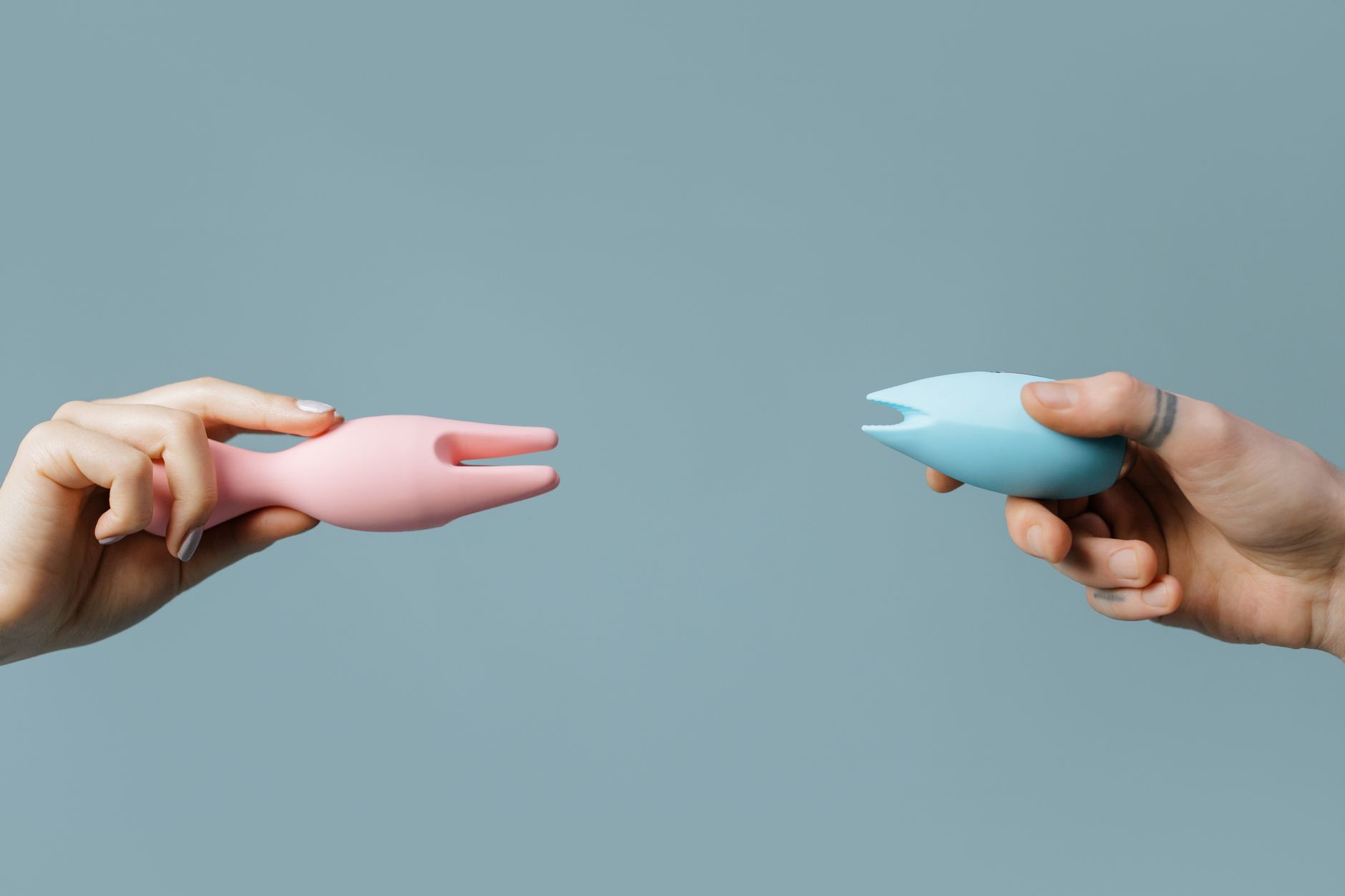
Here's where air-suction technology changes everything. A lemon clitoral vibrator like the Lem works differently than a traditional vibrator. Instead of buzzing, it creates rhythmic suction and release around the clitoris. This stimulates a different set of nerve endings than direct vibration alone.
Why this matters when you're numb: suction creates pressure and sensation that can penetrate through reduced sensation in ways that gentler vibration can't. You're not trying to feel a buzz that's muted. You're activating deeper nerve clusters with a pulling sensation that doesn't rely on the superficial sensitivity that antidepressants have dampened.
Many clients I've worked with report that they can feel the lemon sucker when they can't feel anything else. It's not because it's more intense. It's because it's a different kind of stimulus.
The practical setup that actually works
Four changes make a measurable difference:
Start with curiosity, not performance. Take the goal of orgasm completely off the table for the first few sessions. You're exploring sensation, not chasing an outcome. This alone reduces the pressure that anxiety piles on top of numbness.
Use it during your peak energy window. Antidepressants often blur energy and motivation. Find the hour or two when you feel most present. Morning often beats night because fatigue compounds numbness.
Pair it with something that wakes up sensation first. Before using the lemon vibrator, spend five to ten minutes with touch that engages different senses. A feather, ice, a soft brush, your partner's breath. You're not trying to get aroused. You're waking up the nervous system so it can register what comes next.
Keep lubrication generous. Numbness plus friction equals nothing. Water-based lube isn't just comfortable. It amplifies the sensation of the suction by creating a better seal. It's not optional here.
The medication conversation with your doctor
Here's what most people don't know: there are solutions beyond "just live with it."
If clitoral numbness is affecting your quality of life, your doctor can adjust the dose, try a different SSRI in the same family that might have fewer sexual side effects, or add a medication that counteracts the sexual dampening. Buspirone and bupropion are common add-ons that actually boost libido and sensation.
The conversation goes like this: "The antidepressant is working well for my mood, but I've noticed significant numbness in clitoral sensation. I'd like to talk about whether adjusting the dose, trying a different medication, or adding something could help."
Don't soften it with euphemisms. Doctors hear this constantly. It's clinical. It's real. And there's evidence-based treatment for it.
One warning: don't stop your SSRI or mess with the dose on your own trying to solve this. Sexual side effects and mental health aren't a hierarchy. You need both to be okay.
What you might notice over the first month
Sensation often returns in layers. Week one, you might feel the suction itself but not arousal. Week two, arousal might start appearing but feel distant. Week three, that distance might close. Some people regain full sensation within weeks of trying a lemon clitoral vibrator. Others see improvement but not complete restoration, especially if they're on a higher antidepressant dose.
If you're with a partner, this is worth naming. "I'm working on something with sensation right now and I'm experimenting with this. I'd like you to know that what I'm feeling isn't about you or us." Numbness often gets misread as disconnection. It's not. It's neurology.
When to loop in your therapist
If you have a therapist, mention this specifically. Not because it's shameful. Because sometimes SSRI-induced numbness comes tangled up with other stuff: performance anxiety, resentment about the medication itself, or genuinely needing to adjust the dose. Your therapist and your prescriber can communicate directly, which helps clarify whether the numbness is purely chemical or whether anxiety is making it worse.
The other reason: rebuilding pleasure after numbness is partly about permission. You might be carrying a low-level belief that you're broken or that your body won't cooperate. A therapist can help untangle that while you're also experimenting with what works physically.
The realistic timeline
Medicines take time. Nerve endings need time. Sensation rebuilds unevenly. The lemon sucker can help accelerate this, but it's not a quick fix. Give yourself at least three to four weeks before deciding whether something is working.
And be specific about what you're measuring. Not "Do I feel better?" but "Can I feel the suction? Does arousal come faster? Is pleasure more consistent?" Those smaller questions give you actual data instead of vague hope.
People also ask
Can I use a clitoral vibrator if I'm taking antidepressants?
Absolutely. Using a lemon vibrator or other clitoral vibrator while on antidepressants is safe. The medication and the toy don't interact. What's happening is the vibrator is helping activate sensation that the medication has muted. If anything, a lemon clitoral vibrator might support the work your medication is doing by keeping you engaged with pleasure even while sensation feels dulled.
Why does the lemon sucker work better than a regular vibrator when I'm numb?
The lemon uses air-suction technology to create rhythmic pressure and release. This stimulates different nerve endings than vibration alone and can penetrate through reduced sensation more effectively. It's not about intensity. It's about a different kind of stimulus that often registers better when dopamine and noradrenaline are suppressed by SSRIs.
Should I ask my doctor to switch medications to avoid numbness?
That depends. Some antidepressants have lower rates of sexual side effects than others. Bupropion, for example, is sometimes chosen specifically because it doesn't dull sexual response the way SSRIs do. But switching isn't always the answer because different medications work differently for different people's depression. The conversation with your doctor might be about adding something rather than switching, or about finding the lowest effective dose. This is worth discussing but not something to do on your own.
Will the numbness go away eventually?
Sometimes. For some people, the body adjusts over months and sensation improves without any intervention. For others, especially on higher doses or longer-term use, the numbness stays consistent. That's why experimenting with tools like the Hello Nancy lemon vibrator and having the medication conversation makes sense now rather than waiting to see if it resolves on its own.
Can I add medication to counteract the sexual side effects?
Yes. Buspiron and bupropion are commonly added to SSRIs when sexual side effects are significant. Some doctors also recommend brief breaks in the SSRI (called "drug holidays") before sex, though this is becoming less common because the risks sometimes outweigh the benefits. Any addition or adjustment happens with your prescriber, not on your own.
How long before I notice improvement with a lemon clitoral vibrator?
Most people notice something within the first week or two. Sometimes it's just that the suction feels like something when other touch feels like nothing. Actual arousal and pleasure often take three to four weeks to rebuild noticeably. Be patient with yourself. Sensation isn't an on-off switch when it's dampened by medication.
The bottom line
Antidepressants are worth taking. Your mental health matters more than immediate pleasure. But numbness doesn't have to be permanent or untreated. A lemon vibrator can help you reconnect with sensation while you have the medication conversation with your doctor. Most of the time, some combination of these approaches restores pleasure significantly. And if it doesn't restore completely, at least you're working on it intentionally instead of accepting it as inevitable.
Your satisfaction matters. Your nervous system can heal. And you deserve both the medication that saves your life and the sensation that makes you feel alive in it.