Here's the thing about post-sex soreness
Vulva soreness after sex is wildly common. It happens to people with all kinds of vulvas, across all experience levels, and it doesn't mean anything went wrong. Friction, intensity, duration, the way your tissue responds to stretching or pressure, microabrasions that happen at the cellular level, even just the minor inflammation that follows vigorous stimulation. All totally normal.
But soreness creates a weird catch-22. You want to keep exploring pleasure. Your body is sending a signal that it needs a break. So you stop, feel disconnected, and wait for healing that might take anywhere from a few hours to a few days.
There's a middle path. With the right approach and the right tool, you can safely engage with pleasure while your vulva recovers. A lemon clitoral vibrator, specifically, can be that tool. Here's how.
Why soreness happens (the short version)
Vulva tissue is delicate. It has fewer layers than the surrounding skin, which means it bruises more easily, swells faster, and responds more dramatically to friction. During penetrative sex, external stimulation, or even prolonged arousal, tiny blood vessels dilate. The tissue becomes engorged, more porous, more vulnerable. Afterwards, if you've had vigorous activity, you get inflammation.
That inflammation is your immune system doing its job. It's healing, not harming. But it comes with tenderness, sensitivity, sometimes a raw or burning feeling. Heat can make it worse. Friction can aggravate it. Direct pressure sometimes does and sometimes doesn't, depending on the intensity and duration.
The recovery timeline matters too. Most post-sex soreness peaks within the first 2-4 hours and steadily improves over 24 to 48 hours. If soreness lasts longer than that or worsens, that's a signal to check in with a healthcare provider. But for the typical 24 to 48 hour window, there are ways to stay connected to pleasure without stalling recovery.
Why a lemon clitoral vibrator works better than other toys
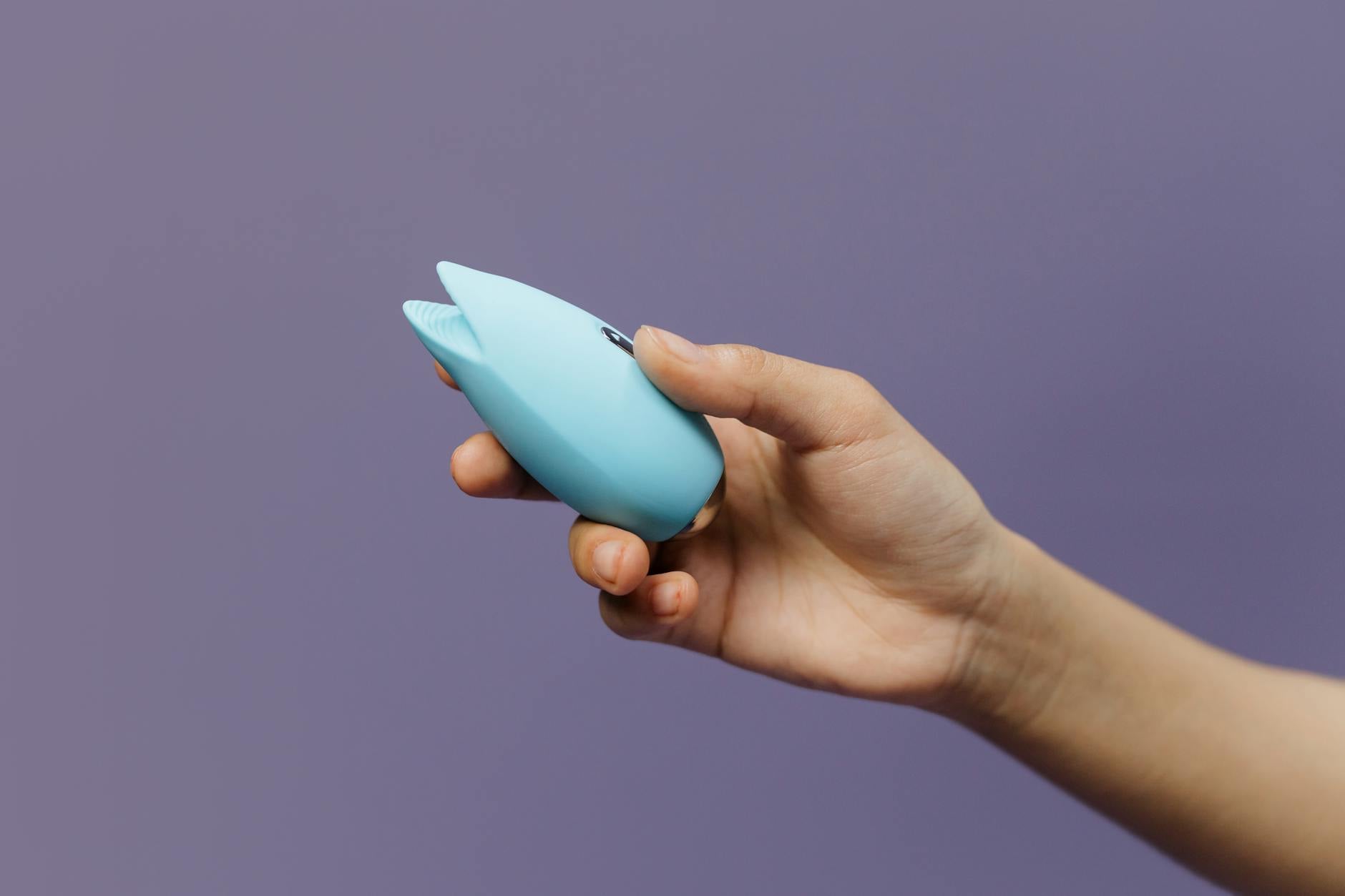
Most vibrators work through direct friction and sustained vibration. A lemon sucker, the core technology behind Hello Nancy's lem vibrator and other air-pulse toys, works differently. Instead of grinding or tapping against tissue, it creates a gentle suction and release cycle. That pattern stimulates nerve endings without the same mechanical pressure or friction that traditional vibrators require.
When your vulva is sore, friction is the problem. Suction is gentler. The sensation is more localized, less likely to aggravate already-inflamed tissue. You get stimulation and pleasure without the abrasion that would slow healing.
Other advantages for post-soreness use: you can control intensity with precision. Start at the gentlest setting and work up only if it feels good. There's no need for heavy pressure or sustained friction. The suction pattern itself is doing most of the work, which means your vulva can respond without you having to push harder or longer.
The preparation phase (before you use your lemon vibrator)
Three things to handle first:
Ice, then warmth. If soreness is acute (first 2-4 hours), ice reduces inflammation. A clean cloth soaked in cold water, or ice wrapped in soft fabric, applied for 5-10 minutes. After the acute phase passes, gentle warmth (a warm bath, a heating pad on low, even just warm water) increases blood flow and speeds healing. Both phases matter for recovery.
Anti-inflammatory support. An over-the-counter NSAID like ibuprofen taken 30-60 minutes before you use your lemon vibrator will help. Not because you need it for the vibrator itself, but because it reduces background inflammation, which lets you feel pleasure more clearly and gives your tissue a gentler environment to respond in.
Hydration and barrier balm. Make sure you're drinking water. Tissue heals faster when you're hydrated. And consider a light barrier balm like a fragrance-free lotion or a silicone-based intimate balm to reduce micro-friction. Water-based lubricant works too, but keep it to a thin layer. You want to reduce drag, not add thickness.
How to actually use your lemon clitoral vibrator while sore
Start at the lowest setting. I mean the absolute lowest. On a standard Hello Nancy lemon vibrator or other multi-speed air-pulse toy, that's typically pattern 1 or 2. Hover or apply barely any pressure. You're not trying to build toward orgasm yet. You're reintroducing sensation and pleasure in a way your healing tissue can actually handle.
Begin at the side or outer edges of the clitoral area, not directly on the most sensitive spot. Let the suction find the right angle without you forcing it. Move slowly. If it feels good, stay there for a minute or two. If it feels uncomfortable, stop and try a different area.
Duration matters. Five to fifteen minutes is plenty. You're not training for endurance. You're reconnecting with sensation in a way that supports, not fights, your body's healing process. Orgasm might come easily. It might not. Both are fine. The point is pleasure and reconnection, not performance.
If anything starts to hurt or burn, stop immediately. There's a big difference between "tender but good" and "actually uncomfortable." Soreness you can work with is like a dull ache that softens with gentle stimulation. Sharp pain or increased burning is your body asking for actual rest, not modified pleasure.
When to skip the vibrator and just rest
Certain situations call for genuine downtime, not modified play. If you have visible swelling, intense burning that doesn't ease with ice, pain during urination, or unusual discharge, your vulva needs real recovery. Skip the vibrator. Use ice, stay hydrated, wear soft cotton underwear, and consider calling a healthcare provider if it doesn't improve in 24-48 hours.
Also, if soreness comes with sharp or stabbing pain, numbness, or a sensation that something is torn or seriously wrong, stop. Trust that instinct. Your vulva communicates through sensation. Learning to listen to the difference between "tender but healing" and "genuinely injured" is part of long-term pleasure.
If you're prone to recurrent soreness, that's also a conversation worth having with a provider. It might be related to how your tissue is built, how you move during sex, insufficient arousal before penetration, or even something like a hormone shift that's changing your tissue composition. Once you know the root cause, you can adjust your approach.
The emotional part (just as important as the physical)
There's often shame attached to post-sex soreness. Like you did something wrong, or your body is broken, or you should just push through. None of that's true. Soreness is feedback, not failure. And finding ways to stay connected to pleasure while you heal, rather than cutting yourself off entirely, is actually emotionally healthy. It keeps you anchored in your own body. It reminds you that pleasure isn't an on-off switch.
For partners, this is a good time to communicate. "I'm a bit sore, but I want to stay connected. Can we try something gentler?" That conversation, and then following through with a modified experience you both enjoy, often deepens intimacy more than pushing past discomfort would.
FAQ
How long should I wait before using a lemon clitoral vibrator after soreness starts?
Most people can safely start with a lemon vibrator or other low-pressure toy within 4-6 hours of post-sex soreness, as long as the soreness is mild. If it's intense, wait 12-24 hours until the acute inflammation starts to ease. Always start at the lowest setting and go slowly.
Can a lemon sucker vibrator actually help soreness heal faster?
Gentle, low-pressure stimulation can increase blood flow to the area, which supports healing. So yes, using a lemon clitoral vibrator carefully during recovery might speed things up slightly compared to complete rest. But the key word is gentle. Heavy pressure or aggressive use will do the opposite.
Is water-based or silicone lubricant better when my vulva is sore?
Water-based lubricant is gentler on already-irritated tissue. Use less rather than more. A thin layer reduces friction without adding bulk. If you're using a silicone toy like some lemon vibrators, make sure your lube is water-based (silicone lube can degrade silicone toys).
What if soreness doesn't go away after three days?
That warrants a check-in with a gynecologist or sexual health provider. Persistent soreness can signal friction dermatitis, a yeast infection developing, or tissue trauma that needs actual treatment rather than time. Don't wait longer than 48-72 hours if it's not improving.
Can I use my lemon vibrator while sore if I use more lubrication?
Lubricant helps reduce friction, but it's not a complete solution. More lube can let you use the vibrator, but it doesn't address the fact that your tissue is inflamed and needs reduced stimulation overall. Start with lower intensity and shorter duration instead, using just enough lube to reduce drag.
Does the suction on a lemon clitoral vibrator feel different when I'm sore?
Yes. Sore tissue is more sensitive to pressure changes, so suction might feel more intense than usual. That's why starting at the absolute lowest setting is crucial. The sensation won't feel "wrong," just different. Lower intensity will let your body adjust.
The path forward
Vulva soreness after sex is common, temporary, and manageable. With the right tool, a bit of preparation, and clear communication with your body, you don't have to choose between recovery and pleasure. A lemon clitoral vibrator, used gently and at low intensity, lets you stay connected during the healing window. You're not pushing through pain. You're honoring both your need for recovery and your need for intimacy.
If soreness becomes a pattern, it's worth exploring the cause with a provider. But for the typical post-sex tenderness, you now have a clear path forward. Start low. Go slow. Listen to what your body is telling you. And remember: gentle pleasure during healing is not only safe, it's actually a form of self-care.
Have questions about using a lemon vibrator safely or managing soreness after sex? Get in touch.
Sources
American College of Obstetricians and Gynecologists. (2022). "Vulvodynia and Vulval Discomfort." Patient Education Resources.
Commission on Sexual Health and Reproductive Health Policy. (2021). "Mechanisms and Management of Post-Coital Discomfort in People with Vulvas." Journal of Sexual Medicine, 18(4), 672-689.
Okech, J., et al. (2019). "Microabrasion and Inflammatory Response in Genital Tissue Following Sexual Activity." Archives of Sexual Behavior, 48(7), 2143-2156.