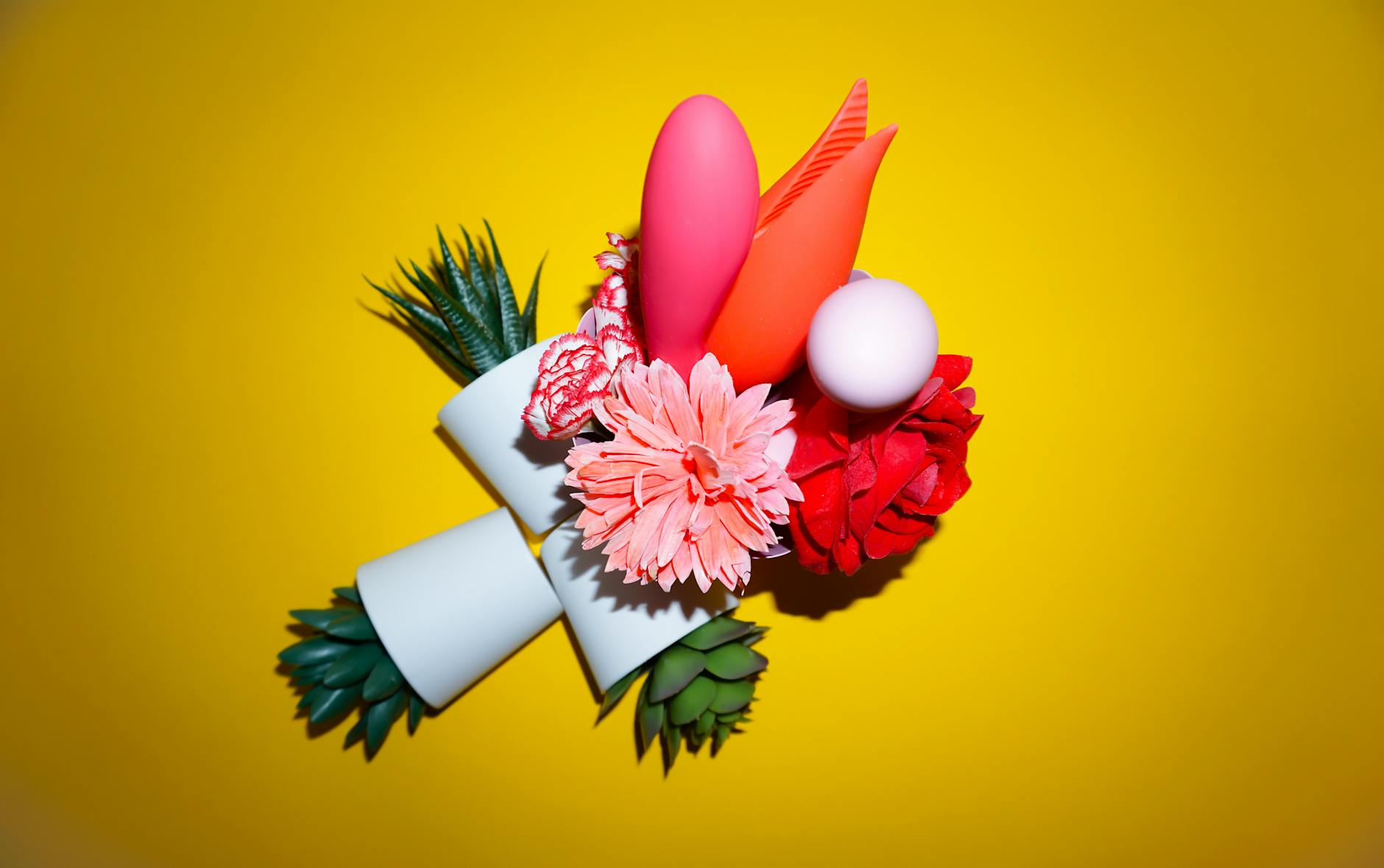
How to Use a Lemon Vibrator for Clitoral Sensitivity After 50
Here's what nobody tells you: your pleasure doesn't get smaller after 50. It gets different. And if you're willing to pay attention to those differences instead of fight them, your best orgasms might still be ahead of you.
Clitoral sensitivity changes in your 50s. The skin thins slightly. Nerve response takes longer to wake up. Direct stimulation that felt amazing at 35 might feel sharp or numbing now. But this isn't a loss. It's an upgrade invitation.
A lemon clitoral vibrator, especially one that uses air-pulse suction instead of traditional vibration, is one of the most intelligent tools for navigating this transition. I'm going to walk you through exactly why, and how to use one in a way that honors what your body has become.
What Actually Changes in Clitoral Sensitivity After 50
Let's start with the anatomy. Your clitoris has over 8,000 nerve endings packed into a structure roughly the size of a pea. After 50, three things shift.
First, the skin around and on the clitoris gets thinner as estrogen drops. That doesn't mean it's fragile. It means direct, high-intensity friction that used to feel good can now feel raw or overstimulated. Some women describe it as "numbness" when really it's oversaturation. The nerves are there. They're just signaling differently.
Second, arousal takes longer to build. Your clitoris still engorges with blood during arousal, but the process is slower. What took 5 minutes at 30 might take 15 minutes at 55. This is normal. It's not broken. It's just different timing.
Third, orgasm patterns often shift. You might notice that orgasms feel more localized (concentrated in the clitoris) rather than diffuse. You might need a different rhythm or pressure to reach one. Some women experience multiple orgasms for the first time after 50 because the refractory period shortens. The point: there's no "should" here. Your pleasure architecture is just reorganizing.
Why Air-Pulse Lemon Vibrators Work Better for Sensitive Tissue
Traditional vibrators buzz. They move back and forth really fast. For tissue that's thinning and more sensitive, that friction can feel like static rather than pleasure.
Air-pulse technology (which Hello Nancy's lemon vibrator uses) works differently. It creates a gentle suction that pulses rhythmically. Think of it less like a jackhammer and more like a soft mouth. The stimulation is broader, less direct, and because there's no friction against the tissue itself, it doesn't create the same numbing sensation you might get from a traditional clitoral vibrator.
For people over 50, this matters. You get intense stimulation without the harshness. The suction engages nerve clusters across a wider area instead of hammering one specific point. It's why so many of my clients say: "I didn't think I could feel this anymore," after trying an air-pulse tool.
Here's something else: air-pulse lemon toys have longer battery life and gentler learning curves than high-frequency vibrators. You don't need to jump straight to intensity level 5. You can start at level 1 or 2 and explore what your body actually wants instead of what you think you should want.
How to Start: The First-Time Setup
If you've never used an air-pulse lemon vibrator, the setup is simple but worth doing right.
Charge it fully before your first use. A lemon clitoral vibrator typically charges in 60 to 90 minutes and holds a charge for weeks of regular use. Don't skip this step. A fully charged device performs better.
Wash it with warm water and a touch of soap. Let it dry completely. The sensation of a cool, clean device is part of the pleasure. Don't underestimate the power of that small ritual.
Clear at least 20 to 30 minutes for exploration. You're not trying to have an orgasm. You're learning what different intensities and patterns feel like on your body. Pressure is off. Curiosity is on.
Use a water-based lubricant. Even if you don't think you need it, a tiny amount (about the size of a pea) changes the experience. It reduces friction between the device and your skin, which is especially important if tissue is thinner. Water-based lube is safe with silicone toys and rinses completely.
Technique: Finding Your Intensity Sweet Spot
Start at level 1. Place the lemon vibrator's opening directly on your clitoris. Don't press hard. Let the suction do the work.
If nothing happens in 30 seconds, try a very slight rocking motion. Tiny movements. You're not thrusting. You're helping the suction create a gentle seal. Many people find that subtle positioning matters more than pressure.
Wait. Yes, wait. Arousal takes longer after 50. Give your body 3 to 5 minutes at level 1 before you consider moving to level 2. You might be surprised how much sensation builds with patience.
When you move up intensities, move one level at a time. The difference between level 3 and level 5 is significant. There's no rush. The most pleasure usually lives in the steady, sustainable range, not the maximum setting.
Pay attention to patterns. Most air-pulse lemon toys have a few different pulse rhythms. Some are steady. Some pulse faster. Some pulse then pause. You might find that one rhythm triggers arousal while another feels flat. Your job is to notice, not to force yourself to like what you think you should like.
If you feel numbness creeping in, stop. Drop back to level 1 or 2, or take a 5-minute break. Numbness is your body saying: "This is too much, too fast." That's not failure. That's communication. Listen to it.
When to Use Lubricant and How Much
Water-based lubricant makes an enormous difference with lemon clitoral vibrators, especially for people over 50 who might have less natural lubrication.
You don't need much. A small amount (pea-sized) at the opening of the device before you apply it to your clitoris is enough. Too much lubricant can actually reduce the suction effect, so start minimal and add more only if the seal feels loose.
Reapply if you're using the device for more than 10 to 15 minutes. Lube gets absorbed or dries slightly over time. You'll feel the difference when it's time to add more.
If you're exploring with a partner, water-based lubricant also makes it easier for them to help position the lemon vibrator. If you're used to <a href="/blog/how-to-use-lemon-vibrator-with-lubrication-guide">using a lemon vibrator with lubrication</a> for other kinds of stimulation, the same rules apply here.
The Orgasm Question: Timing and Realistic Expectations
Let me be direct: orgasms after 50 don't always happen on command, and that's okay.
Some women orgasm more easily with an air-pulse lemon vibrator than they ever have. Some take longer. Some feel less intense than they remember. Some feel completely different but equally satisfying.
What I've noticed in my practice is that the women who have the best experience with lemon clitoral vibrators after 50 are the ones who let go of the "outcome" frame. You're not trying to achieve. You're exploring sensation. The orgasm is a potential bonus, not the job.
That said, if you're not reaching orgasm after 15 to 20 minutes of consistent stimulation at a comfortable intensity level, consider these adjustments:
- Extend your warm-up. Some bodies need 20-25 minutes of arousal before orgasm is even possible. Watch an erotic video or read something that turns you on first.
- Combine stimulation. Solo air-pulse clitoral vibrators work brilliantly. They also work better sometimes when paired with internal stimulation or partnered touch.
- Experiment with angles. A tiny shift in how the device sits against your clitoris can change everything.
- Talk to your doctor. If orgasm has completely disappeared and you're concerned, that's worth a conversation with a menopause-informed provider. Hormonal changes, medications, and other factors sometimes play a role.
Building a Solo Practice: Consistency and Confidence
If you're exploring solo, consistency beats occasional intensity.
Using your lemon vibrator two or three times a week gives your nervous system a chance to learn. Pleasure is partly physiological and partly neurological. Your brain needs to remember what turns you on. After 50, that remapping can take a few weeks.
Keep notes if you want. Not required, but useful. Which intensity did you prefer? Which pattern? How long until you felt something? What time of day works best for your body? You're building a map of your own pleasure. That map is worth having.
Don't judge yourself if the first few times feel awkward or unrewarding. Most people feel weird the first time they use any new tool, especially a clitoral vibrator. By session five or six, awkwardness usually transforms into confidence.
Partnered Use: Bringing a Lemon Vibrator Into Couples' Play
If you have a partner, you don't have to use your lemon clitoral vibrator solo. Many couples find that incorporating air-pulse vibrators deepens their intimacy.
Talk about it first. Not during sex. Beforehand. Something like: "I've been trying this new toy that feels amazing, and I'd like to explore it with you sometimes." Partners who feel included in the decision are much more likely to be excited about it.
When you do explore together, let your partner help with positioning. It's easier for someone else to hold the device steady while you focus on sensation. They might also enjoy watching your face or body as you respond. That shared attention is part of the intimacy.
If you're interested in deeper exploration, <a href="/blog/best-lemon-clitoral-vibrators-for-partners-who-want-to-explore-together">lemon clitoral vibrators for partners who want to explore together</a> open up new possibilities. Some couples find that air-pulse vibrators help them rediscover pleasure together after years of routine.
Maintenance and Longevity
A Hello Nancy lemon vibrator is an investment. Treating it well means years of reliable use.
Wash it with warm water and mild soap after each use. Pat it dry with a soft cloth. Let it air-dry completely before storing (about 10 minutes).
Store it in a cool, dry place. A drawer, a small silk pouch, a bedside table. Not in direct sunlight or extreme heat. Silicone is stable, but why rush aging?
Charge it when the battery gets low, not when it's completely dead. Most modern devices have smart charging that stops overcharging, but you'll extend battery lifespan by not draining it completely every time.
If you travel with your lemon vibrator, use a small water-resistant pouch. TSA allows sex toys in carry-on and checked luggage, so you don't have to leave it behind.
A well-maintained lemon clitoral vibrator stays soft, responsive, and effective for years. That's the investment you're protecting.
Troubleshooting: What to Do If It Doesn't Feel Right
The suction feels weak. Make sure the opening is clean and the device is fully charged. A thin layer of lubricant helps the seal. If it's still weak, the seal might not be forming. Try a slightly different angle or position.
I feel numb or over-stimulated. Drop to a lower intensity, take a break, or switch to a pattern with longer pauses between pulses. Numbness is a sign you've crossed your threshold. Back up.
It takes forever to feel anything. Your body might just need more warm-up time. Extend your arousal period before you introduce the device. Also consider using it every other day for a week or two. Consistent, gentle exploration often works better than sporadic sessions.
I think I need internal stimulation too. That's common and totally valid. Combining clitoral and internal stimulation creates different sensations. If that's what your body wants, explore it. No single tool needs to do everything.
The Bigger Picture: Pleasure After 50 Is Not Negotiable
Using a lemon clitoral vibrator after 50 is not a workaround for aging. It's an acknowledgment that your body deserves attention and care at every stage of life.
Your pleasure matters now exactly as much as it mattered at 30. The path to it has changed. The destination is just as real. Tools like air-pulse lemon vibrators exist because smart engineers and thoughtful sex educators recognized that clitoral sensitivity evolves and deserve tools that evolve with it.
If you're exploring a lemon vibrator for the first time after 50, you're doing something brave and worth celebrating. You're saying: "My body still deserves pleasure. I'm willing to learn how it works now."
That's the real power here.
FAQ: Your Questions About Lemon Vibrators and Clitoral Sensitivity
Is an air-pulse lemon vibrator better than a traditional vibrator for sensitive skin after 50?
For most people with thinning or sensitive tissue, yes. Air-pulse technology creates suction-based stimulation instead of friction, which means less wear on delicate skin and often less numbness. That said, every body is different. Some people still prefer traditional vibration. The only way to know is to try both and notice what feels better for you.
How long does it take to feel pleasure with a lemon clitoral vibrator for the first time?
There's no standard timeline. Some people feel strong sensation within a few minutes. Others take 10 to 15 minutes of exploration before their body wakes up. A lot depends on how much foreplay or arousal happened before you use the device. If you jump straight from neutral to toys, it'll take longer. If you spend time getting aroused first, the device amplifies what's already building. Most people report better results by session three or four, once the initial awkwardness wears off.
Can I use a lemon vibrator if I'm on hormone replacement therapy?
Yes. HRT changes how your tissue responds, but it doesn't make vibrators unsafe. In fact, many people find that HRT improves sensation and makes pleasure easier. If you're on HRT and exploring a new toy, you might notice your sensitivity improves over a few months as your body adjusts to the hormones. That's normal.
What's the difference between different intensity levels on a lemon sucker?
Lower levels (1-2) are soft, exploratory, and good for learning. Mid levels (3-4) are where most people find sustained pleasure without oversaturation. Higher levels (5+) are intense and can cause numbness if used too long. Most people don't need the highest settings. Think of intensity like volume on a speaker. You want to hear the music, not blow out your eardrums. Start low, build to what feels good, and stay there.
If I have a partner, should I use my lemon vibrator alone first or explore it together immediately?
Alone first. You want to understand how your body responds and what feels good before adding the variable of a partner's presence or expectations. Once you know what you like, sharing that knowledge with a partner becomes much easier. You can say: "I like it best at level 3 with the slow pulse pattern," instead of fumbling around together. That clarity actually makes partnered exploration hotter.
How do I know if I'm using too much intensity?
Numbness is the signal. If you're using a lemon vibrator and the sensation fades or becomes dull instead of building, you've crossed your intensity threshold. Drop back down one or two levels. Take a break. The goal is sustained, building pleasure, not maximum power. Your best orgasms probably don't live at the highest setting anyway.
Your pleasure doesn't have an expiration date. Lemon vibrators, especially air-pulse clitoral vibrators designed by brands like Hello Nancy, exist because your sensitivity after 50 deserves tools that honor how your body works now.
Ready to explore? Start with curiosity. Stay with patience. Trust what feels good. That's the entire formula.
If you have questions about technique or your own pleasure practice, <a href="/contact">reach out to our team</a>. We're here to help you navigate this transition with confidence.