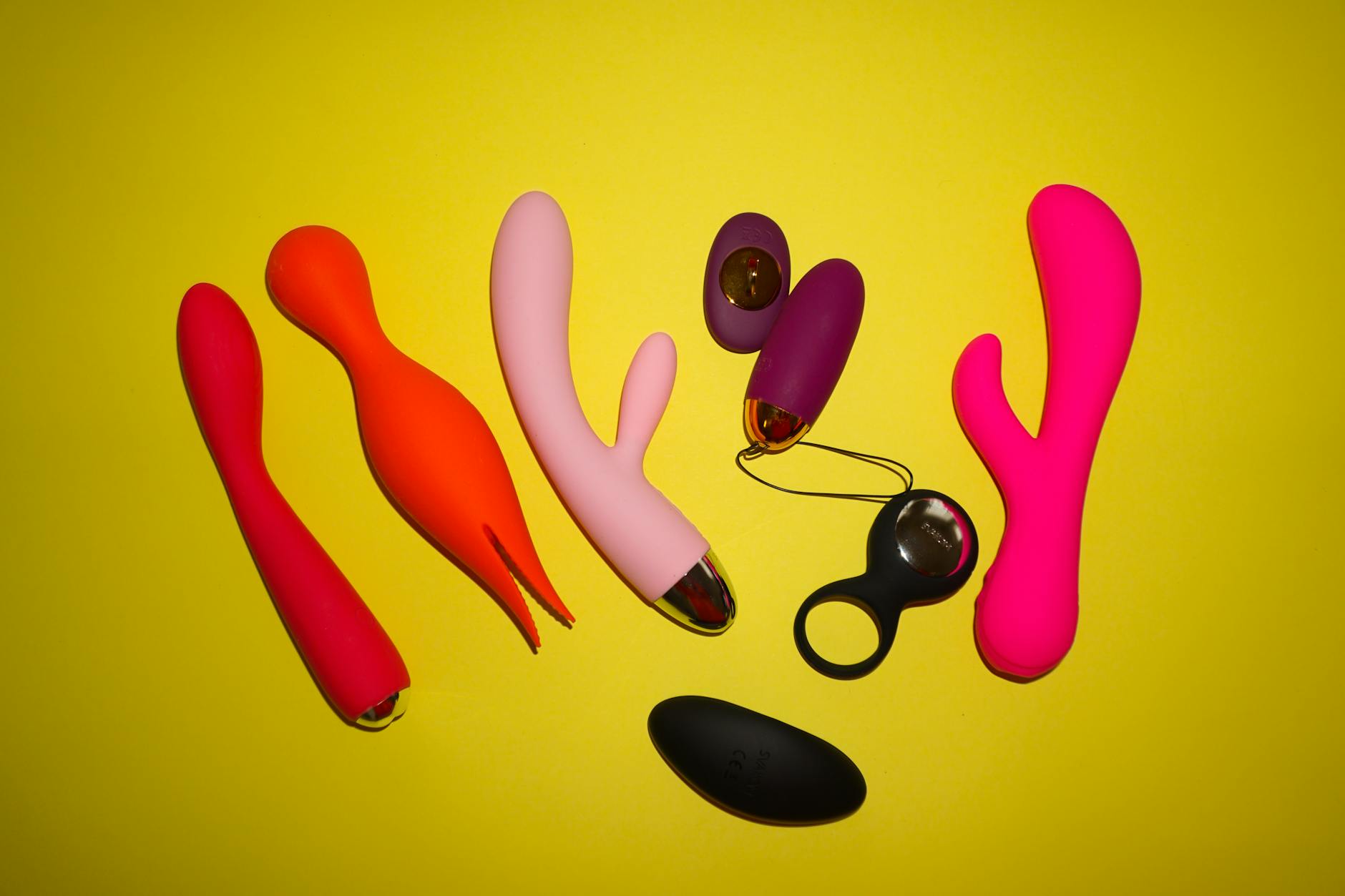
Let's start with the honest part
Touching feels wrong sometimes. Not wrong morally, but physically intolerable. Your skin crawls at a partner's hand, direct stimulation reads as sharp instead of pleasurable, or anything that feels "too much" sends you straight into shutdown mode. That's not broken. That's your nervous system doing its job a little too well.
Here's the thing: traditional vibrators often make this worse. They're loud, intense, and demand direct, sustained contact exactly where you're most sensitive. A lemon clitoral vibrator works differently. The suction-based design of something like the Lem distributes sensation across a broader area, reduces the feeling of invasive direct pressure, and gives your nervous system space to recalibrate.
I've worked with dozens of clients where touch sensitivity was the real barrier to pleasure, not desire or capacity. Once they understood why their body was rejecting contact, and found the right tool, everything shifted.
What causes touch to feel overwhelming
Sensory overload during arousal isn't one thing. It's usually a combination:
Anxiety dysregulation. Your nervous system stays partly in fight-or-flight even when you're trying to relax. Direct touch reads as a potential threat, triggering protective flinching instead of pleasure signals. This is common after stress, relationship conflict, or health anxiety.
Hypervigilance. If you've spent time monitoring your body for pain or discomfort, your nervous system learns to flag any intense sensation as "check this." Arousal is already intense. Add hypervigilance and it becomes overwhelming.
Sensory processing differences. Some people's nervous systems genuinely process touch with more intensity than average. Autism spectrum traits, ADHD, or just individual neurotypes can mean normal pressure feels almost painful. You're not less capable of pleasure. You're working with different thresholds.
Medication side effects. Certain antidepressants, antihistamines, and blood pressure meds can increase skin sensitivity or dull proprioception, making touch feel strange and jarring.
Hormonal fluctuation. In the week before menstruation or during perimenopause, touch sensitivity can spike dramatically. Tissue becomes more fragile. Nerve endings feel more exposed. The same touch that felt fine last week now feels like too much.
None of these mean you should accept dead pleasure. They mean you need a different approach.
Why air-suction vibrators solve this differently
A lemon vibrator, particularly a suction-based design like the Lem, works by creating gentle pulses of air and suction around the clitoris rather than through direct vibration. Here's why that matters when touch feels overwhelming:
Lower directional intensity. Vibration sends shockwaves straight into tissue. Suction disperses sensation. You get stimulation without the jackhammer effect. Your nervous system reads it as more diffuse, more manageable.
Adaptive pressure. You control exactly how much suction you want. Light pulse, medium pulse, or stronger. This gives you agency in the moment. That sense of control alone can calm an anxious nervous system.
Broader stimulation area. Instead of focusing pressure on one hypersensitive point, suction engages the broader clitoral complex. Less intensity in one spot means less triggering overall.
The novelty reset. If your body has been rejecting traditional vibration for months, the sensation of suction feels genuinely different. That newness can interrupt the learned "no, shut down" response and create space for pleasure.
I've had clients describe it as "like going back to the beginning," which is exactly right. You're not forcing the old thing harder. You're trying something your nervous system hasn't already rejected.
How to start when direct touch makes you flinch
Timing matters. Don't try this when you're already dysregulated.
Step 1: Ground first. Before you even think about arousal, spend 10 minutes in a regulated state. Take a shower, do some stretching, listen to music you love. You can't rewire your nervous system while it's already firing. You're working from a baseline of calm.
Step 2: Build arousal slowly without pressure. Spend 15-20 minutes on non-genital touch. A warm blanket, your own hands on your legs, your partner kissing your neck. The goal is arousal, not orgasm. You're teaching your body that pleasure exists without genital contact.
Step 3: Introduce the Lem at a low setting, over underwear first. This is not some weird workaround. This is scaffolding. The fabric barrier softens the sensation and gives you permission to experience it as less intense. Set the lemon vibrator to pattern 1 or 2. Spend a few minutes here, just noticing.
Step 4: Remove underwear gradually, not all at once. Once you're comfortable with sensation over fabric, try direct contact on just the outer clitoris (not the sensitive head). Start with the lowest suction setting. Again, a few minutes of noticing.
Step 5: Build intensity only if your body asks for it. Don't follow a timeline. Some people spend a week here. Some spend a month. The moment you feel overwhelm creeping in, turn it down. Your nervous system is learning that you're safe and in charge.
The partner conversation
If you're doing this with someone else in the room, they need to understand what's happening. This isn't a performance issue or a sign you don't want them. You're literally recalibrating your sensory processing.
Tell them: "I'm working on making my nervous system feel safer with sensation. I'm going to go slow with this. It's not about you, and I might need you to step back while I figure this out."
A good partner will get curious about it rather than defensive. Some couples find that sitting nearby while you explore on your own, without pressure or expectation, feels intimate in a different way. You're trusting them with vulnerability. That matters more than simultaneous pleasure right now.
When numbness is the real problem
Sometimes the opposite happens: touch feels like nothing. You're waiting for sensation that never arrives. A lemon clitoral vibrator actually helps here too, because the suction creates a different sensation pathway than vibration. If your nervous system has tuned out traditional vibration, the novelty of suction can wake things up.
Start the same way. Slow. Intentional. But with lower suction settings, you're feeling for subtle pleasure instead of overwhelming it. Many people are surprised at how much sensation they recover once they stop forcing the old methods.
The long game: nervous system resilience
This isn't about becoming numb to sensation or forcing yourself through discomfort. It's about gradually expanding your window of tolerance so that pleasure-level touch feels safe instead of threatening.
Each time you experience a moment of comfort with sensation, your nervous system learns. Next week, the same setting might feel milder because you've had a successful experience. That's not your sensitivity decreasing. That's your threat detection dial turning down slightly because you've proven you're safe.
This process takes time. But it works. I've seen clients move from unable to tolerate any direct touch to genuinely enjoying partner sex and solo pleasure within a few months, just by choosing the right tool and approaching it with patience.
Your pleasure matters. Your nervous system's job is to protect you. These things aren't in conflict. A lemon sucker just helps translate between them.
People also ask
What's the difference between a lemon sucker and a regular vibrator for sensitive skin?
A lemon vibrator uses suction pulses instead of direct vibration, which disperses sensation across a broader area. This is gentler on sensitive tissue and gives your nervous system less sharp input to process. Regular vibrators send concentrated vibrations straight into tissue, which can feel overwhelming if you're already dysregulated. A clitoral vibrator like the Lem lets you control the intensity and sensation pattern much more precisely, which matters when you're rebuilding confidence in your body.
Can I use a lemon clitoral vibrator if I have chronic pain or fibromyalgia?
Yes, but approach it the same way: start at the lowest setting, potentially over underwear, and build slowly. The suction design actually tends to work better for pain-sensitive people than vibration does because it's less jarring. That said, your individual pain response is unique. What works for one person might not work for another. If regular vibrators have triggered pain flares before, the Lem's gentler sensation profile might be your answer. Start small and listen to your body's feedback.
How long does it take for my nervous system to stop rejecting touch?
There's no standard timeline. Some people feel a shift in 2-3 weeks of consistent, gentle exploration. Others need 2-3 months. It depends on how long your nervous system has been in protection mode, what triggered it, and how much you're practicing. Consistency matters more than intensity. Using a lemon vibrator once a month won't reset your system. Using it 2-3 times a week in a regulated, low-pressure way absolutely will.
Can I use a lemon sucker with a partner, or is it just for solo play?
Absolutely both. Some couples find that partner-guided suction feels less threatening than partner-guided vibration because the sensation is less aggressive. Your partner can hold the Lem while you give feedback on intensity and pace. This adds an intimacy element because you're collaborating rather than performing. Just make sure you've done some solo exploration first so you know what feels good. That way, communication is easier.
What should I do if I still feel overwhelmed after starting with the lemon vibrator?
First, that's information, not failure. It means your nervous system needs even more time or a different approach. Try: (1) Shorter sessions, maybe 5 minutes instead of 15. (2) Using the lemon vibrator over clothing exclusively for longer. (3) Pairing it with grounding (playing music, having a weighted blanket, holding ice). (4) Slowing your breath intentionally during use. If none of that helps after a few weeks, talking to a therapist who specializes in somatic therapy or trauma-informed approaches could be valuable. Sometimes nervous system dysregulation needs professional support alongside tools.
Is a lemon adult toy good for building confidence after avoiding sex for a long time?
Yes. The anonymity of solo exploration with a lemon sexual toy lets you move at your own pace without performance pressure. You're not trying to be desirable or coordinated. You're just noticing what feels good. That rebuilds trust in your own body and pleasure signals. Many people then feel more ready for partner connection because they're not coming to it from a place of "I'm broken." They're coming from "I know what works for me."
The bottom line
When your skin crawls at touch or sensation feels too intense to enjoy, the issue isn't that you've lost the capacity for pleasure. It's that your nervous system is working in protection mode and you need a tool that feels gentler. A lemon clitoral vibrator, with its suction-based design and controllable intensity, often feels like the right reset button.
The real work is patience. Start slow. Trust the process. Your nervous system learned to reject touch for a reason. It can learn to accept it again, especially when you're giving it the right conditions and the right tool.
If you want to talk through what might work best for your specific situation, reach out. We're here to help you find your way back to pleasure that actually feels good.
Contact us to chat about what might work for you, or browse our full collection of clitoral vibrators to explore options that suit your needs.