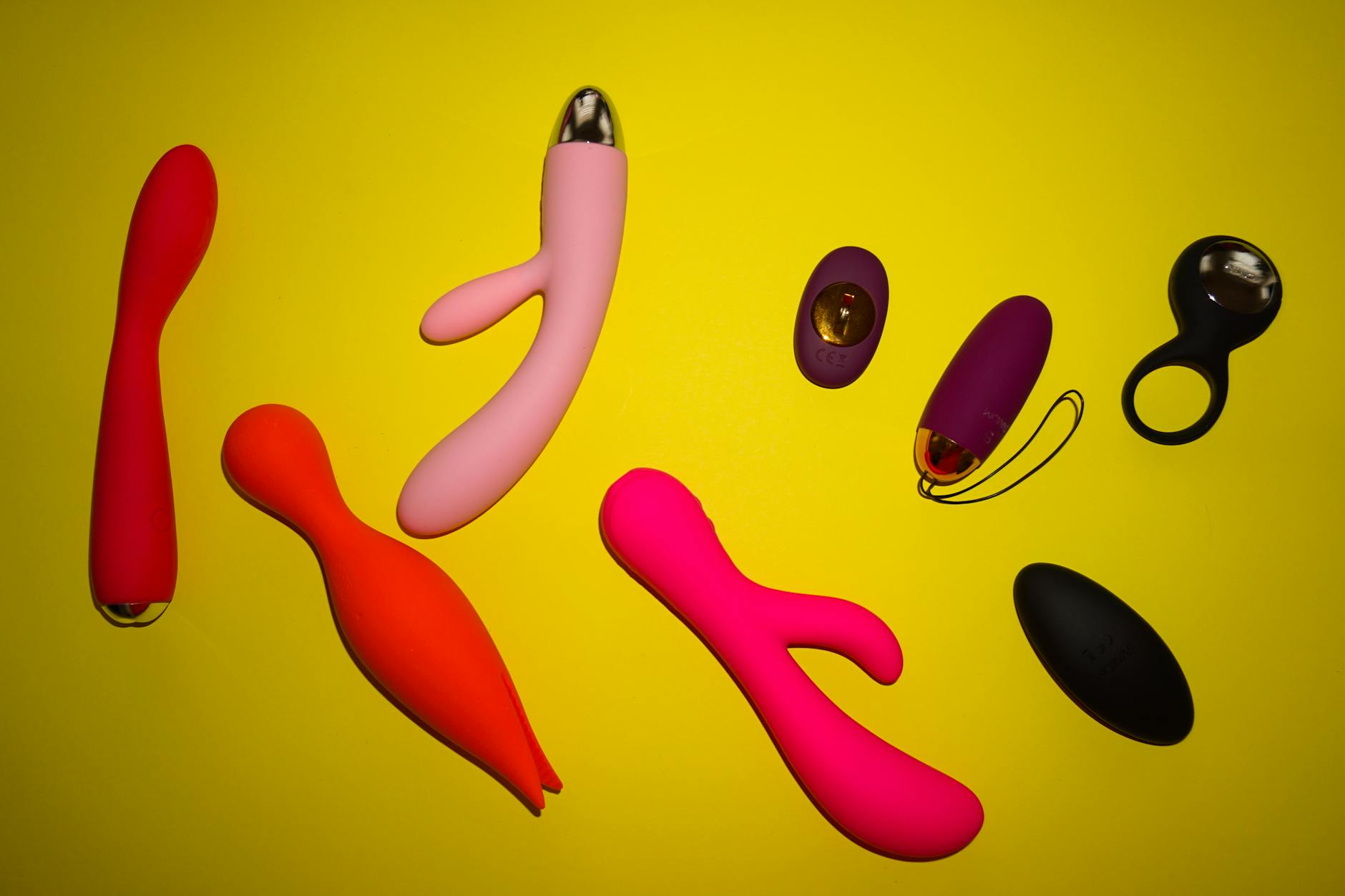
How to Use a Lemon Vibrator for Better Orgasms After Stopping Birth Control
Let's be real: hormonal birth control changes your baseline pleasure. Not always in obvious ways, but it's there. When you quit, your brain and body go through a recalibration that can feel wildly disorienting. Your arousal might spike. Your orgasms might feel different. The tissues down there might behave like they're completely new. This is not you breaking. This is you waking up.
The tricky part is that most people don't expect the pleasure shift to be quite so noticeable. You spent years on hormones that flattened your libido, dulled your sensation, or made orgasm harder to reach. Then you stop taking them, and suddenly your nervous system is flooded with signals it hasn't fully experienced in a decade. A lemon clitoral vibrator becomes genuinely useful here, not because anything is wrong with you, but because your body needs a steady, reliable external signal to help it remember how pleasure works.
I want to walk you through what's actually happening physiologically when you stop birth control, why sensation feels scrambled, and exactly how to use a lemon vibrator to rebuild that connection with your own pleasure.
What Birth Control Actually Does to Pleasure
Hormonal contraceptives suppress ovulation by raising baseline estrogen and progesterone. The side effect nobody talks about: those hormones also suppress testosterone production. For everyone, testosterone is a major driver of desire, clitoral sensitivity, and the speed at which arousal builds. When it's suppressed, your whole pleasure response gets quieter.
Second, the pill and other hormonal methods can reduce genital blood flow. Arousal works partly through vasocongestion, the rush of blood that makes tissue swell and become more sensitive. Less blood flow means less sensation, a harder orgasm to reach, or orgasms that feel less intense when they do arrive.
Third, some people on birth control experience a flattening of emotional connection. Not everyone, but if you've been cycling through partners or relationships while on hormones, you might not fully know what genuine desire feels like when your brain chemistry is running on its own fuel.
Here's the thing though: all of this is reversible. Within weeks of stopping, testosterone starts climbing again. Blood flow normalizes. Your nervous system rewires itself. The problem is that rewiring is uncomfortable. Your body has forgotten its own rhythm.
The First Two Weeks: Expect Chaos
When you first quit birth control, expect 10-14 days of hormonal freefall. Your brain is no longer receiving synthetic hormones. Your ovaries are waking up. Estrogen spikes, testosterone spikes, and your nervous system is basically being asked to learn how to regulate itself again after years of pharmacological hand-holding.
During this window, pleasure can feel unpredictable. One day you're wildly horny. The next day you're not interested at all. Orgasm might feel impossibly hard to reach. Or you might have multiple orgasms and wonder what the hell just happened. This is normal. It's not permanent. And it's a sign that your body is healing.
My recommendation: this is not the time to pressure yourself into solo play or partnered sex. Let your body settle for a week or two. If you're curious about touch, keep it gentle. A lemon vibrator is not your goal right now. Your goal is rest and observation.
Weeks Three to Eight: Reintroduction Phase
After the initial hormonal chaos, your cycle usually stabilizes into something recognizable. This is when I suggest you slowly start exploring sensation again. And this is where a lemon clitoral vibrator becomes genuinely valuable.
Why the Lemon specifically? Its air-suction design is forgiving. It doesn't require direct pressure, which means it won't overwhelm tissues that are already in a state of high sensitivity. It stimulates the clitoris through gentle suction rather than vibration alone, which gives you a different sensory profile than traditional vibrators. If your pleasure response has been dormant, that variation is exactly what wakes it up.
Start small. Set aside 15-20 minutes when you know you won't be interrupted. Use water-based lube. Begin on the lowest setting. The lemon vibrator is designed to be intuitive, so you're not figuring out complicated controls. You're just letting your body reacquaint itself with what pleasure actually feels like.
You might not orgasm. That's fine. The point of this phase is sensation, not outcome. You're asking your clitoris, "Hey, remember this?" Some women report that orgasms feel different immediately. Some say it takes three or four sessions before sensation snaps back into focus. Both timelines are completely normal.
Why Sensation Feels Scrambled
Even if you expected some changes, the specifics can feel jarring. Your orgasms might feel sharper or more widespread. They might hit faster than they used to. They might take longer. The intensity might be different. Your arousal might show up in places it didn't before.
This is because your nervous system has literally reorganized itself around the hormone levels you were maintaining with birth control. Now that those hormones are gone, the neural pathways are resetting. Your brain is being flooded with testosterone-modulated signals it hasn't fully processed in years. Of course it feels weird. You're basically a teenager again, except with an adult's expectations about how this should feel.
Using a lemon vibrator during this phase is helpful because it gives you consistent, predictable input while everything else is in flux. The sensation becomes an anchor point. You're not trying to force pleasure back into the exact same shape it was. You're letting your body show you what it actually wants now.
The Partnered Conversation
If you have a partner, this transition is worth discussing before it becomes a problem. "My pleasure response is going to be different for a few weeks" is a conversation that prevents frustration, miscommunication, and shame spiraling later.
Your partner might notice that you're less interested in sex. Or more interested. Or interested at different times of the month than you were before. These shifts are real, and they're temporary. Having that conversation early means they're not taking it personally, and you're not performing pleasure you don't feel.
Some couples find that explicitly introducing a lemon vibrator into partnered sessions actually helps both people stay present. It's not about replacing anybody. It's about giving you a tool that helps your body access its own responses, which then gives your partner access to the more authentic version of you. That's better sex for everyone.
Building Your Practice Over Months
Full sensation recovery after stopping birth control usually takes two to three months. Your cycle has returned. Your hormones are stable. Your nervous system has reorganized. By month three, you'll recognize yourself in your own pleasure again.
During those three months, using a lemon clitoral vibrator regularly helps accelerate that reconnection. Aim for once or twice a week. Build it into your routine the way you'd do any self-care. This is not indulgence. This is rehabilitation.
Some women find that solo play with a lemon vibrator helps them figure out exactly what they want before bringing a partner back into the equation. You get to explore at your own pace, with your own pleasure as the only success metric. That information becomes genuinely valuable when you're navigating partnered sex again.
If you've been doing this for three months and sensation still feels muted or off, that's worth checking in with your doctor about. Sometimes coming off hormonal birth control unmasks other sensations or issues that need attention. A pelvic floor physical therapist or gynecologist familiar with sexual health can help you figure out whether this is normal hormonal adjustment or something that needs support.
Managing Expectations Around Partner Sex
Here's a thing I see frequently: someone stops birth control, their desire returns, they try to jump back into partnered sex with the intensity level they remember, and then they're disappointed because sensation still feels different.
The shift from hormonally suppressed pleasure to your true baseline can take longer with a partner than it does solo. Solo pleasure is direct feedback to your own nervous system. Partnered sex involves communication, coordination, and a thousand micro-negotiations of what both people actually want. It's more complex. It takes longer to recalibrate.
Using a lemon vibrator during partnered sex during this transition period is not a workaround or a sign that something is broken. It's a bridge. It gives your body reliable input while you and your partner are rebuilding the pleasure-based communication between you. Some couples find that introducing a vibrator at this exact moment is the most natural time to do it, because the reframing is already happening anyway.
What You Might Notice Month One Through Month Three
Week one to two: hormonal chaos, unpredictable desire, sensitivity through the roof.
Week three to four: desire starts stabilizing, solo exploration begins to feel safe again.
Month two: orgasms feel more accessible, sensation is clarifying, you're starting to recognize your own pleasure patterns again.
Month three: your cycle is regular, your baseline pleasure feels stable, and you've rebuilt enough familiarity that partnered sex feels less like foreign territory.
If you're tracking your sensations with a lemon vibrator through each phase, you'll have data that tells you what's happening. Some women notice that sensitivity peaks right before ovulation. Some notice that orgasm quality improves right after their period. This information matters. It helps you sync pleasure practices with your body's actual cycle.
FAQ: Common Questions About Pleasure Recovery After Stopping Birth Control
Does stopping birth control always increase libido?
No. Some people's desire skyrockets. Others find that their libido stays about the same, but the quality of orgasm improves. Some people experience temporary decreases in desire as their body rebalances. The most common pattern is a brief dip followed by an increase within four to six weeks.
How long until everything feels normal again?
Full hormonal and neurological rebalancing usually takes 2-3 months. But many people report noticeable changes within 2-4 weeks. If you're not noticing anything by month three, check in with your doctor. Sometimes sensation changes signal other health shifts worth investigating.
Is it normal for orgasms to feel different immediately?
Completely normal. Your testosterone levels surge almost immediately after stopping hormones, and testosterone directly affects orgasm intensity and speed. Some people describe it as more intense. Some describe it as sharper, more localized, or faster. All of these are typical.
Why does a lemon clitoral vibrator work better than other toys right now?
The air-suction design of a lemon vibrator stimulates through gentle suction rather than direct vibration or pressure. When your tissues are already sensitive and your nervous system is in a state of high alert, that gentleness is an advantage. It wakes sensation without overwhelming it. That said, if you have a vibrator you love, keep using it. The goal is consistency and pleasure, not a specific tool.
What if I'm on birth control because I need it for hormone regulation or other health reasons?
This post applies if you're coming off hormonal birth control by choice. If you're stopping for health reasons, talk with your doctor about managing the transition. Some people benefit from a short taper rather than quitting cold turkey. Some benefit from other interventions that support pleasure during the adjustment period. Your healthcare provider can help you navigate.
Should I tell my partner I'm using a vibrator to reconnect with pleasure?
If you're in a partnered relationship and comfortable sharing, yes. This conversation is easier if you frame it as information: "My body is recalibrating, and I'm using this tool to understand what I need." It's not about your partner or your relationship. It's about you learning yourself again. That transparency prevents shame and actually builds intimacy.
The Bigger Picture
Stopping hormonal birth control is a massive shift. Your body is returning to its native state, and that can feel disorienting. Using a lemon clitoral vibrator during this transition isn't about fixing anything. It's about meeting your body where it actually is and letting pleasure rebuild at its own pace.
The first time you have an orgasm after stopping birth control and it feels unmistakably yours, you'll understand what I mean. That's not better or worse than what you felt on hormones. It's just yours. And that matters.
If you're navigating this transition and want more support, our buying guide walks you through choosing a vibrator that matches your current pleasure profile. And if you're dealing with relationship questions around this shift, reach out to us at /contact. We're here to help you reconnect with yourself.