Here's what nobody tells you about sex after pelvic floor surgery
Your body is healing. That's the main thing. But for most people, the bigger question is: will pleasure come back? And if so, what does it feel like?
The answer is yes, and it's often different. Different doesn't mean worse. But it does mean you need a game plan.
What pelvic floor surgery changes
Pelvic floor surgery (whether it's a hysterectomy, bladder lift, or other pelvic procedure) disrupts the nerve pathways that carry sensation and pleasure signals. The tissue is swollen, stitched, and protective at first. Your nervous system is working overtime trying to heal.
In the months after surgery, several things happen:
- Touch feels duller or even painful initially.
- Arousal takes longer to build (sometimes weeks or months).
- Orgasms feel muted, if they happen at all.
- The pelvic floor muscles are tight and guarded, not relaxed.
Most people assume this is permanent. It usually isn't. But recovery isn't automatic either. It requires patience, the right tools, and a willingness to explore sensation differently than before.
Why a clitoral vibrator is your best friend right now
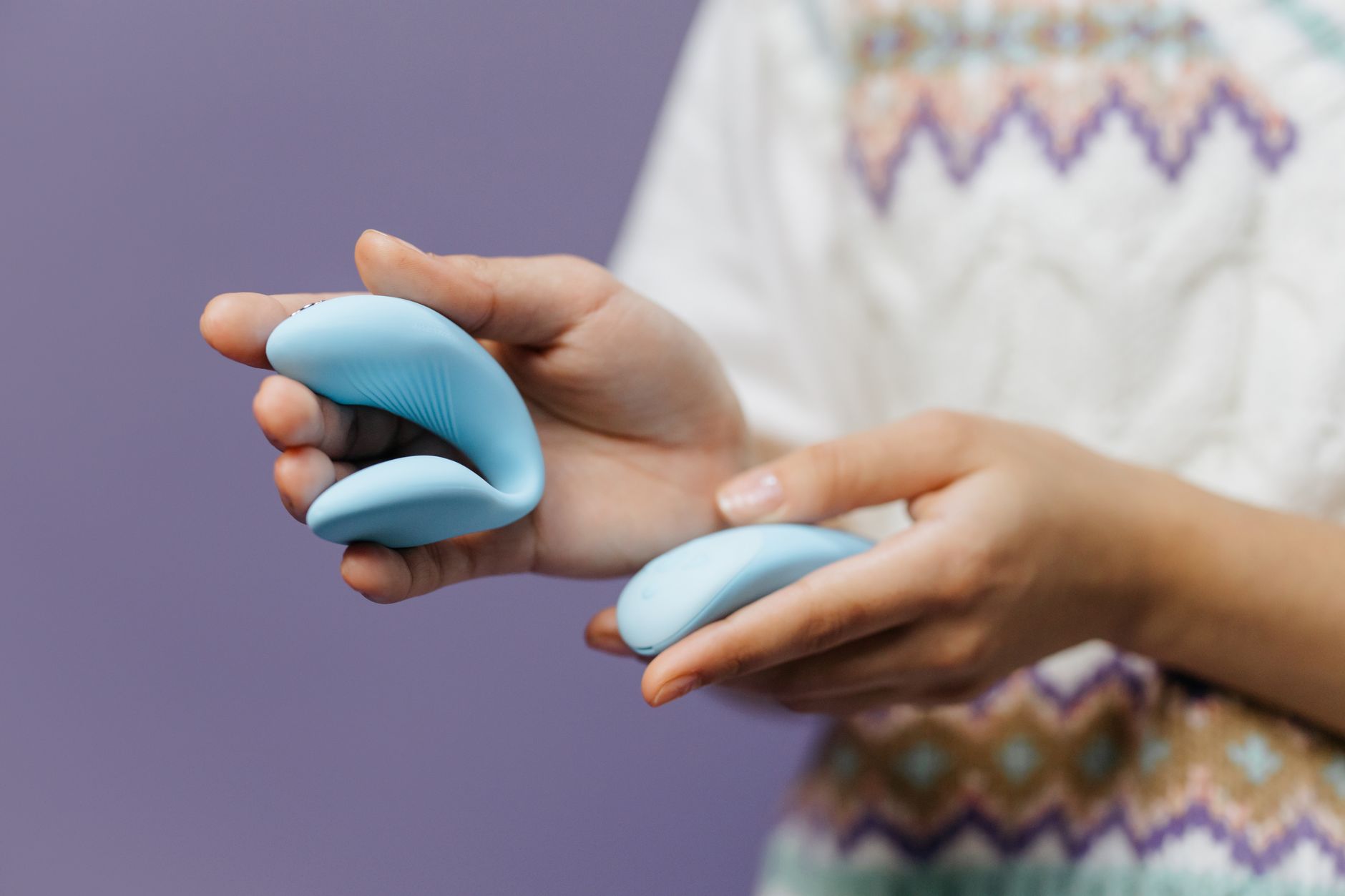
The clitoris is packed with nerve endings, and it's often the first erogenous zone to wake up after pelvic floor surgery. A lemon vibrator like the Lem is designed for this exact scenario because it uses gentle suction rather than direct vibration.
Direct vibration can feel too intense on healing tissue. Suction distributes stimulus across a wider area and creates a sensation that mimics oral stimulation. For post-surgery bodies, this is gentler and often more pleasurable.
The lemon-shaped design also matters. It's small enough to control, curved to fit your anatomy, and the handle gives you space. You're not fumbling with a long wand that puts pressure on areas you don't want pressed right now.
The timeline for reintroducing pleasure
Check with your surgeon first. That matters. Most approve penetrative activity at 6-8 weeks post-op, but clitoral stimulation is often fine earlier.
Weeks 1-4: Gentle exploration, no vibrator yet. Dry touching. Hand stimulation on low, low pressure. The goal is to remind your nervous system that touch is safe. Most people aren't ready for anything more than this.
Weeks 5-8: If your surgeon cleared you, this is when a lemon vibrator makes sense. Start with the lowest settings. This is about reintroduction, not climax. Your job is to notice what sensations feel good and what still feels uncomfortable.
Weeks 9-12: Increase intensity gradually. Add lubrication. Spend more time on arousal. Many people find that orgasms start to return around the 10-week mark, though they may feel different.
Months 4-6: You're likely back to normal sensation, though it can take longer. Some people report that full sensation returns closer to 6-9 months.
How to actually use it without pain or frustration
Three rules for this phase of recovery.
Rule one: Lubrication is non-negotiable. Your tissues are still healing, and the suction mechanism of a lemon clitoral vibrator works better with lubrication anyway. Use a water-based lube generously. Reapply often. There's no such thing as too much right now.
Rule two: Start with pattern one. The Lem has multiple patterns, and you're only interested in the gentlest one right now. Run it for 30 seconds. Stop. Notice what you felt. Was it pleasant? Neutral? Uncomfortable? If uncomfortable, wait a few days and try again. Your nervous system is learning.
Rule three: Set a timer for 10 minutes. This isn't about reaching orgasm. It's about pleasure without pressure. If an orgasm happens, lovely. If it doesn't, that's completely normal and not a sign something's wrong. You're rebuilding a connection, not chasing a finish line.
Talking to your partner (or yourself) through this
If you have a partner, this is where emotional intimacy matters more than physical technique. Your partner needs to understand that your body is healing, that pleasure will return but differently, and that their patience is part of the healing.
Most partners worry they're hurting you or that something is broken. It's not. But reassurance helps. Tell them what feels good and what doesn't. Let them watch you explore with your lemon vibrator. This isn't voyeurism. It's education for both of you.
If you're flying solo, remember that using a vibrator during recovery is medicine, not cheating on your healing timeline. You're actively engaging your nervous system in the process of recovery.
The emotional piece (which is as important as the physical)
Pelvic floor surgery can mess with your identity. Your body changed. Maybe you feel less sexy. Maybe you're grieving the loss of sensation, even if you know it's temporary.
That's real. And it matters. Pleasure isn't just physical. It's emotional. So if you're using a lemon vibrator and it feels weird or sad at first, that's normal. It doesn't mean you're broken or that something's wrong with the device.
Some people find that reconnecting with pleasure during recovery becomes a kind of self-care ritual. A moment where they're saying to their body: I trust you. I'm patient with you. I'm still here. That's powerful.
When sensation still feels muted after three months
If you're past the 12-week mark and sensation hasn't improved much, talk to your surgeon or a pelvic floor physical therapist. Sometimes scar tissue restricts sensation. Sometimes a nerve was affected during surgery. These are real possibilities, and they're treatable.
Topical estrogen creams can help with tissue health. Pelvic floor PT can release muscle tension that's blocking sensation. A vibrator is a tool, but it's not the only tool.
You may also find that using a lemon vibrator in combination with other forms of stimulation helps. How to use a lemon vibrator with a partner who has never tried toys before offers strategies for partnered play that might help rekindle sensation together.
The truth about recovery
Your body is smarter than you think. Pleasure doesn't disappear after surgery. It gets quiet for a while. A lemon clitoral vibrator is a way of turning the volume back up slowly, safely, and without shame.
Your best orgasms might still be ahead of you. The path just looks different than you expected.
People also ask
How soon after pelvic floor surgery can I use a vibrator?
Most surgeons approve clitoral stimulation at 3-4 weeks post-op, but check with yours. Some want you to wait longer. It depends on your specific surgery. If you get the green light, start with very gentle exploration at the lowest setting. Your nervous system is still recovering, so patience is key. You're not racing toward an orgasm. You're checking in with sensation.
Will a lemon vibrator feel the same as before surgery?
No. Most people report that sensation feels muted for the first month or two, then gradually returns. Some describe it as softer or less intense initially. By three months, many are back to baseline sensation, though the timeline varies. A few people report their best orgasms came after recovery, once they'd overcome anxiety and reconnected with their body.
Is it normal to feel pain when using a clitoral vibrator after surgery?
Sharp pain is a sign to stop. Mild discomfort that fades after a few seconds is more common and usually resolves with continued gentle use. If pain persists or worsens, contact your surgeon. You may have scar tissue that needs attention or a nerve that's still healing. Don't push through pain thinking it'll get better on its own.
Can my partner use a lemon vibrator on me during recovery?
Yes, but with care. Many couples find that partner-led exploration helps with reconnection and reassurance. Your partner can start gently, watch your face for signs of discomfort, and move slowly. Some people feel more vulnerable with a partner using the vibrator at first. That's okay. Go at the pace that feels safe to you.
What if I still can't orgasm three months after surgery?
Talk to a pelvic floor physical therapist. Sometimes muscle tension or scar tissue is blocking the pathway. Other times it's anxiety or grief about the surgery. A therapist who specializes in post-surgery sexuality can help sort this out. A lemon vibrator is a tool, but if sensation isn't returning on its own timeline, you may need more support.
Should I use the Lem vibrator with or without lubrication after pelvic floor surgery?
Use lubrication. Always. Your tissue is healing, and the suction mechanism of a lemon clitoral vibrator works more comfortably with lubrication. Water-based lube is safest. Reapply often, especially during longer sessions. This isn't about anything being wrong. It's about giving your body what it needs to recover well.