
Here's the thing about gaps
When you haven't had sex with a partner in a long time, your body doesn't forget. But it does recalibrate. Anxiety moves in. So does doubt. The skin that used to respond instantly to touch now asks questions. Is this safe? Do I still want this? What if I can't finish? What if they expect something I'm not ready for?
That's not brokenness. That's your nervous system being cautious. And it's actually the perfect moment to use a tool like a clitoral vibrator, because it lets you answer those questions privately before bringing a partner back into the picture.
Why the gap happened matters less than what it taught you
Whether it was illness, grief, a relationship ending, burnout, or just life getting in the way, the break created distance. Some couples experience gaps because the relationship itself was stalled. Others because one partner had medical reasons, or because you both needed time apart to figure things out. The cause matters for conversation, but it doesn't change what your body needs now.
What does matter: a long pause often comes with a side effect nobody talks about. You've internalized the idea that sexual connection isn't happening, so your body and brain stopped preparing for it. Even desire can go quiet. And desire doesn't automatically switch back on the moment someone invites you back in. It has to be coaxed, gently, on your own terms first.
Solo exploration resets the nervous system
Let's start here. Before anything happens with your partner, spend time with yourself. Not as foreplay for them. As a reacquaintance with your own body. A lemon vibrator is ideal for this because it's direct, it's concentrated, and it short-circuits the "am I taking too long" anxiety that derails so many returns to pleasure.
Start in a space where you won't be interrupted. Five to ten minutes alone, no time pressure. If arousal doesn't build, that's completely fine. Your body is remembering. That takes a few sessions.
The patterns you'll notice on a clitoral vibrator during this solo time become your roadmap for partnered sex. You'll learn whether you need a slow build or quick intensity. Whether consistent pressure works better than rhythm changes. Whether you prefer the tip-only feeling or the broader stimulation. This is information only your body holds. Once you know it, partnered reconnection stops being a performance and starts being a conversation.
Introduce it to your partner as equipment, not as a replacement
Here's where many couples stumble. You bring a toy into the bedroom after a long gap, and someone hears "I need this instead of you" or "You weren't enough before, and now you really won't be." That's almost never the truth, but it's easy to believe when you're already insecure about the reconnection.
Reframe it in conversation. Not during sex. A few days before. "I've been thinking about how to make coming back together feel easier and less pressured. I bought a clitoral vibrator. I'd like to use it while we're together, so there's less pressure on me to finish a certain way and more time for us to just feel connected."
That sentence does three things at once. It removes the performance standard (you're not on a timer to orgasm). It puts the focus on connection rather than achievement. And it centers your pleasure, which sometimes feels selfish after a long gap, but it's actually the healthiest thing you can do.
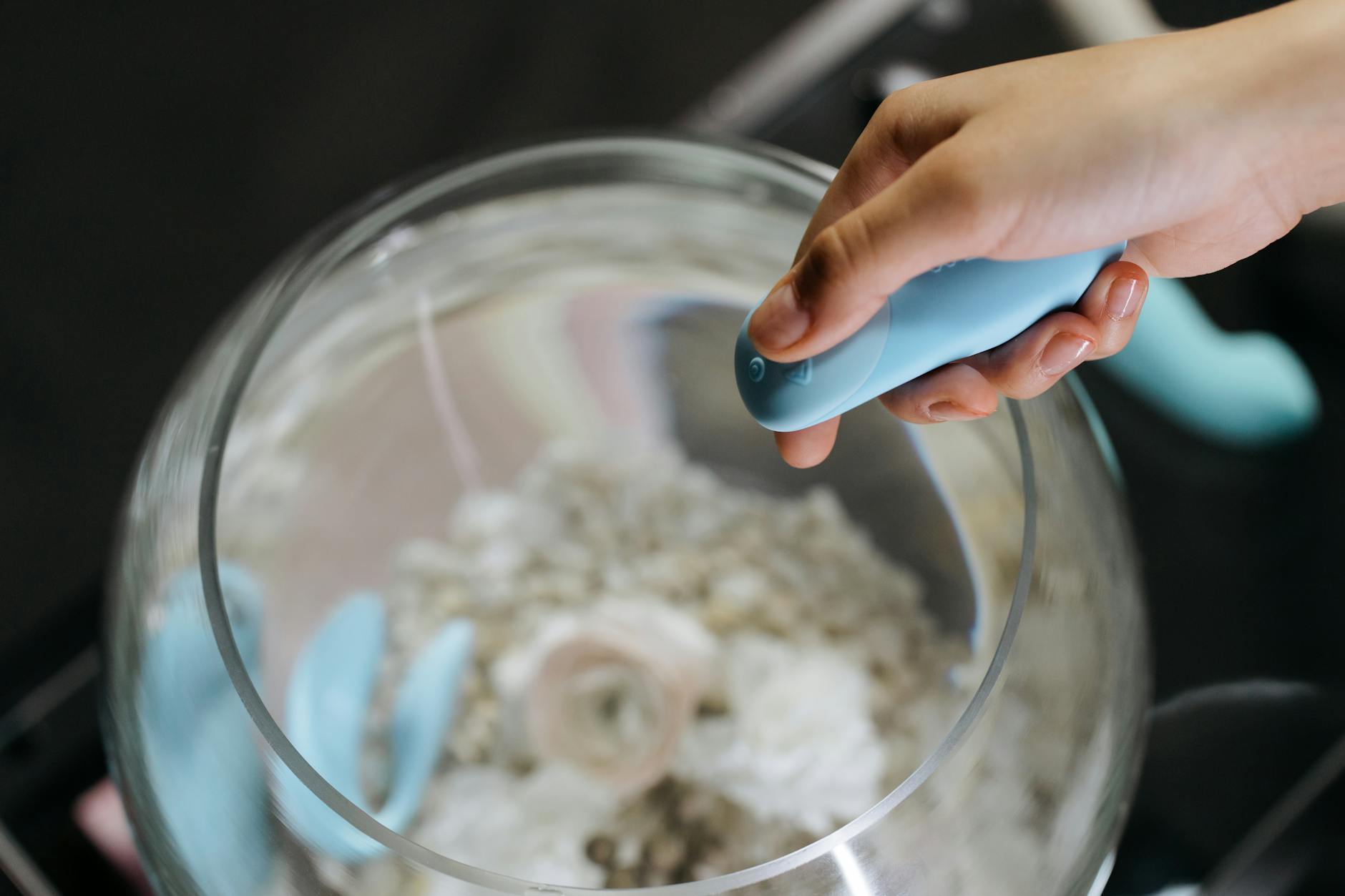
Photo by cottonbro studio on Pexels
The pressure shift is bigger than it sounds
After a long break, one of the hardest parts of returning to partnered sex is the unspoken scoreboard. You feel like you need to "make up" for lost time, or prove you still want your partner, or demonstrate that your body still works. That scoreboard is a pleasure killer.
When you introduce a lemon clitoral vibrator, you're saying to your nervous system: "We don't need to perform here. We're not being graded." And you're saying to your partner: "I'm taking care of my own pleasure, so you can just focus on connection and presence."
That shift allows your partner to relax too. They're not trying to be your entire pleasure system. You're not trying to prove anything. You're two people relearning each other without the weight of expectation.
The physical adjustment happens faster than the emotional one
Your clitoris will likely respond to the right stimulation faster than you expect, which surprises people. The tissues haven't forgotten. The nerve endings are still there. Arousal might build slowly the first few times, but that's anxiety, not physical malfunction.
What takes longer is emotional readiness. After months or years, being vulnerable with a partner again feels genuinely risky. You've gotten used to protecting yourself. Using a vibrator during partnered sex can actually ease that transition because it gives your nervous system something to focus on besides threat assessment. You're feeling physical pleasure. You're not locked in eye contact the whole time. There's an object in your hand, which gives you a small sense of control.
All of that is protective. And all of it is fine.
Timing and rhythm matter more than you think
If your gap was months or longer, plan for the first few reconnections to be unhurried. Thirty minutes minimum, no kids in the house, no clock-watching. Your body isn't going to move fast, and that's not a problem. It's the right pace for rebuilding.
Start with touch that has nothing to do with sex. Hands, slow kisses, closeness. Let arousal build before the vibrator comes out. When you do introduce it, use the lowest setting first. You're not trying to finish. You're trying to remember what pleasure feels like. Some people need three or four sessions before an orgasm feels fully available. That's normal.
Communication during sex is the real intimacy
After a long gap, the simplest words become acts of courage. "This feels good." "Can we slow down?" "I want to try something different next time." Say them. Your partner can't read your body if your body has been quiet for a long time. They're going to be anxious too, wondering if they're getting it right.
A lemon clitoral vibrator actually makes this easier because you have a real, tangible thing to give feedback about. "This pattern feels amazing." "A bit lower." "Let's keep going like this." That's information that builds trust between you.
When to let go of the vibrator
Some couples use it every time. Some use it for the first month, then less often. Some keep it as an occasional thing. There's no graduation ceremony where you "move past" needing it. If it works, it works. The point isn't to eventually not need it. The point is to rebuild safety and pleasure.
That said, some people find that after reconnecting with a partner a few times with external stimulation, their body learns to relax during partnered sex, and orgasm becomes more available without the tool. That's beautiful. So is continuing to use it. Both are fine.
The real work is showing up honestly
Using a hello nancy lemon clitoral vibrator during reconnection isn't a shortcut. It's a permission structure. Permission to take pleasure seriously. Permission to not perform. Permission to let your body ease back into intimacy at its own pace. That's the actual healing. The vibrator is just the vehicle.
People also ask
Is it normal to have trouble with arousal after a long break from sex?
Completely. Your nervous system has spent months or years in a state where sexual arousal wasn't expected or available. Reactivating that takes time. It's not about desire, though desire might feel hard to access at first. It's about your body's conditioned response. After two or three reconnection sessions, arousal usually returns faster. Until then, patience with yourself is the real tool.
Will a vibrator make my partner feel like they're not enough?
Possibly, but only if you frame it wrong. If you introduce it as "here's something I need because you couldn't give me what I need," that lands badly. If you frame it as "here's a way to make reconnection feel less pressured and more fun," most partners appreciate it. The couples who struggle are the ones who avoid the conversation entirely and just bring it out. Talk about it first.
How long should I wait before introducing a vibrator during partnered sex?
Wait until you've used it alone a few times and until you've had at least one or two sessions of partnered sex without it. This helps you separate your own pleasure from the dynamic with your partner. Once you know what your body likes, you're in a position to communicate it clearly. For most people, that's two to four weeks of solo use before partnered introduction.
What if I can't orgasm even with the vibrator?
Then you're learning something useful: your barrier to pleasure isn't physical. It's emotional or contextual. You might need more time alone first. You might need deeper conversation with your partner about what created the gap. You might need a therapist. None of those are failures. They're information. Some people also find that the pressure to orgasm keeps them from it. Try using the vibrator with zero expectations. Just sensation. No finish line.
Can a partner use a lemon vibrator on me, or should I use it myself?
Both work. Using it yourself gives you control and lets your partner focus on other touches. Them using it on you can feel more intimate and connected. Try both and see what feels right. Some couples alternate depending on the day. There's no correct version.
How do I know if my partner is actually comfortable with the vibrator?
You ask. Not "Are you okay with this?" because that's yes-or-no and people lie to be agreeable. Try "What are your feelings about this?" or "Is there anything about using a vibrator that makes you nervous or curious?" Listen to the actual answer, not just whether it's positive. If there's hesitation, dig into it. Sometimes comfort builds over time. Sometimes there's a real incompatibility that needs solving. Either way, honesty now saves resentment later.