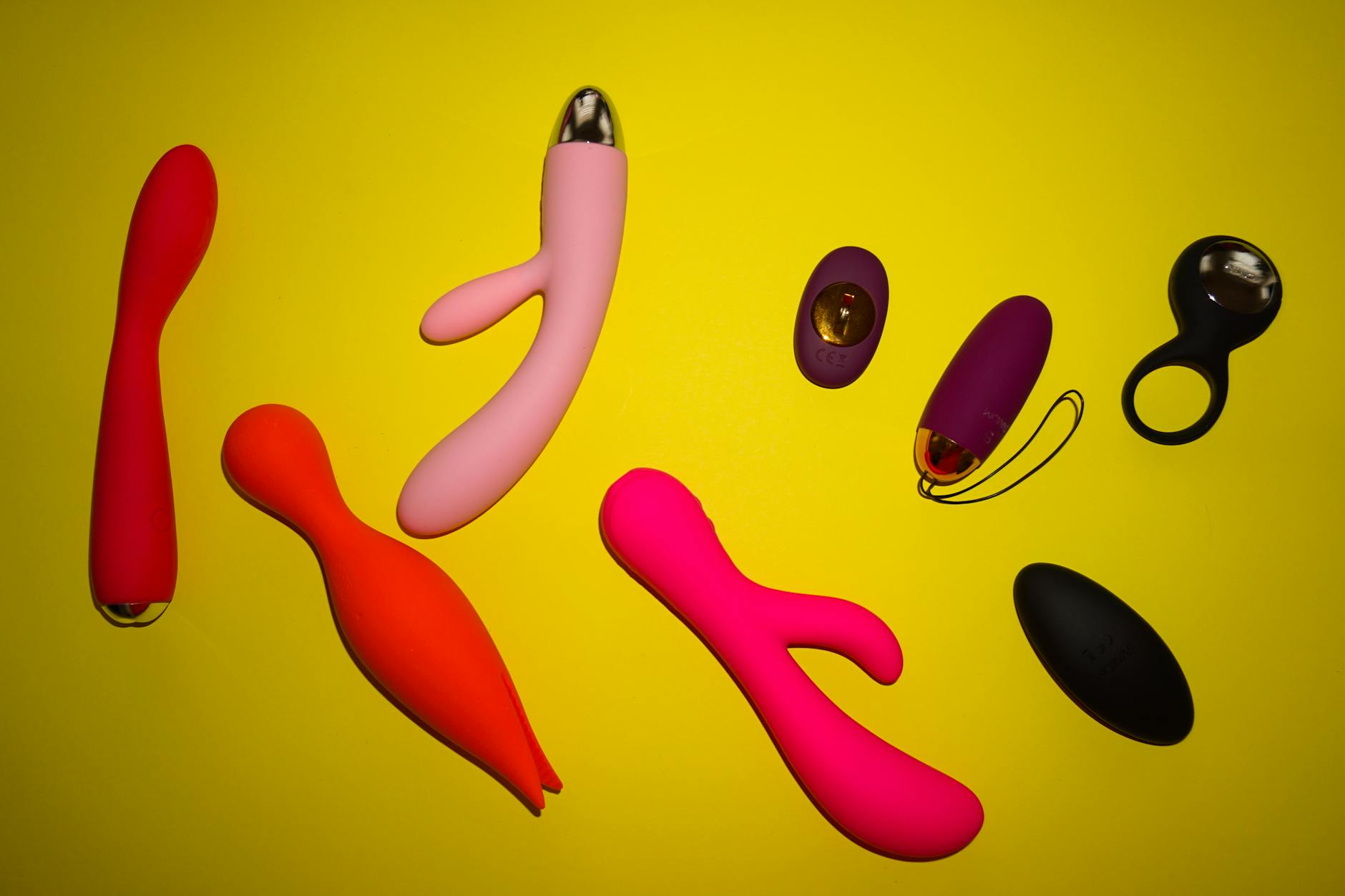
Let's talk about sensitive times
There are windows when touch just hits different. Your skin feels tender. Direct pressure feels sharp instead of good. Even fabric against your body can feel like too much. If you've got a lemon clitoral vibrator and you're in one of these phases, you're probably wondering whether it's safe to use at all, or whether you need to approach it completely differently.
Honestly? A suction vibrator can still work beautifully during sensitive times. But the technique matters, and knowing how to adjust is the difference between pleasure and frustration.
Why sensitivity spikes happen
Sensitivity can flare for loads of reasons. Hormonal shifts in your cycle, recovering from infection or inflammation, aftermath of sex that was too rough, stress manifesting in your nervous system, or even just allergic reactions to new fabrics or personal care products. None of these mean your pleasure is gone. They just mean your body is asking for a different approach.
The clitoris has about 8,000 nerve endings. When sensitivity is heightened, those nerves are basically turned up to 11. Normal stimulation can feel overwhelming or even painful. Your nervous system isn't broken. It's protecting you.
How a lemon vibrator works at lower intensities
Unlike traditional vibrators that buzz against tissue, lemon sucker vibrators work through rhythmic suction and gentle pulsing. This is actually an advantage when sensitivity is high because you have much finer control over intensity. You're not relying on vibration strength alone. You can adjust pressure, positioning, and pattern to find the sweet spot.
Most people think "lower setting" means less pleasure. That's not true with suction. A lower pattern on your lemon vibrator can actually feel more nuanced because you're experiencing the pulse more clearly instead of being overwhelmed by constant vibration.
Your five-step approach to using a lemon vibrator during sensitive times
Step 1: Start outside the direct zone. Don't begin at the clitoris itself. Use your lemon vibrator on the outer labia, the perineum, or even the inner thigh. Let your nervous system acclimate to the sensation first. You're warming up your touch receptors before you go anywhere sensitive.
Step 2: Use the lowest setting and highest suction gaps. Most lemon sexual toys have variable patterns. Choose the gentlest rhythm available. If your toy has a suction adjustment, dial it down or position it so there's a bit of space between the cup and your body. Hovering the toy slightly instead of pressing it firmly gives you all the sensation with zero pressure.
Step 3: Add moisture intentionally. Water-based lubricant creates a better seal and paradoxically makes suction feel less intense because the friction is reduced. A bit of lube means the cup glides smoothly, and suction activates more evenly instead of catching sharply on dry tissue.
Step 4: Breathe through the first minute. Sensitivity often creates tension. Your muscles tighten, which actually increases discomfort. Slow, deliberate breathing for the first 60 seconds helps your pelvic floor relax and your nervous system settle. You're not forcing pleasure. You're coaxing it.
Step 5: Move toward intensity gradually, if at all. You don't need to work your way up to higher settings. Some sessions, the lowest setting is exactly right. Other times, after a few minutes, you might increase the pattern or the suction. Listen to your body. If "more" doesn't feel good, don't do it.
When to stop and when to keep going
There's a difference between sensitivity and pain. Sensitivity feels sharp, maybe slightly uncomfortable, but bearable. Your mind is in the room with you. Pain feels urgent. It pulls your attention away from everything else. Pain means stop.
If you hit pain, turn off the toy immediately. That's your body's signal that something isn't right in this moment. Sensitivity can be worked with. Pain is a hard boundary.
Positioning matters more when touch is tender
Instead of applying the lemon vibrator directly over the clitoris, try angling it slightly upward or to the side. Some people find that the hood of the clitoris (the tissue that covers it) provides enough cushioning that direct stimulation is comfortable, but others prefer the sensations that come from stimulating nearby tissue and letting sensation radiate inward.
Experiment with angles. Your body will tell you what feels right. You might discover you prefer this positioning even after sensitivity settles, which is worth knowing.
Combining lemon vibrators with other sensations
When sensitivity is high, adding layers of sensation can paradoxically feel better than isolating clitoral stimulation. Try using your lemon vibrator while a partner touches your breasts, your neck, your inner arm. These simultaneous sensations spread the nervous system's attention and often feel more integrated, less raw.
Solo, you could combine your vibrator with erotic audio, fantasy, or even a different toy used gently elsewhere on your body. The brain's pleasure centers light up differently when multiple senses are engaged, which sometimes makes sensitive-time play feel more fulfilling.
Recovery time and frequency
If your sensitivity stems from inflammation or recent irritation, space out your sessions. Maybe once every two to three days instead of daily. Your body needs time to recover and reset between uses, especially if tissue is compromised.
If sensitivity is cycle-related, you might notice it peaks a few days before your period and settles once bleeding starts. Knowing your own pattern helps you plan. You're not abstaining from pleasure. You're timing it strategically.
When to check in with a healthcare provider
If sensitivity is new and doesn't improve after a few days, or if it's accompanied by discharge, pain beyond the tender-touch kind, or itching, chat with your GP. Sometimes sensitivity signals something treatable like a yeast infection or bacterial imbalance. Getting that sorted makes every sensation better.
If you've had pain during sex that returns unexpectedly, definitely worth mentioning to your doctor before assuming it's just normal sensitivity.
The wider point about pleasure and your body
Sensitive times can feel frustrating because they interrupt your usual rhythm. But they're also teaching you something valuable. You're learning exactly where your boundaries are and how your body communicates with you. That knowledge makes you a better partner to yourself. It makes you clearer about what you actually want instead of what you think you're supposed to want.
A lemon clitoral vibrator is flexible enough to move with you through different states of sensation. It's not a one-speed tool. It's a device that can meet your body where it actually is, not where you think it should be.
People also ask
Can I use a lemon vibrator if I have a yeast infection?
If you have confirmed thrush, skip the vibrator until it clears. Suction and vibration can irritate already inflamed tissue and potentially spread infection. Once you've treated it and symptoms are gone, you're good to reintroduce your toys. In the meantime, your partner's fingers, if you've got a partner, are gentler than any toy.
Will using a lemon sucker vibrator on the lowest setting still feel pleasurable?
Completely. Many people report their most intense orgasms come on lower settings because sensation is more distinct rather than overwhelming. You're not sacrificing pleasure. You're refining it. Some discover they prefer the lower patterns even when sensitivity isn't an issue.
How long should I wait after irritation before using toys again?
If it's minor irritation (like from rough sex), two to three days usually feels safe. If it's infection-related, wait until the infection is treated and symptoms are completely gone. If pain or discharge persists beyond a week, definitely see your GP before reintroducing toys.
Does lube actually help with sensitivity, or does it just mask the problem?
Lube genuinely helps. It reduces friction, creates a smoother seal for suction, and means your toy glides instead of catching. This isn't masking anything. It's actually reducing irritation. Water-based lube is the safest choice with silicone toys like lemon clitoral vibrators.
Can hormonal birth control affect clitoral sensitivity?
Yes, for some people. If you switched contraception recently and sensitivity spiked, that's worth noting. Your body might be adjusting hormonally. Give it two to three months. If sensitivity persists and bothers you, mention it to your doctor. There are options, and sometimes a different method feels better.
Is it normal for sensitivity to change across the menstrual cycle?
Completely normal. Most people experience peak sensitivity a few days before their period when progesterone is high and estrogen is dropping. Early in your cycle, after bleeding starts, sensitivity often settles and things feel more robust. Understanding your own pattern means you can plan sessions strategically instead of fighting against your body's rhythms.
The bottom line
Sensitivity isn't a reason to avoid pleasure. It's an invitation to be more intentional about it. Your lemon vibrator can move with you through these phases. Lower settings, angled positioning, lube, breathwork, and patience create a completely different experience than your usual routine. And sometimes that's exactly what your body is asking for. Listen to it.