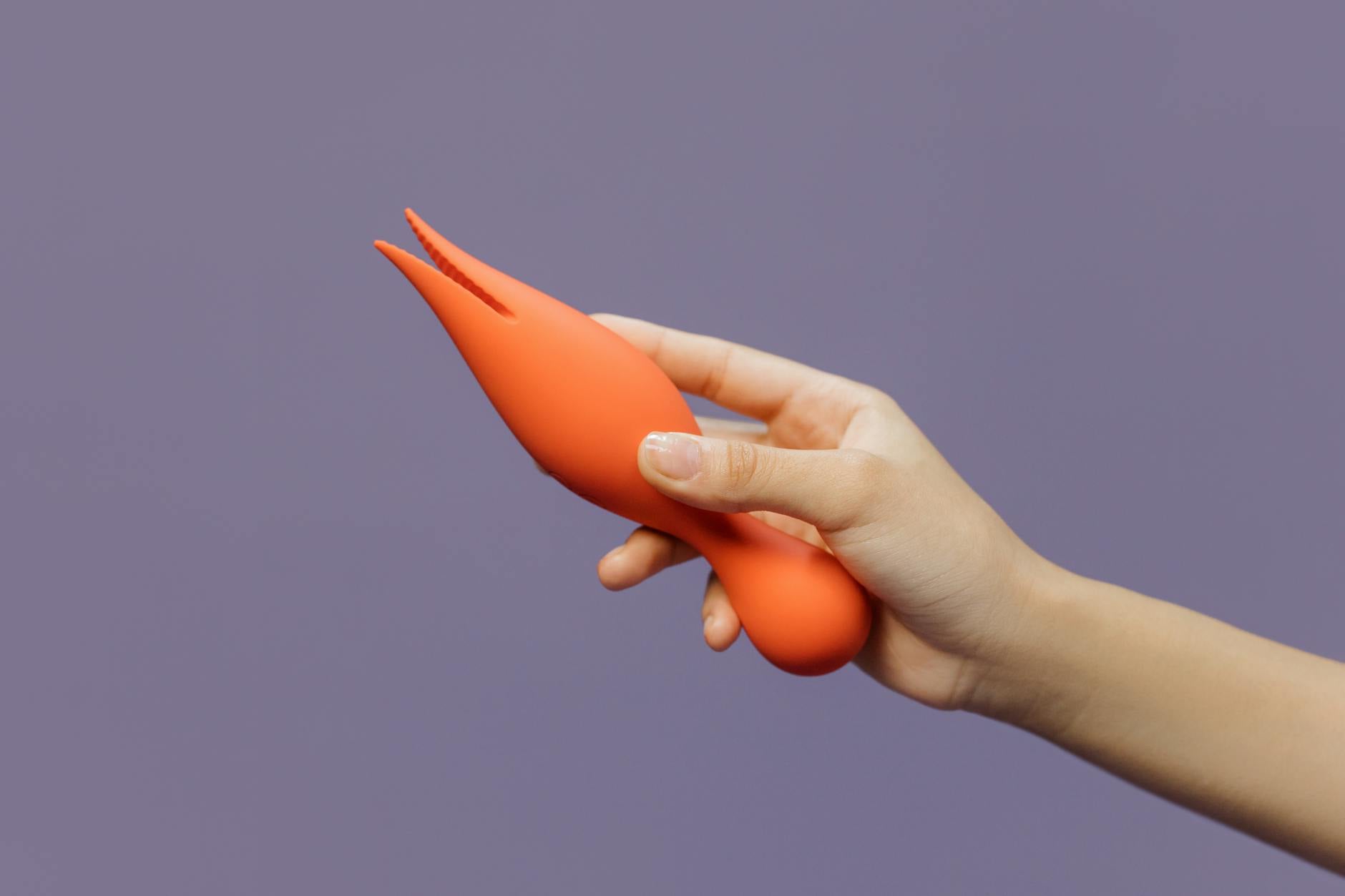
When trust is broken, pleasure feels impossible
Let's be real: you can't orgasm your way out of a trust problem. Not with a partner, not alone. If emotional safety is missing, even the best lemon vibrator in the world sits there like a reminder of what isn't working. The body doesn't lie. It won't open up to sensation when the nervous system is running on high alert.
But here's what I've seen change in my practice: introducing a clitoral vibrator into the reconnection process can actually signal safety to your body. Not because the toy itself is magic, but because it shifts the power dynamic, removes performance pressure, and gives you back agency in a space where agency felt stolen.
Why emotional safety matters more than technique
Your body has a security system. When you feel unsafe with a partner, in your relationship, or even with yourself, your nervous system locks down. Blood flow redirects. Lubrication stops. Sensation dulls. Arousal becomes nearly impossible, no matter how much time, intention, or physical skill someone brings to the moment.
This isn't dysfunction. This is survival.
The tricky part: this safety system doesn't distinguish between real danger and perceived danger. If your partner broke your trust last year, your body treats sex this year as a threat. If you feel pressure to perform pleasure you don't feel, your nervous system registers that coercion even when it's unspoken.
Emotional safety is the foundation. Everything else is built on top of it.
The role of a lemon vibrator in rebuilding trust
Solo exploration with a clitoral vibrator serves as what I call a "reconnection ritual." You're not trying to have an orgasm, though that might happen. You're sending a message to your nervous system: "This body is safe. I'm in control. My pleasure matters."
That last part is critical when trust has fractured. A lot of people who've experienced betrayal in a relationship automatically cede control of their pleasure to their partner, as if they're apologizing for needing anything at all. Using a lemon vibrator alone interrupts that pattern. It's a small act of defiance against guilt that doesn't belong to you.
If you're rebuilding with a partner, introducing a toy can also reset the dynamic. Instead of pressure to "perform" arousal for them, you're both in service of your genuine sensation. That's a different conversation entirely. The vibrator becomes a bridge, not a replacement.
How to start when trust is fragile
Three things need to happen first, before the vibrator even enters the picture.
First, get clear on your own nervous system. Notice what makes you feel safe and what triggers you. Not in theory, but in your body. Do you need privacy? Locked doors? A specific time of day? Permission to stop without explanation? These aren't luxuries. They're requirements. Honor them without negotiation.
Second, if you're with a partner, establish what I call "no-touch agreements." This sounds clinical, but it's liberating. You set a time when they won't initiate sex or physical contact. You get to explore on your own terms, without monitoring their reaction or managing their disappointment. This might feel unfair to them. That's not your problem to solve. They broke trust. Rebuilding it has costs.
Third, separate the conversations. "I need us to work on trust" is different from "I want to explore solo pleasure." Say both things out loud, but don't let them bleed into each other. Otherwise, every moment of solo exploration feels like an accusation, and it becomes harder to actually stay present with sensation.
The actual practice: step by step
Start with the environment. You need privacy, uninterrupted time, and ideally some control over comfort. That might be your bedroom, a locked bathroom, whenever feels least vulnerable. Some people find it easier to explore during the day, in daylight, when the house feels different. Try different times.
Begin without the vibrator. Spend five to ten minutes just noticing your body. Not in a goal-oriented way. What parts of your skin feel okay to touch? Where does tension live? Where do you feel safe? This is diagnostic work. You're mapping your own safety zones.
Then introduce the lemon vibrator on the lowest setting. Start away from the most sensitive areas. Let your body get used to the sensation, the sound, the vibration. This is not foreplay. It's unfamiliar territory, and your nervous system needs time to register that the vibration is something you chose, not something happening to you.
If you feel nothing, that's data, not failure. Numbness after betrayal is common and protective. Stay with it. Keep exploring, same time, for a few weeks. Your body is learning that this is safe. That takes repetition.
When you're rebuilding with a partner
If you want to bring a partner into this, timing matters. You need at least a few weeks of solo reconnection first. You need to know what feels good and what doesn't. You need to trust yourself before you ask your body to trust them again.
When you do introduce them, set clear boundaries. They watch, but they don't touch unless you ask. They don't comment on your body or your response. They don't make it about them. If they struggle with that, that's telling information about whether they're actually ready to rebuild.
Some people find that exploring solo pleasure helps them understand their own needs before partnered sex. You're allowed to stay solo for as long as you need. Pressure to move faster than feels right is pressure, period.
The nervous system reset takes time
Don't expect to feel "normal" about pleasure again in a few months. Trust isn't rebuilt in a timeline. It's rebuilt in small, repeated moments where the expected betrayal doesn't happen. Where your boundaries are respected. Where your pleasure is treated as important rather than optional.
A lemon vibrator can be part of that process, but it's not a substitute for the real work. The real work is the conversations, the consistency, the willingness to sit in discomfort while trust rebuilds itself.
What I've seen happen, though, is that after several months of consistent solo exploration and, if applicable, careful partnered reconnection, sensation returns. Not because the toy is powerful, though a clitoral vibrator like the one from Hello Nancy Lemons Shop absolutely is. But because your nervous system finally gets the message: "This is safe. Your pleasure is your own. You get to decide."
That shift changes everything.
When to call in professional support
If you're unable to feel safe even alone, or if the trauma is recent and severe, a therapist trained in trauma recovery and sexuality can make an enormous difference. This isn't about needing "permission" to use a vibrator. It's about processing the betrayal itself so your body can eventually relax.
The combination of a skilled therapist, your own reconnection work, and yes, intentional use of a clitoral vibrator, can move you forward much faster than any single approach alone. When emotional intimacy feels distant from physical connection, that's exactly when professional guidance becomes valuable.
FAQ: Safety, pleasure, and rebuilding
How long does it take for sensation to return after betrayal?
It varies widely. Some people report breakthrough sensation within weeks of starting solo exploration. Others take months. The timeline depends on how deep the betrayal went, how recently it happened, and whether the issue that caused the breach is actually being addressed. If your partner is still doing the behavior that broke trust, your body won't feel safe no matter how many vibrators you try. Fix the root issue first.
Is it normal to feel nothing when using a lemon vibrator after emotional trauma?
Completely normal. Numbness is a protective response. Your nervous system is saying, "Not yet. Not safe." Keep exploring, but don't force sensation. The goal isn't to orgasm. It's to gradually convince your body that sensation is safe again. That takes time and consistency, not intensity.
Can I use a vibrator if I'm still with the person who broke my trust?
Yes, but with hard boundaries. You need solo time to explore without their presence, their needs, or their expectations shaping the experience. Solo pleasure isn't about excluding your partner long-term. It's about reclaiming your own nervous system before you ask it to be vulnerable with someone again. If your partner resents that boundary, that's a sign the trust work isn't actually happening on their end.
What if my partner feels threatened by me using a lemon vibrator?
That's their insecurity to work through, not yours to manage. You don't owe anyone access to your pleasure, and you certainly don't owe them reassurance about a tool that helps you feel safe in your own body. If they're threatened by a vibrator, they're probably not ready to rebuild trust in a healthy way. You might need to have a harder conversation about what they're actually willing to do to repair the relationship.
How do I know if I'm actually healing or just going through the motions?
Healing shows up as choice expanding. You have more options, more boundaries you can set, more moments where you feel safe without monitoring for danger. Going through the motions looks like repetition without actual change in how your nervous system responds. If you're doing the same solo exploration practice for three months and sensation still feels completely absent, it might be time to bring in a therapist who specializes in trauma and sexuality.
Should I tell my partner I'm using a vibrator if we're rebuilding trust?
That depends on your dynamic and what honesty looks like in your relationship. Some couples find that transparency accelerates healing. Others find that your solo exploration is your own boundary-setting work, and it doesn't require reporting. There's no universal right answer. What matters is that you're not lying to protect their feelings at the expense of your own healing.
You deserve to feel safe in your own body
Rebuild trust slowly. Honor your nervous system. Let sensation return at its own pace. A lemon vibrator is a tool for that process, not a shortcut around it. The real work is choosing yourself, setting boundaries, and giving your body permission to feel safe again.
That's where pleasure lives.