Let's start with what nobody warns you about
Antidepressants save lives. They also, for many people, flatten sexual response. Not because you're broken or losing interest, but because SSRIs and SNRIs work on serotonin pathways that directly affect arousal speed, sensation intensity, and orgasm. It's chemistry, not character.
About 40-60% of people on antidepressants report some sexual side effect. That's not a small number. And most doctors mention it the way they mention "occasional nausea" rather than "this might reshape your intimate life for years."
Here's the good news: you don't have to choose between your mental health and your pleasure. Lemon vibrators, specifically clitoral suction toys like those from Hello Nancy Lemons Shop, work with medicated bodies in ways other devices often don't.
How antidepressants actually change sensation
SSRIs delay orgasm by raising your serotonin floor. That's great for mood. Bad for the neurochemical cascade that leads to climax. Your brain gets the arousal signal slower, your body takes longer to respond, and the final trigger often feels muted.
Adding in the psychological layer: you're aware of this lag. You start tensing up, watching for signs of response instead of feeling into the experience. That tension makes everything worse.
Then there's the direct numbness some people report. It's not that you can't feel pleasure. It's that sensation requires heavier input to register the same way it did before medication.
Why lemon clitoral vibrators are different
Most vibrators rely on vibration frequency alone. You either feel them or you don't, and if the setting feels too gentle, there's no middle ground. Lemon vibrators, especially suction-based clitoral toys, use a completely different mechanism.
Instead of buzzing, they create a rhythmic pulse that mimics natural suction. This engages nerve clusters differently than surface vibration does. For medicated bodies, this matters enormously. Suction stimulates without requiring the sustained sensitivity that your antidepressant is actively suppressing.
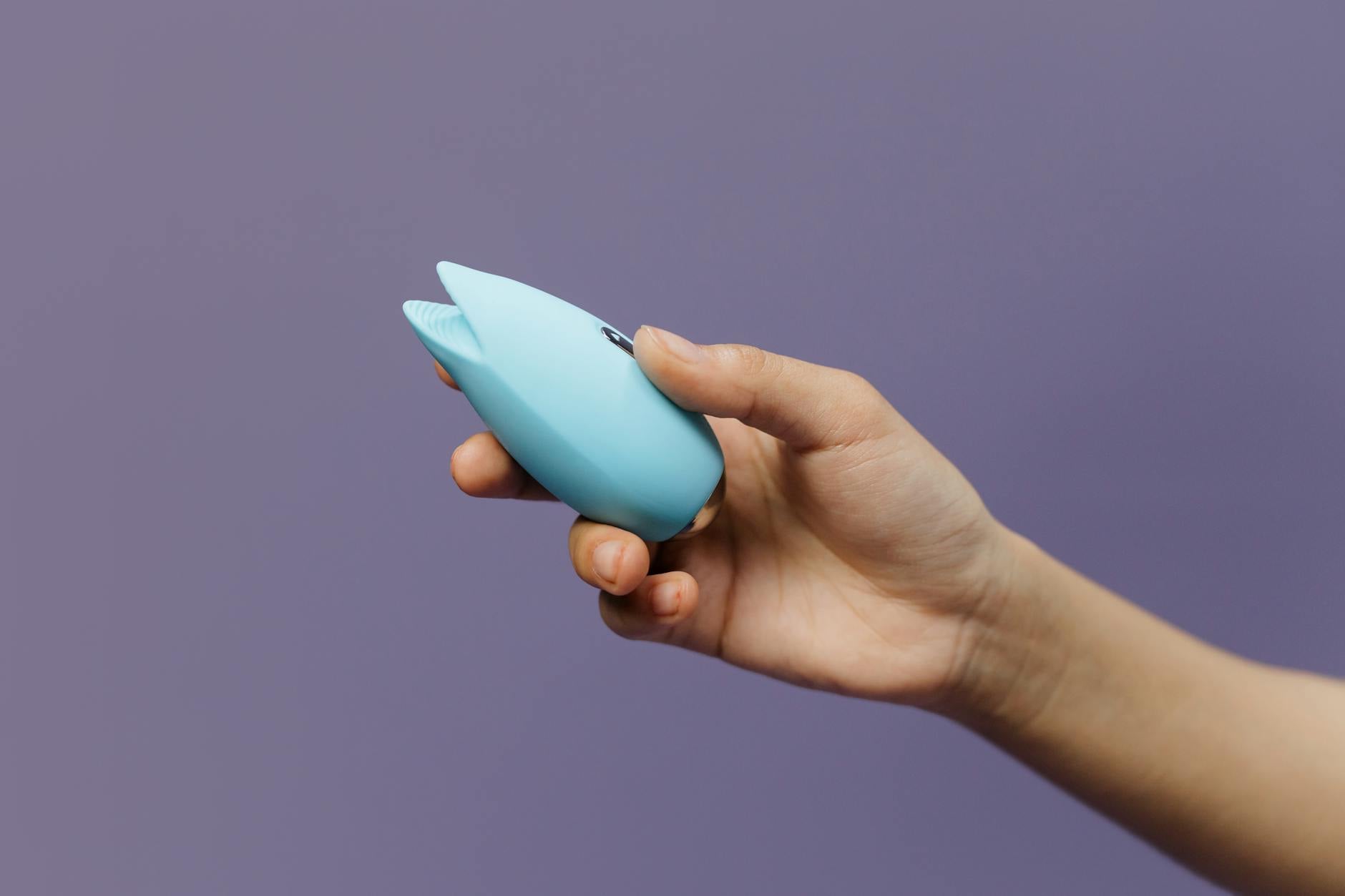
The Lem vibrator from Hello Nancy Lemons Shop uses a lemon sucker mechanism that feels less like a tool and more like responsive touch. Most people report that suction reaches sensation faster and feels more integrated with their body, not like something happening against their body.
The pattern sequence that works best
If you're using a lemon clitoral vibrator for the first time while on antidepressants, start low.
Pattern 1 or 2 for at least 5-10 minutes. Not because you're being cautious, but because the slow buildup is where this works. Your nervous system needs time to recognize the signal under the chemical fog. Jumping to high intensity teaches your brain to expect numbness.
After 10 minutes, if you want more intensity, move to pattern 3. Most people find they can reach pattern 5 or 6, but the speed matters more than the final number.
Longer warm-up time is not failure. It's how your medicated body works now. Budget 20-30 minutes where you would have budgeted 10. That's the honest timeline, and fighting it creates frustration that kills arousal faster than any drug does.
What to pair with the lemon toy
Your antidepressant is also messing with natural lubrication, sometimes dramatically. Water-based lubricant is not optional. Apply it generously before you even start. The sensory input from the lubricant itself can help your brain register arousal earlier.
Mind-body connection matters more now than ever. Five minutes of intentional breathing before you start isn't spiritual nonsense. It's parasympathetic activation. Antidepressants often push people toward sympathetic dominance, which tenses the pelvic floor and makes sensation feel more distant. Breathing interrupts that pattern.
Some people find that a partner's touch on other parts of the body while using the lemon vibrator creates a second signal that helps the brain organize arousal. If you have a partner, tell them you need this context. "I need you touching my back" or "hold my hand." Not as assistance, but as cognitive load that shifts you out of watching mode.
When to talk to your doctor (and what to ask)
If the antidepressant side effect is severe enough to affect your wellbeing, this is a prescription conversation. You have options.
Some people switch to medications with lower sexual side effect profiles (buproprion, for instance, often has fewer sexual effects). Some add a second medication specifically to counter the side effect. Some adjust dosing or timing. None of these are failures. They're legitimate medical decisions.
Bring the conversation to your doctor directly. "My antidepressant is working for my mood, but it's affecting my sexual response significantly" is all you need to say. Any competent doctor will take this seriously.
Don't suffer in silence, hoping a toy fixes everything. Tools like lemon vibrators help. They don't replace medication adjustments when medication is the root issue.
Managing the emotional piece
Being on an antidepressant that flattens your sexuality can feel like punishment for taking care of your mental health. I see this in sessions constantly. People blame themselves for not responding the way they used to, as if arousal is a character trait they're failing at.
It's not. It's a side effect. Separate the two conversations: "I'm managing my depression well" and "I'm adjusting how I access pleasure with my medicated body." Both are true. Both deserve attention.
If you have a partner, this is relationship work, not personal failure. Your partner may also be adjusting to your body's different timeline. That's worth naming directly. "My medication changes how my body responds. Here's what helps." Naming it removes the shame that makes everything harder.
The timeline expectation
Switching to lemon clitoral vibrators or other tools while on antidepressants usually shows results within a few sessions. You start recognizing sensation faster. Arousal builds more reliably. Most people see real shifts within two to three weeks of consistent use.
But this isn't immediate. Your nervous system rewires slowly, especially under chemical suppression. If you try a lemon vibrator once and feel nothing, that's not the end of the experiment. Your brain's arousal pathways are quiet right now. They wake up gradually.
Patience here is not acceptance of flatness. It's active work toward sensation through a changed landscape.
FAQ: Antidepressants, Sensation, and Lemon Vibrators
Can a lemon vibrator fully restore my sensation if antidepressants have dampened it?
No toy fully cancels medication effects. What lemon clitoral vibrators do is meet your medicated body where it is and create a pathway to arousal that doesn't rely on the speed and intensity your antidepressant is suppressing. Most people find they can reach strong arousal and orgasm with consistent use, even if the timeline and approach feel different than before medication.
Will my sexual response come back if I stop my antidepressant?
Often, yes. But stopping medication for sexual side effects is almost always a bad trade. Your mental health matters more than the convenience of fast arousal. Talk to your doctor about alternatives first. Medication adjustments, additions, or switches usually solve this without asking you to manage your depression differently.
How is a lemon sucker vibrator different from a regular vibrator for this issue?
Regular vibrators typically rely on buzziness and frequency to create sensation. Suction-based clitoral vibrators like the Lem work with pulse and pressure patterns that engage your nervous system differently. They often feel more integrated with your body and reach sensation faster on antidepressant-medicated bodies. The difference is significant enough that many people switch back after trying other options.
Is it normal to need a longer warm-up period with antidepressants?
Completely normal. Antidepressants literally slow your nervous system's arousal cascade. What took five minutes before might take 20-30 minutes now. This isn't broken. It's just different. Building that time into your expectations removes the frustration that kills arousal faster than any drug does.
Should I tell my partner about using a lemon vibrator if my arousal issues are from antidepressants?
If you're having partnered sex, yes. Not as confession, but as information. "My body responds differently now because of my medication. I'm using a toy to help bridge that gap" is straightforward. Many partners feel relieved to have a concrete solution instead of guessing what's wrong.
Can combining lemon vibrators with other techniques help more than using a toy alone?
Yes. Lemon clitoral vibrators work best alongside water-based lubricant, breathing practices, and mind-body reconnection. If you have a partner, their touch on other parts of your body while you use the toy often speeds arousal. The toy is one piece of a system, not a standalone fix.
Your pleasure matters as much as your mental health
Antidepressants are not optional. Your sexuality is not either. The fact that your medication flattens arousal is a real side effect with real solutions. Lemon vibrators from Hello Nancy Lemons Shop are one of those solutions. So are conversations with your doctor, adjustments to your approach, and patience with your body's new timeline.
You don't have to accept numbness as the price of stable mental health. And you don't have to choose between the two. Both are possible.
If you're navigating medication side effects and want to talk through options, reach out here. We can walk through what might work for your body and your situation.