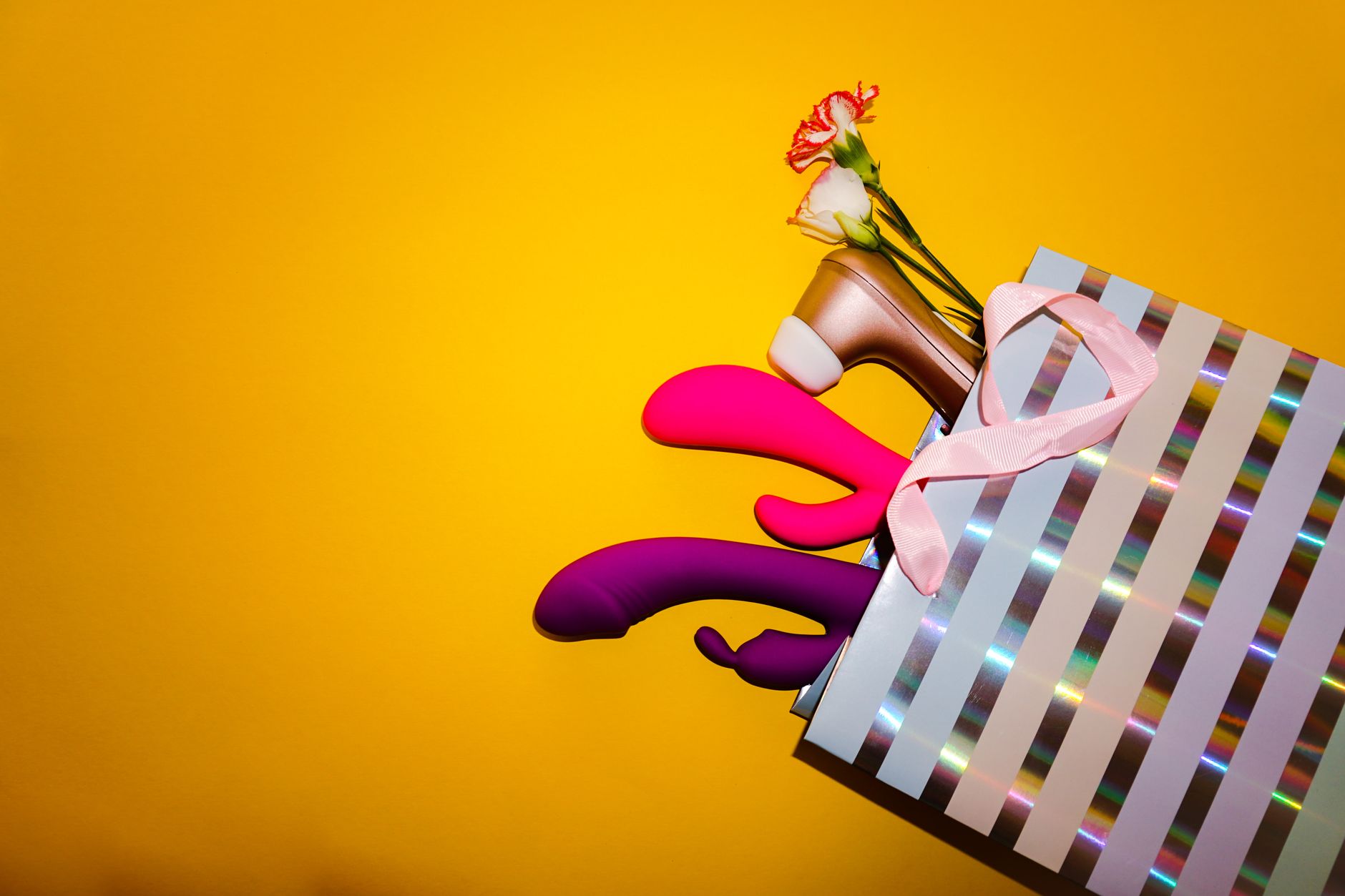
Does a lemon clitoral vibrator feel different after menopause?
Yes. And no. Here's the thing: the sensation doesn't disappear, but it does shift. Estrogen drops, tissue thins slightly, and arousal takes longer to build. But your capacity for intense pleasure remains intact. Many people report that their most satisfying experiences with clitoral vibrators come after menopause, once they stop waiting for their body to behave like it did at thirty.
I've worked with hundreds of people navigating this transition, and the pattern is clear. The physical changes are real. The narrative that "it's all downhill" is fiction.
What estrogen actually controls
Estrogen doesn't create pleasure. It creates the conditions for quick arousal and thick, well-lubricated tissue. When estrogen drops, those conditions shift. Tissue becomes thinner and more delicate. Arousal takes 15 to 25 minutes instead of five. Natural lubrication decreases significantly.
But here's what doesn't change: the clitoral nerve network that fires when a lemon vibrator makes contact. The brain's reward pathways. Your orgasm capacity. The physical anatomy of pleasure itself.
Think of it like this. Estrogen was the amplifier turned up loud. Now the amplifier is quieter, but the instrument still works.
Why a lemon vibrator might feel less intense (and why that's fixable)
Three reasons tissue sensitivity seems to drop after menopause:
1. Thinner tissue has less cushion. A lemon vibrator's suction and pulsing patterns feel the same in terms of vibration frequency. But thinner tissue means direct contact with nerve endings, which can feel sharp instead of rounded. This isn't a loss of sensation. It's a change in how sensation translates.
2. Arousal takes longer. The clitoral structures need time to engorge and prepare. When you're used to being ready in five minutes, twenty minutes feels like your body isn't responding. It is responding. It's just running on a different timeline.
3. Hormonal context matters. Estrogen was sending constant background signals to your nervous system. Without that ambient signal, you might feel less "present" in your body during sex. That's a brain thing, not a sensation thing, and it's highly reversible with attention and time.
How lemon clitoral vibrators actually work better for post-menopausal bodies
Here's where it gets interesting. Traditional vibrators rely on intense friction and direct pressure. That works fine when tissue is thick and can handle sustained contact. After menopause, many people find that friction feels too sharp or even irritating.
Air-pulse lemon vibrators work differently. Instead of vibrating against tissue, they create gentle suction that stimulates the entire clitoral structure, not just the surface. For people with thinner tissue post-menopause, this is often a game-changer. You get intense sensation without the friction. The pattern is the same whether you're twenty-five or fifty-five, but the experience becomes more comfortable and often more satisfying.
If you've never tried an air-pulse lemon vibrator, this might be the moment. The technology was designed to deliver sensation without relying on tissue thickness or rapid arousal response.
The role of lube in the post-menopausal experience
Water-based lubricant changes everything. I don't say this as a soft suggestion. I say it as someone who's seen people go from "I don't feel anything" to "this is incredible" by adding one variable.
Lube serves two purposes post-menopause. First, it replaces what your body no longer produces automatically. Second, it changes how a lemon vibrator feels. With adequate lubrication, sensation becomes smoother and less sharp. The vibrator glides instead of catching. Contact feels warm and pleasant instead of intrusive.
Use water-based lube. Silicone lube is richer but can damage silicone toys, and most quality lemon adult toys are silicone. Reapply every few minutes. Your tissue will thank you, and the experience will transform.
Warm-up time is not optional
One of the biggest mistakes I see is people expecting their arousal response to match their pre-menopausal timeline. It won't. And that's not a failure.
Budget 15 to 25 minutes for arousal before using any vibrator. Spend that time on sensation, not penetration. Touch your breasts, your neck, your thighs. Read erotica. Watch something that turns you on. This isn't foreplay in the traditional sense. It's permission to let your nervous system activate at its actual speed.
Once you've spent that time, your clitoris will have engulfed with blood, tissue will be more receptive, and a lemon vibrator will feel completely different than it would have at minute three.
Pelvic floor strength changes too
Estrogen supports pelvic floor muscle tone. After menopause, that support drops. The good news: pelvic floor strength is trainable at any age, and it directly affects how vibration feels and how intense your orgasms become.
Kegel exercises help, but they're only half the story. You also need to practice full relaxation. Many people tense their pelvic floor during arousal out of habit. Post-menopause, that tension can actually reduce sensation and block orgasm.
Try this: before using a lemon vibrator, spend two minutes deliberately relaxing your pelvic floor. Breathe into your lower belly. Let your pelvic muscles release. Then when you use the vibrator, notice the difference. Relaxed tissue responds more openly to stimulation.
When to see a doctor (and when lube and time won't fix it)
If you experience pain during sex or masturbation, that's a signal to see a menopause-informed doctor or gynecologist. Genitourinary syndrome of menopause (GSM) is treatable, often with topical estrogen creams that have minimal systemic absorption. You can apply cream, wait ten minutes, and then use a lemon vibrator with comfort.
If you're interested in exploring testosterone therapy, that conversation is worth having with a menopause specialist. Testosterone directly affects clitoral sensitivity and desire. It's prescribed more conservatively in the US than in other countries, but it's available and can be life-changing.
The point: physical changes don't mean the end of pleasure. They mean the beginning of understanding what you actually need.
Your sensitivity is probably higher than you think
One of the cruelest myths about menopause is that desire and sensation fade. I'm going to be direct: that's not biology. That's the intersection of hormonal change, relationship neglect, unrealistic expectations, and a culture that treats post-menopausal women as asexual.
Most people I work with who report "I don't feel anything anymore" are actually experiencing a mismatch between their pre-menopausal expectations and their current physiological reality. They expect a five-minute orgasm. Their body now delivers a twelve-minute orgasm that takes twenty minutes to build. Then they conclude it's broken.
It's not. It's different. And often, once people adjust their timeline and expectations, they discover that sensation is actually more refined and intense, not less.
The Lem vibrator, for example, works particularly well post-menopause because the suction design doesn't depend on tissue thickness or rapid arousal. You can start it early in your warm-up, let it run while you're still building arousal, and the sensation actually deepens as your body becomes more receptive.
FAQ: Common questions about menopause, sensation, and lemon vibrators
Do lemon clitoral vibrators work the same way after menopause?
The vibrator works the same way. Your body's response is different. Tissue is more delicate, arousal takes longer, and natural lubrication is reduced. But the clitoral nerve network is unchanged. Air-pulse lemon vibrators often become more comfortable and effective post-menopause because they don't rely on friction.
How long should warm-up take?
At least 15 minutes, and often 20 to 25. This isn't a decline in sexual response. It's a normal shift in how your nervous system activates. Many people find that this longer build-up leads to more intense orgasms than they experienced before.
Is lube always necessary after menopause?
Not always, but almost always. Natural lubrication decreases significantly. Water-based lube changes the entire experience, making sensation smoother and more comfortable. It's not a sign of dysfunction. It's a practical tool that lets your body work the way it wants to.
Will hormone replacement therapy restore pre-menopausal sensation?
HRT can help with arousal speed and lubrication if you use systemic estrogen. But sensation itself doesn't "return" to pre-menopausal levels because your nervous system has adapted. Many people on HRT still report that sensation feels different, even if arousal is faster. That difference is often an improvement, not a loss.
Can I use the same vibration patterns I used before?
Maybe. Start lower than you think you need. If you used intensity level 5 before, try starting at 2 or 3. Many people find that post-menopausal sensitivity is actually more refined. Lower intensities that felt boring before now feel perfect. You might increase intensity later in your session as arousal builds.
Is painful sensation after menopause normal?
Discomfort is not normal, even though it's common. If you experience pain, see a doctor. GSM is treatable, and you don't have to live with it. Topical estrogen, vaginal moisturizers, and good lubrication solve it for most people within weeks.
The shift is not an ending
Menopause changes the logistics of pleasure. It doesn't end pleasure. The tools you use, the time you invest, and the expectations you hold matter far more than hormones do. Many people I work with describe their post-menopausal sexual life as the most satisfying of their lives, once they stop comparing it to their twenties and start paying attention to what actually feels good now.
A lemon vibrator doesn't care if you're forty or sixty. Your tissue, your timeline, your nervous system, and your partner (if you have one) all matter. Adjust for those, and sensation becomes not just functional but genuinely excellent.
If you have questions about what works for your body or want to explore options, we're here to help. Reach out to our team at Hello Nancy, or send us a note at our contact page.