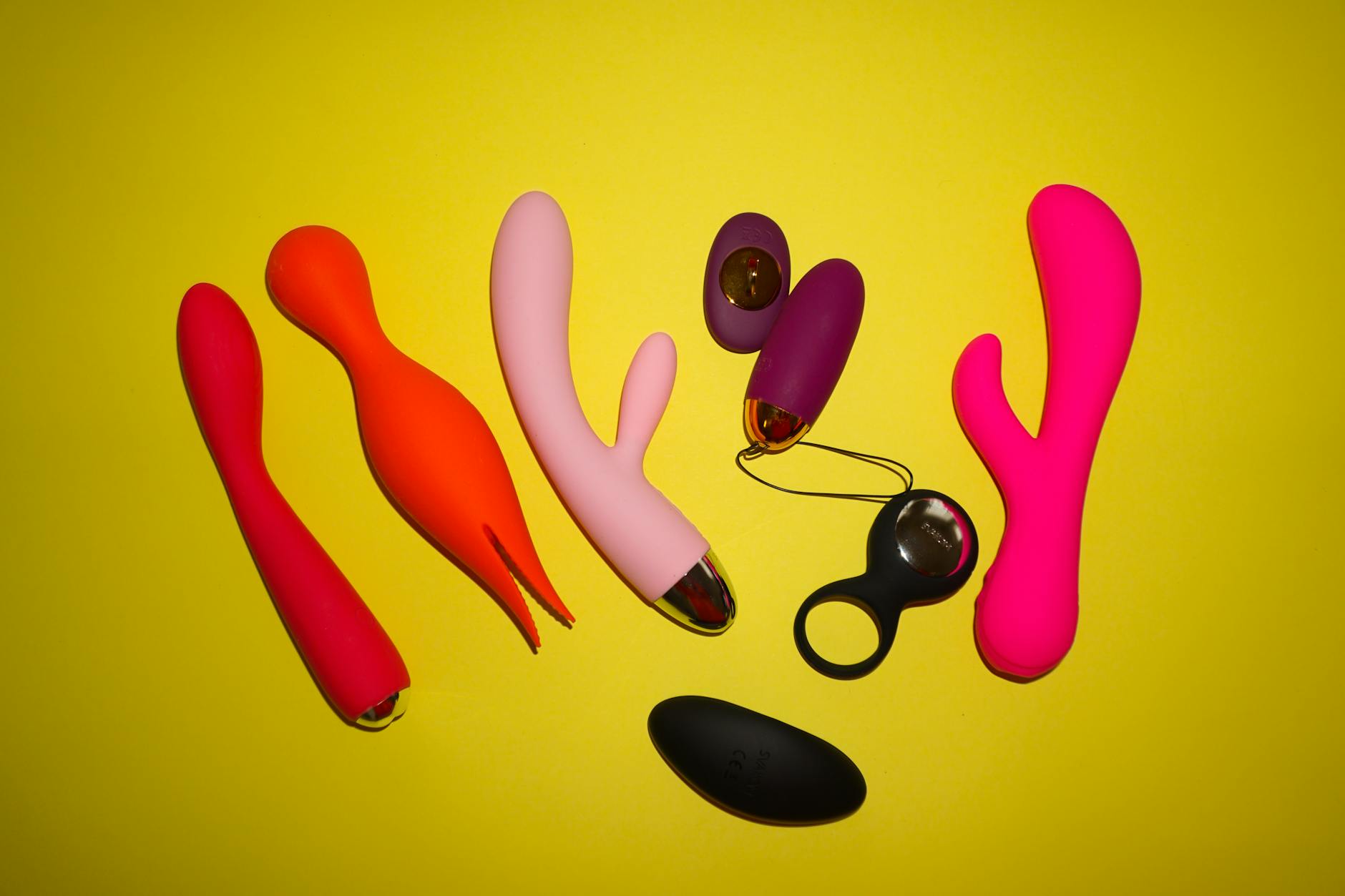
The question nobody explains clearly
Honestly though, pregnancy and pleasure feel like a conversation someone forgot to have with us. You're told to avoid alcohol, sushi, and certain medications. Nobody mentions what happens to sexual desire, whether a lemon vibrator is safe, or how your body's response might shift over nine months. That gap in information leaves a lot of people worried they're doing something wrong when they're actually doing something completely fine.
The good news: yes, you can use clitoral vibrators during pregnancy. The real news: some things are safer than others, and what works in your first trimester might need adjusting by month seven. Here's what actually matters.
What the research actually says
You'll find conflicting advice online because gynecologists don't really talk about this stuff in clinical trials. There aren't many peer-reviewed studies on vibrator use during pregnancy, which means guidance gets left to individual doctor judgment. But the underlying science is clear. Orgasms during pregnancy are safe. Uterine contractions from climax are not the same as labor contractions. Vibrators don't introduce bacteria or cause miscarriage.
What does vary by trimester is comfort, sensation, and what your body can handle. Blood flow to the vulva increases during pregnancy, which can make clitoral vibrators feel more intense. Ligaments soften. Your center of gravity shifts. These are all things a lemon vibrator experience needs to account for.
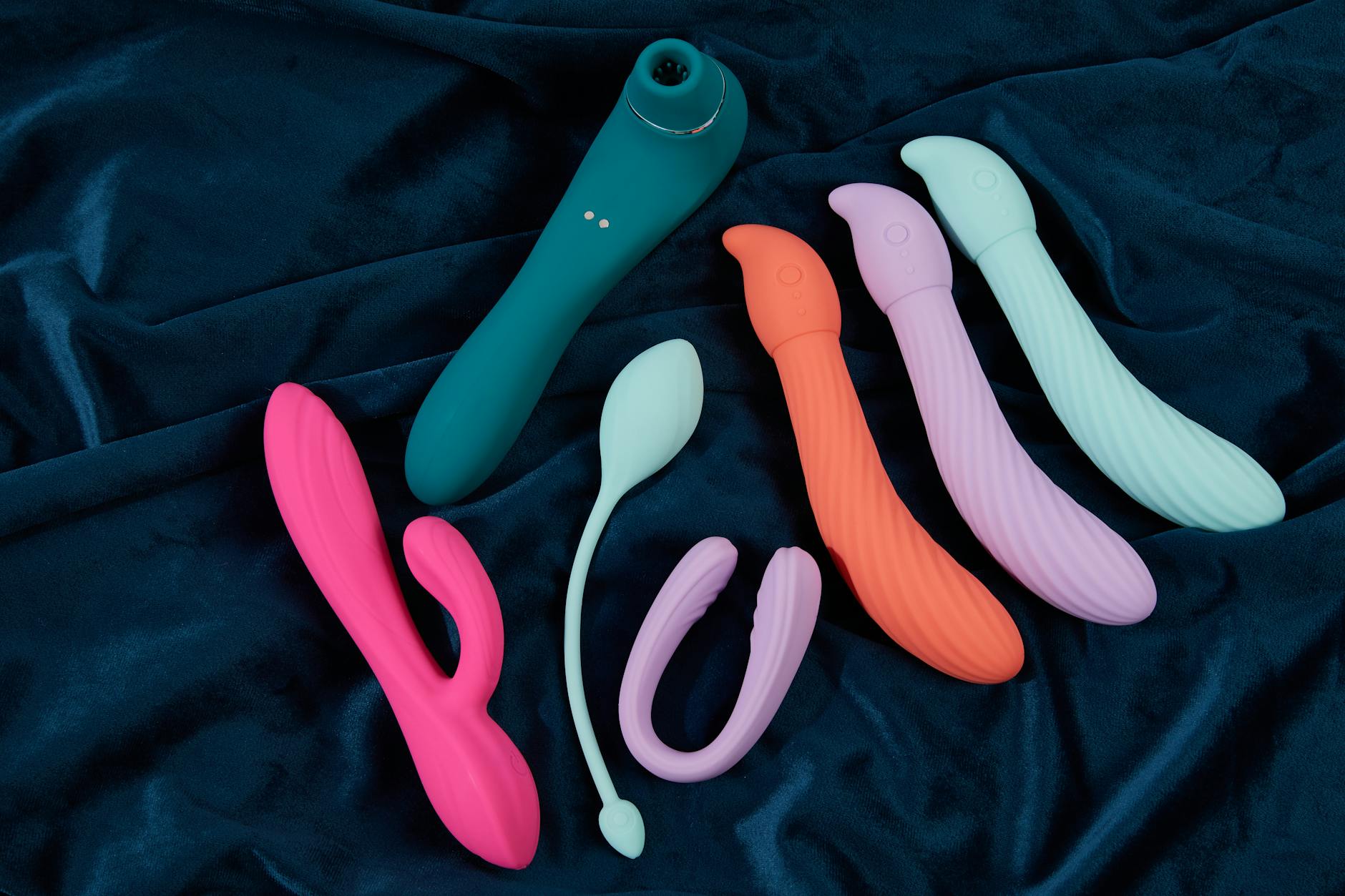
Photo by IFONNX Toys on Pexels
The first trimester: what's different
Early pregnancy often brings fatigue that makes pleasure feel like one more thing on a to-do list. But some people experience heightened sensitivity and a surge in desire. The clitoral vibrator experience can feel different because hormones are flooding your system and blood volume is increasing.
During these first three months, most lemon vibrators are fine to use. An air-pulse device like the Lem works well because it doesn't rely on deep penetration or vigorous motion. Start at lower intensity settings. Your body might need less stimulation to reach orgasm, which is actually fine. Don't interpret it as weakness. Interpret it as efficiency.
One thing to skip: anything that feels abdominal. If you're using a wand vibrator and notice pressure in your belly afterward, ease back. Some people find traditional vibrators with high-frequency buzz work better than others during pregnancy. The range matters more than ever.
The second trimester: the sweet spot
Most people find months four through six are when pleasure feels most accessible. Nausea often fades. Energy returns. Breast sensitivity might still be high, but vulvular sensitivity is often at its peak. Blood flow is rich. Sexual desire frequently increases during this window.
This is when you might actually enjoy using a clitoral vibrator more than before pregnancy. The Lem or other air-suction devices feel generous to many pregnant people because they don't require positioning that puts weight on your belly. You have more flexibility in how you use them because your body isn't as fatigued as it was in month one or as limited as it will be in month nine.
One note on sensation: pregnancy hormones change how your nervous system responds. A pattern that felt perfect pre-pregnancy might feel overwhelming now. You might need to start at level one instead of level three. That's not a change in your capacity. It's a change in your body's current baseline.
The third trimester: safety and comfort matter most
By month seven, your body is making room. Your center of gravity shifts. Lying on your back gets uncomfortable. The round ligament pain that some pregnant people experience can make certain movements feel sharp or pulling. This is when vibrator use needs the most care.
You can still use a lemon vibrator, but positioning becomes crucial. You might need to recline differently, use more pillows, or stick to patterns that don't require you to hold your body in a specific way. Air-pulse vibrators tend to feel better than high-frequency ones because they don't create the same kind of sustained pressure. A device designed for external clitoral stimulation, like the Lem, is safer than anything that involves internal pressure or depth.
Some people also find that orgasms closer to labor can feel a bit different, more like the uterus is tightening in a way that feels productive. That's normal and fine. Braxton-Hicks contractions (the practice contractions your body makes before labor) are not triggered by orgasms from vibrator use, but they might happen around the same time and feel connected. They're not connected.
What you should actually avoid
A few hard rules. Don't use anything penetrative or anything that creates deep pressure on the abdomen. Skip toys that require you to lie flat on your back for extended periods. Avoid anything with sharp textures or rough seams. Keep it clean like you always would, but be a bit more careful because your immune system is working overtime on pregnancy.
If you're experiencing signs of preterm labor (regular contractions, bleeding, fluid leakage), skip vibrator use entirely until you've talked to your doctor. If you have placenta previa or other high-risk pregnancy complications, ask your OB or midwife specifically about vibrator safety. Those situations are individual, and your care team knows your case.
One thing that's actually more important than the vibrator itself: the lube you use. Water-based is safest. Avoid anything with glycerin or nonoxynol-9 (spermicide), which can change your vaginal pH and increase infection risk during pregnancy when your body is already more susceptible.
The emotional side that nobody talks about
Pregnancy changes desire in ways that aren't just physical. You might feel less sexual because your body feels unfamiliar. You might feel more sexual because you're celebrating what your body is doing. You might cycle between both feelings on the same day. A lemon vibrator can be part of reconnecting with that pleasure, but it's not the whole conversation.
If you're partnered, solo pleasure can actually ease some of the weirdness that pregnancy introduces into shared intimacy. Your partner doesn't have to do anything. You're not negotiating positioning when you're using a vibrator designed for your current body. You're just reclaiming something that's yours. That matters more emotionally than it might seem.
Some people find that using a clitoral vibrator during pregnancy helps them feel less disconnected from their sexual self. Others find it feels complicated or intrusive. Both are fine. Pleasure isn't mandatory. But knowing it's safe and available if you want it? That's useful information.
When to talk to your doctor
Bring up vibrator use at your next prenatal visit if you have any of the following: a high-risk pregnancy, bleeding at any point, placenta previa, incompetent cervix, or a history of preterm labor. Your OB or midwife will give you guidance specific to your situation. Most of the time, the answer is a straightforward yes. Sometimes it comes with conditions. That's information you deserve before you make decisions.
You don't need to feel awkward mentioning it. Your healthcare provider has heard this question. They care about your sexual health during pregnancy as much as they care about your blood pressure.
FAQ: Your pregnancy and vibrator questions answered
Can orgasms cause miscarriage?
No. Orgasms do not cause miscarriage. The contractions your uterus makes during climax are not labor contractions. They're localized, brief, and completely different from the sustained, rhythmic contractions of actual labor. If a pregnancy is viable, an orgasm won't end it. If a pregnancy is not viable, an orgasm didn't cause that outcome. The anxiety around this is widespread but not supported by evidence.
Will vibrator use affect my baby?
No. Your baby is floating in amniotic fluid, surrounded by the uterine wall and abdominal muscles. Vibration from an external clitoral vibrator does not reach your baby. The Lem or any air-pulse device works on the vulva and clitoris, not deeper internally. Your baby is completely unaffected by your orgasms or by the vibrator itself.
Is it safe to use a lemon vibrator if I have gestational diabetes?
Yes, vibrator use is not affected by gestational diabetes. Your pregnancy is managed through diet, monitoring, and sometimes insulin. Sexual pleasure and clitoral vibrator use don't interfere with that management. That said, if gestational diabetes is part of a high-risk pregnancy picture, ask your OB about any specific restrictions on physical activity or sexual expression. Usually there aren't any, but your specific situation matters.
Can I use a vibrator during the third trimester?
Yes, with positioning care. You might need more pillows, a reclined position instead of lying flat, or shorter sessions because holding any position becomes uncomfortable. Some people find that the patterns they loved pre-pregnancy feel too intense now. That's normal. Start at lower settings. You can always increase. You can't un-do overstimulation.
What if I experience cramping or contractions after using a vibrator?
Braxton-Hicks contractions can happen during or after sexual activity, and they can happen for no reason at all. They're practice contractions, not labor. If they're painful, regular (coming at predictable intervals), or accompanied by bleeding or fluid leakage, contact your healthcare provider. If they're just tight sensations that pass within a few minutes, you're fine. The distinction matters for peace of mind.
Is it safer to use a vibrator in some trimesters over others?
The second trimester is usually the sweet spot. The first trimester brings fatigue and nausea that might make pleasure feel difficult. The third trimester brings positioning challenges and physical discomfort. But "safer" isn't the right frame. In all three trimesters, clitoral vibrator use is safe if you're having a low-risk pregnancy. Comfort and practical ease vary more than safety does.
Your body, your choice
Pregnancy is a season of your life, not a pause on sexuality or pleasure. Using a lemon vibrator during pregnancy is safe. Your orgasms are safe. Your desire matters. The fact that information about this is hard to find doesn't mean you're doing something wrong. It means the conversation hasn't caught up to the reality of pregnant people's lives.
If you have a high-risk pregnancy or complications, that conversation with your doctor matters more. But for most pregnant people navigating a straightforward pregnancy, the Lem and other clitoral vibrators are tools that can help you stay connected to your pleasure when so much of your body is being taken up by something else. That's not frivolous. It's a small piece of self-care that actually belongs to you.
Have questions about what's right for your body right now? We're always here to help. Reach out at Hello Nancy, and we can talk through what matters for your situation.